
September 19, 2026
Prostate-Specific Antigen (PSA) Blood Test Results
Understanding your Prostate-Specific Antigen (PSA) blood test results is crucial for prosta...

SCAB Pharmacy


Chronic liver disease represents a significant public health challenge in Ghana, impacting numerous individuals and their families, particularly those with chronic conditions leading to liver fibrosis. This article aims to provide a comprehensive understanding of chronic liver disease, exploring its causes, common symptoms, progression to cirrhosis, and available treatment options within the Ghanaian healthcare system. By shedding light on this serious condition, we hope to empower readers with knowledge to promote better liver health outcomes.
Your liver, a vital and resilient organ, performs hundreds of essential functions, including detoxification and metabolism. When healthcare providers refer to chronic liver disease, they typically mean a progressive condition that causes damage to your liver over an extended period. While the liver possesses remarkable regenerative powers, sustained strain from viral infections, toxic exposure, or metabolic conditions can overwhelm its capacity to repair itself, eventually leading to impaired function. Liver diseases encompass a wide spectrum of disorders characterized by hepatocyte injury, inflammatory cell infiltration, and eventual fibrosis, cumulatively disrupting its architecture and function. While acute liver diseases often stem from hepatotropic virus infections or drug-induced liver injury, chronic conditions predominantly arise from factors such as alcohol consumption, chronic hepatitis B virus (HBV) and hepatitis C virus (HCV) infections, and a growing incidence of metabolic dysfunction-associated steatotic liver disease (MASLD).
The prevalence of chronic liver disease in Ghana is a pressing health concern, with various factors contributing to its widespread impact on patients with chronic conditions leading to liver fibrosis and cirrhosis. Recent data from the World Health Organization and local health authorities indicate a significant burden of these conditions across the country. Understanding this prevalence is crucial for developing targeted public health strategies and improving patient outcomes. The challenge lies in the often silent progression of many liver diseases, with individuals presenting for diagnosis only at advanced stages, which complicates effective treatment and management. This situation underscores the critical need for increased awareness, early detection programs, and accessible healthcare interventions to mitigate the escalating impact of chronic liver disease on the Ghanaian population.
Chronic liver disease in Ghana is primarily driven by several key factors. These include:
Over time, this accumulation of fat can lead to inflammation and damage, ultimately causing chronic liver disease. Long-term diabetes is another contributing cause due to its association with fat accumulation in the liver. Less common but equally severe causes include primary biliary cirrhosis, primary sclerosing cholangitis, and autoimmune liver disease, all of which represent complex conditions requiring specialized diagnosis and management.
Chronic liver disease often presents a significant challenge in early diagnosis due to its subtle onset. Initially, many patients with liver disease may experience no noticeable symptoms, as the liver’s remarkable compensatory capacity allows it to function adequately even with considerable damage. When symptoms do emerge in the early stages, they tend to be vague and nonspecific, frequently mistaken for other common ailments. These early signs might include a general feeling of fatigue and malaise, upper abdominal discomfort, or a slight loss of appetite. Conditions such as acute viral hepatitis, early-stage chronic viral hepatitis, or metabolic dysfunction-associated steatotic liver disease (MASLD) often manifest with these mild, non-alarming symptoms, making early detection and intervention difficult in Ghana.
As liver disease progresses to its intermediate stages, the previously mild and intermittent symptoms become more pronounced, significantly impacting a patient’s daily life and overall well-being. Individuals with chronic viral hepatitis, for instance, may experience persistent fatigue, episodes of jaundice, and increasingly severe right upper quadrant pain, often accompanied by a general feeling of being unwell and mild hepatomegaly. The chronic inflammation and damage steadily impair liver function, leading to a noticeable decline in energy levels and capacity for physical activity. This ongoing struggle with symptoms can disrupt work, social engagement, and personal routines, underscoring the severe impact of the disease progression on the quality of life for affected Ghanaians.
In the advanced stages of chronic liver disease, as liver function severely declines, patients often experience a range of more distinct and severe symptoms, indicating significant damage and potential complications. Other manifestations can include:
One of the early signs of declining liver function is impaired bile flow, leading to specific symptoms like jaundice, characterized by a yellow tint to the skin and eyes, dark urine, and light-colored stools, underscoring the critical need for timely intervention and management to mitigate the progression to liver failure.
The progression of chronic liver disease to cirrhosis involves several distinct stages, each marked by increasing damage to the liver. Initially, the liver undergoes hepatitis, an inflammation response attempting to heal and clear infections. If this inflammation becomes chronic, it triggers hyperactive healing, leading to scarring. This scarring then advances to fibrosis, where thin bands of scar tissue accumulate, gradually stiffening the liver and impeding blood flow, which can culminate in end-stage liver disease. Some fibrosis can be reversible if the damage is halted. However, if the damage continues, it progresses to cirrhosis, a severe and permanent scarring stage where the liver can no longer effectively regenerate healthy cells, though further damage can still be slowed. The final stage is liver failure, also known as decompensated cirrhosis, where the liver’s function is critically compromised, unable to meet the body’s demands.
Cirrhosis can lead to a host of severe health complications, significantly impacting a patient’s well-being and increasing the risk of acute liver failure. A common issue is portal hypertension, where scarring compresses the portal vein, leading to elevated blood pressure within it. This high pressure diverts blood to other veins, causing them to enlarge and become fragile, such as varices in the esophagus and stomach, which can rupture and cause life-threatening internal bleeding. Other significant complications include:
Diagnosing cirrhosis in Ghana presents unique challenges, often delaying effective treatment and impacting patient prognosis. A significant obstacle is the often silent nature of early-stage liver disease, meaning many patients do not experience noticeable symptoms until the condition is advanced. This lack of early signs, combined with limited access to sophisticated diagnostic tools in some regions, means that cirrhosis is frequently diagnosed at later stages when complications have already developed. Furthermore, awareness of chronic liver disease and its progression to cirrhosis can be low among the general populace and sometimes even healthcare providers, contributing to delayed presentation and recommendations for timely intervention. These factors underscore the urgent need for enhanced public health education, improved access to diagnostic services, and continuous training for healthcare professionals to facilitate earlier diagnosis and better management of this debilitating condition in Ghana.
The diagnosis of chronic liver disease typically begins with a thorough physical examination by a healthcare provider, who will inquire about symptoms, lifestyle, and medical history, alongside liver function tests. Various diagnostic methods and techniques are then employed to confirm the presence of liver disease and assess its severity. Blood tests, particularly a comprehensive liver function panel, are crucial, as they measure liver enzymes, proteins, and bilirubin levels, providing insights into liver health and potential damage, especially in patients with chronic liver disease. Imaging tests, such as abdominal ultrasound, CT scans, and MRI, are also vital, revealing the liver’s size, shape, texture, and any signs of inflammation, swelling, or fibrosis. Specialized imaging like elastography further helps quantify liver stiffness, an indicator of fibrosis. In some cases, endoscopy might be used to visualize the biliary tract, or nuclear medicine imaging to assess liver function by tracking radioactive tracers, ensuring a comprehensive evaluation for the patient.
A liver biopsy plays a critical role in the definitive diagnosis and staging of many chronic liver diseases, including the assessment of liver fibrosis. This minor procedure involves taking a small tissue sample from the liver, typically using a hollow needle, which is then sent to a laboratory for detailed analysis. The primary purpose of a liver biopsy is to accurately identify the specific type of liver disease, determine the extent of damage, assess the severity of fibrosis, and confirm the presence of cirrhosis or hepatocellular carcinoma. Liver histology, the microscopic examination of the tissue, provides invaluable information that other diagnostic methods might miss, offering crucial insights for guiding treatment strategies and predicting the prognosis for the patient. Despite its invasive nature, a liver biopsy remains an indispensable tool for diagnosing complex liver conditions, including autoimmune liver disease and certain types of fatty liver disease, which can lead to liver fibrosis.
Early diagnosis is paramount in the effective management and treatment of chronic liver disease, significantly impacting patient outcomes and potentially preventing progression to irreversible damage like cirrhosis. Detecting liver disease in its initial stages allows for timely intervention, such as lifestyle modifications, antiviral therapies for chronic hepatitis B or C, or managing underlying conditions like non-alcoholic fatty liver disease (NAFLD). This early recognition enables healthcare providers to implement strategies that can slow or even halt the disease’s progression, thereby preserving liver function and averting severe complications. Unfortunately, the insidious nature of many liver diseases, with often subtle or absent early symptoms, means that a significant number of individuals in Ghana are diagnosed only when the disease is advanced. Therefore, raising awareness and promoting regular health screenings are crucial steps towards improving early detection rates and improving the overall prognosis for patients affected by chronic liver disease.
For individuals in Ghana grappling with chronic viral hepatitis, specifically hepatitis B or hepatitis C, antiviral therapies are a cornerstone of treatment to prevent the disease from worsening. These specific medical treatments target the underlying viral infection, aiming to reduce viral load and minimize ongoing liver damage. By effectively suppressing the virus, these therapies can significantly slow the progression of liver disease, reduce inflammation, and, in some cases, even prevent the development of more severe conditions like cirrhosis or liver cancer. Access to these critical antiviral treatments within Ghana’s healthcare system is vital for improving patient outcomes and alleviating the burden of chronic liver disease.
In many instances, adopting significant lifestyle modifications serves as the primary treatment strategy for managing chronic liver disease, particularly those linked to excess fat storage, alcohol consumption, or other toxins. Reducing the overall toxic load on the liver is paramount. This involves maintaining a healthy diet emphasizing whole foods, abundant plants, and lean protein, which aids in the liver’s detoxification processes. Achieving and maintaining a healthy body mass index (BMI) through balanced nutrition and regular exercise is also highly beneficial. Crucially, avoiding alcohol, tobacco, and nonprescription drug use protects the liver from further damage. Taking medications only as directed and discussing all new medications with a healthcare provider prevents additional liver strain and supports liver regeneration. Practicing good hygiene and safe sex can prevent infections, reducing the burden on the liver, while consistent healthcare appointments and regular screenings help catch complications early, significantly improving prognosis.
When chronic liver disease progresses to cirrhosis or liver failure, additional treatments become necessary to manage severe complications such as portal hypertension or hepatocellular carcinoma. In cases of advanced liver damage where the liver cannot recover, a liver transplant may eventually be the only curative option, replacing the damaged liver with a healthy one, especially for patients with end-stage liver disease. This life-saving procedure is typically advised when the risk of serious complications and death is high. For patients experiencing fluid accumulation in the abdomen, known as ascites, management involves a low-sodium diet, diuretic medications, and, if needed, paracentesis—a procedure to remove the fluid with a needle. These interventions aim to alleviate symptoms and improve the patient’s quality of life.
Public health initiatives in Ghana play a crucial role in combating the rising prevalence of chronic liver disease. These strategies focus on widespread awareness campaigns to educate the population about the causes, symptoms, and prevention of liver damage, including the dangers of excessive alcohol consumption and the importance of addressing fatty liver disease. Furthermore, initiatives are geared towards improving access to early diagnosis and screening services across the country, aiming to identify at-risk individuals before the disease progresses to irreversible stages like cirrhosis. By fostering a greater understanding of liver health and promoting healthier lifestyle choices, these programs strive to reduce the overall burden of chronic liver disease and improve long-term health outcomes for all Ghanaians.
Vaccination programs against hepatitis B are a cornerstone of liver disease prevention in Ghana, offering a highly effective strategy to protect individuals from this significant cause of chronic liver damage. The hepatitis B vaccine is crucial in preventing chronic infection, which can otherwise lead to cirrhosis and hepatocellular carcinoma. These public health initiatives aim for widespread coverage, especially among newborns and vulnerable populations, to build herd immunity and drastically reduce the incidence of new infections. By actively participating in and supporting these vaccination efforts, individuals in Ghana can significantly reduce their risk of developing chronic hepatitis B, thereby safeguarding their liver health and preventing future complications.
Promoting liver health in Ghana also involves integrating culturally sensitive practices and adapting dietary habits to prevent liver fibrosis and cirrhosis. Traditional Ghanaian diets, often rich in whole grains, fruits, vegetables, and lean protein sources, can be naturally liver-friendly when prepared with minimal unhealthy fats and sugars. Emphasizing these beneficial aspects of local cuisine, such as consuming diverse plant-based foods for detoxification and avoiding excessive fried foods or processed snacks, can significantly contribute to preventing fatty liver disease. Education campaigns can leverage cultural influencers to advocate for reduced alcohol consumption and regular exercise, which are critical for maintaining a healthy liver. By aligning health messages with existing cultural norms, these strategies can effectively empower communities to make informed choices that protect their liver health.

Understanding your Prostate-Specific Antigen (PSA) blood test results is crucial for prosta...
SCAB Pharmacy
Thyroid Cancer Awareness Month serves as a crucial reminder for everyone, particularly in G...
SCAB Pharmacy
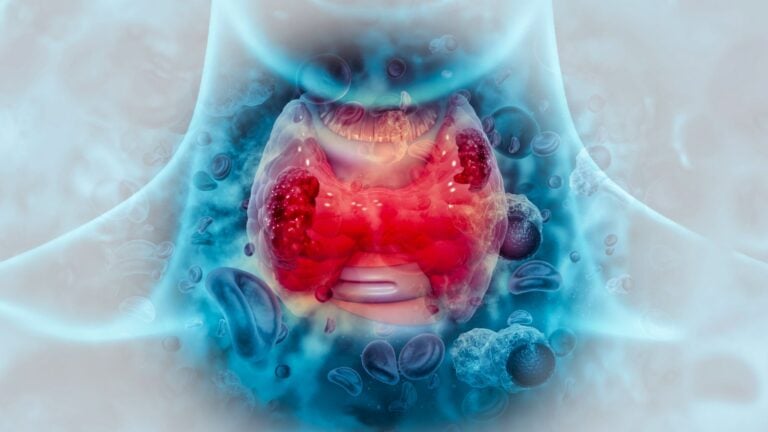
Taking proactive steps for your health is crucial, and understanding the necessary screenin...
SCAB Pharmacy

Do you have any questions? Do not hesitate to contact us.
