
April 9, 2026
Woman’s Eye Health: Your Guide to Understanding Eye Care
April is Women’s Eye Health & Safety Month, a time dedicated to raising awareness about...

SCAB Pharmacy

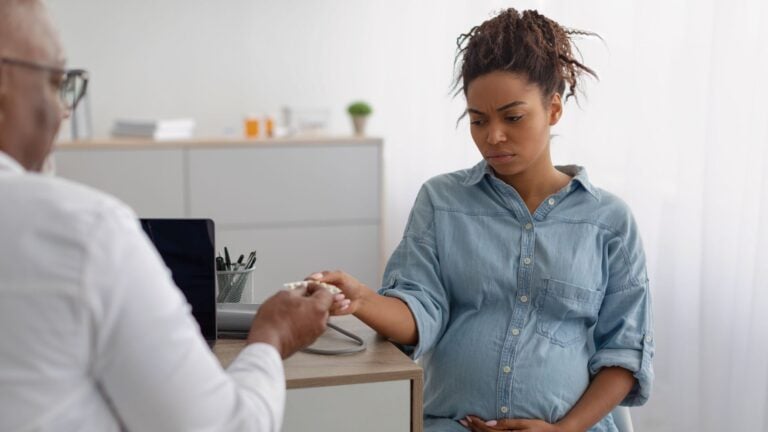
This article aims to shed light on blood pressure and hypertension in women, particularly within the Ghanaian context. Hypertension in women is a significant health concern, posing high risks to cardiovascular health and overall wellness. Understanding the prevalence of hypertension among women, its causes, and effective management strategies is crucial for promoting better health outcomes and improving the quality of life for women in Ghana. Early detection, proper care, and lifestyle modifications are key to preventing complications and ensuring a healthier future for Ghanaian women.
The prevalence of hypertension among women in Ghana is a serious concern, with studies showing significant variations across different regions. Research indicates that the prevalence of hypertension, defined as blood pressure at or above 140/90 mmHg, with or without antihypertensive treatment, ranges from 19% to 48% in various studies. The Women’s Health Study of Accra (WHSA) reported a notably high crude prevalence of hypertension at 54.6% among 1,303 women. These statistics highlight the urgent need for increased awareness, regular monitoring, and effective hypertension management strategies to improve health outcomes. Hypertension among women represents a high risk and must be addressed.
Several factors contribute to high blood pressure and the development of hypertension among women in Ghana. Older age, over-nutrition, and alcohol consumption are independently associated with increased hypertension risk. Studies have also demonstrated that the prevalence of hypertension increases with a higher body mass index. These factors emphasize the importance of promoting healthy lifestyle choices, including a balanced diet, regular exercise, and avoiding harmful substances. Addressing these contributing factors is essential for effective prevention and hypertension control.
Regional differences in hypertension rates exist across Ghana, impacting the prevalence of hypertension among women. Studies conducted between 1973 and 2008 in regions such as Greater Accra, Ashanti, Upper East, and Volta Regions reveal variations in hypertension prevalence. Notably, hypertension prevalence tends to be higher in urban populations compared to rural populations. In rural areas, a significant proportion still experiences hypertension, with prevalence rates of 24% or higher. These regional differences highlight the need for targeted interventions and healthcare strategies tailored to the specific needs and circumstances of each region to effectively manage hypertension among women.
Lifestyle choices significantly impact blood pressure and contribute to hypertension among women in Ghana. Factors such as older age, menopause before 50, lack of formal education, overweight or obesity, and urban residence are independently associated with systolic blood pressure or diastolic blood pressure. These factors increase the risk of hypertension. Conversely, completing at least six years of education, moderate alcohol consumption, and the timing of blood pressure measurement have been inversely associated with blood pressure. Promoting healthy lifestyle choices such as a balanced diet, regular exercise, and avoiding over-nutrition can effectively lower blood pressure and prevent hypertension. Effective blood pressure control is critical for maintaining cardiovascular health among women.
Socioeconomic factors and access to healthcare significantly impact hypertension in women in Ghana. A significant portion of the population lives within 30 minutes of a health facility. However, geographical access is better in urban areas compared to rural areas. Limited access to healthcare, coupled with socioeconomic challenges, affects women’s ability to seek routine check-ups and manage hypertension. The lack of resources and education can also hinder effective hypertension management. Improving healthcare access, promoting awareness, and addressing socioeconomic disparities are essential for better hypertension control. They also ensure that women receive the care they need for a healthier life and reduce the high risk to their health.
Cultural attitudes towards health and hypertension play a crucial role in women’s health practices in Ghana. Traditional beliefs and practices can influence how women with hypertension perceive and manage their condition. A lack of awareness about hypertension symptoms and complications may lead to delayed or inadequate healthcare seeking. Cultural norms may also affect women’s adherence to prescribed treatments and lifestyle modifications. Addressing cultural barriers and promoting health education are essential for improving hypertension in women. This includes encouraging women to prioritize their health, seek early detection, and adopt healthy lifestyle practices to avoid high blood pressure.
High blood pressure, especially hypertensive disorders during pregnancy, presents high risks for both the woman and the baby, which can harm their health. Hypertensive disorders, including chronic hypertension, gestational hypertension, pre-eclampsia, and eclampsia, significantly affect maternal, fetal, and neonatal health outcomes. These conditions are associated with maternal morbidity and mortality, such as stroke, organ damage, and even death. For the baby, hypertension in the mother can lead to preterm birth, low birth weight, and increased risk of newborn complications. Effective prenatal care and blood pressure control are vital to manage hypertension during pregnancy and improve the chances of a healthy outcome for both the mother and child. Early detection and management are critical for ensuring safety during pregnancy.
Hypertension, if left untreated, can lead to several severe complications affecting overall health. In Ghana, hypertension is a major cause of heart and renal failure, placing a significant burden on the health system. Prolonged high blood pressure damages the heart and blood vessels, leading to cardiovascular issues such as heart attacks and strokes. Additionally, uncontrolled hypertension can affect kidney function, potentially resulting in chronic kidney disease and eventual renal failure. Therefore, effective blood pressure control through lifestyle modifications and medication is essential for preventing these life-threatening complications and improving long-term health outcomes for women and men.
Untreated hypertension poses significant long-term health risks, particularly for women. Hypertension is a major risk factor for cardiovascular disease (CVD), with a considerable percentage of individuals experiencing a first heart attack, stroke, or heart failure having elevated blood pressure. Life expectancy can be significantly shorter for hypertensive women compared to normotensive women. Post-menopausal women face an elevated risk of sudden cardiac death. Therefore, managing hypertension through lifestyle changes and medication is essential to prevent high-risk health conditions, ensure better cardiovascular health, and improve the overall health and wellness of women and men. Early detection and treatment greatly reduce the risk of long-term complications and improve the quality of life. Blood pressure control is critical.
Early detection and regular blood pressure monitoring are paramount in the management of hypertension in women to prevent long-term harm. While there has been some improvement in awareness, many hypertensive individuals remain undiagnosed and untreated. The lack of awareness is a high risk factor, as uncontrolled hypertension can lead to severe cardiovascular complications. Routine blood pressure checks during prenatal care and general health visits can identify hypertension early, enabling timely intervention. Ambulatory blood pressure monitoring is a useful tool. Early detection significantly impacts the outcome for women by preventing long-term damage and improving their overall health. The failure of many subjects to be aware that they have hypertension and control their blood pressure after being treated needs addressing.
Lifestyle modifications play a vital role in blood pressure control and are often the first line of treatment for hypertension in women, especially during pregnancy-related hypertension. Several lifestyle adjustments can be beneficial, including:
These practices have proven to be effective in lowering blood pressure and reducing the high risk of cardiovascular complications. Maintaining a healthy lifestyle can significantly impact hypertension and often reduce or avoid the need for medication. Effective lifestyle changes promote better cardiovascular wellness and are crucial for women’s long-term health. Such practices should be implemented in the treatment of pregnancy-induced hypertension.
Medical treatments and interventions are essential when lifestyle modifications are insufficient to manage hypertension, especially in severe cases or during gestational hypertension. Guidelines recommend drug treatment for severe hypertension in pregnant women. Medications such as labetalol, methyldopa, and nifedipine are often prescribed, with caution advised when using beta-blockers or diuretics. For women with acute coronary syndrome, beta-blockers and ACEI/ARBs are the initial treatment options recommended by their doctor. The goal is to safely and effectively achieve target blood pressure levels through the control of hypertension. These treatments aim to mitigate high risks to maternal and fetal health. Effective management requires a careful balance to ensure safety and optimal health outcome.
Community awareness programs are crucial for hypertension prevention among women and men in Ghana. These programs should focus on educating the public about the causes and high risk of hypertension, the importance of early detection, and the benefits of lifestyle modifications. Leveraging opportunities such as the national health insurance scheme and health policies that emphasize health promotion is essential. By increasing awareness, more people can take proactive steps to lower their blood pressure and prevent hypertension. These hypertension prevention strategies help reduce the burden of hypertension and improve overall community health. This improves arterial hypertension awareness and wellness.
Encouraging regular health check-ups is essential for hypertension prevention and early detection, particularly for women. Regular monitoring of blood pressure, especially during contraceptive therapy, is crucial because oral contraceptives can sometimes lead to severe hypertension. Routine check-ups allow healthcare providers to identify hypertension early, monitor blood pressure trends, and provide timely interventions to prevent dangerous complications. Emphasizing the importance of these check-ups can help ensure that women receive appropriate care and manage their blood pressure effectively and that hypertension in adults and children is taken care of. Early diagnosis of hypertension is a practice that reduces maternal mortality and preeclampsia.
Empowering women in health decision-making is vital for promoting better health outcomes and hypertension prevention. This involves educating women about their health risks and encouraging them to take an active role in managing their health, including the control of hypertension. Multiple campaigns are aimed at educating women about hypertension and associated cardiovascular disease (CVD) risks, providing tips for prevention. Empowering women to seek prenatal care, adopt healthy lifestyle practices, and adhere to prescribed medications can significantly impact hypertension management. This approach promotes better overall health outcomes and reduces the high risk of hypertension-related complications among women with hypertension. The best way to treat hypertension is to know the effect of hypertension on the body and to treat it early.

April is Women’s Eye Health & Safety Month, a time dedicated to raising awareness about...
SCAB Pharmacy
Malaria in pregnancy poses significant health risks for both the mother and the developing ...
SCAB Pharmacy
Welcome to your comprehensive guide on how to protect your baby’s delicate skin durin...
SCAB Pharmacy
Do you have any questions? Do not hesitate to contact us.
