
March 13, 2026
World Sleep Day: Sleep Awareness, Health, and Importance
World Sleep Day is an annual event that emphasizes the need to adopt healthy sleep habits a...

SCAB Pharmacy


The harmattan season in West Africa presents unique health challenges. This article provides practical tips to manage the dusty, dry, and cold conditions, focusing on prevention, understanding common illnesses, and appropriate use of remedies to relieve symptoms, so you can make the best of the season.
The harmattan is a dry, dusty trade wind originating from the Sahara Desert that sweeps across West Africa, typically between November and March. This season is characterized by a noticeable drop in temperature, reduced visibility due to heavy dust, and extremely low humidity levels. Countries across West Africa experience its full impact during the harmattan period, making it a significant seasonal weather event.
The arrival of the harmattan season brings cooler mornings and hazy skies, but also poses various health challenges across West Africa. The dusty and dry air causes respiratory issues, dry skin, and eye irritation, affecting daily life in many ways. Understanding the impact of harmattan on human health is the first step to effectively prevent and manage harmattan-related health problems.
During the harmattan, the dusty air, filled with fine dust particles, can significantly irritate the respiratory system. The dust particles entering the respiratory system often lead to an increase in symptoms such as coughing, wheezing, and tightness in the chest. For individuals with asthma or other breathing difficulties, the dusty air can be particularly troublesome and cause additional lung problems.
Several common illnesses are frequently observed during the harmattan season. These include a range of conditions, such as:
Other common illnesses during this period are headache, catarrh, cough, and general dryness, and it’s important to be aware of these health challenges to take appropriate preventive measures.
Respiratory problems are a hallmark of the harmattan season, and it’s important to recognize the symptoms. During this time, common signs of respiratory issues include:
Other symptoms of breathing problems during the harmattan season might also include shortness of breath, frequent clearing of the throat, and a sore throat, which can be aggravated by dusty wind.
Certain populations are more vulnerable to harmattan illnesses. People with pre-existing respiratory conditions, such as asthma, are particularly susceptible to the irritating effects of the dusty and dry air. For those prone to allergies, the harmattan is like an uninvited guest. Infants, children, and the elderly are also at higher risk due to their less robust immune systems.
During the harmattan season, maintaining adequate hydration is paramount for overall health. The dry air has a dehydrating effect, making it essential to drink water frequently. Aim for 2000- 3000 ml of water a day, which will keep your body hydrated and help combat the drying effects of the weather. To further improve indoor humidity, consider placing bowls of water in your room or use a humidifier to add moisture to the air which can help ease breathing and alleviate harmattan-induced dryness.
To prevent respiratory issues, consider using a humidifier at home to combat the dryness caused by harmattan. wearing a face mask is a simple yet effective strategy. The harmattan dust is filled with fine dust particles, which can cause irritation in the respiratory system. Always wear a face mask when stepping outside to filter out dust and shield your airways from airborne particles. Wearing a face mask when going out during this period reduces dust inhalation and the risk of developing common illnesses linked to the dusty conditions.
A strong immune system is your best defense during the harmattan season. Stock up on immunity-boosting foods like citrus fruits, vegetables, and ginger, as these can help your body naturally fight off the effects of harmattan also affects respiratory health. By prioritizing nutrition and immune support, you can minimize the impact of the harmattan on your health and strengthen your body’s ability to fight off common illnesses, such as cold and flu, that tend to increase during the harmattan season.
Saline nasal sprays are a safe and natural way to relieve nasal congestion and dryness caused by the harmattan dust, acting as a natural moisturizer for your nasal passages. Saline irrigation helps to moisturize the nasal passages, clear out trapped dust particles, and reduce inflammation. Using saline solutions regularly can help prevent sinusitis and other respiratory infections, providing much-needed relief from harmattan-related symptoms.
For persistent allergy symptoms and discomfort, over-the-counter (OTC) treatments can offer relief. Decongestants and antihistamines are commonly used to treat nasal congestion, runny nose, and allergic reactions associated with the harmattan season. Before starting any medication, especially if you have underlying health issues, it’s advisable to consult with a healthcare provider to ensure safe and effective use. Consider taking herbal antihistamines after consulting your doctor to boost your immunity during the harmattan season.
During the harmattan season, both decongestants and saline solutions can be useful for managing nasal congestion, but they work in different ways. Decongestants work by narrowing the blood vessels in the nasal passages, which reduces swelling and congestion, thus relieving the symptom. Saline solutions, on the other hand, provide moisture and help clear nasal passages of dust and irritants without causing rebound congestion or any other unwanted side effect.
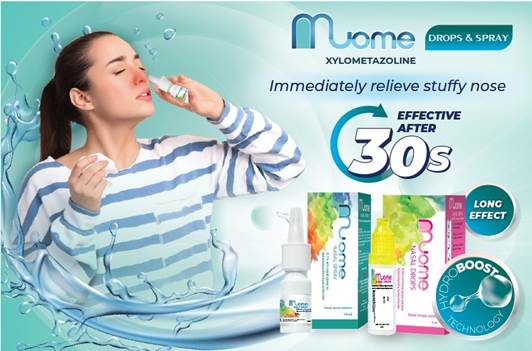
When the harmattan season hits, nasal congestion can be a frequent and frustrating symptom. Muome Nasal Drop offers a practical solution for those seeking relief. It’s an over-the-counter medication designed to alleviate nasal congestion, helping you breathe easier during the dry and dusty harmattan season. This nasal drop is formulated with active ingredients, providing targeted relief when you need it most and improving your respiratory health.
Muome Nasal Drop is indicated for the temporary relief of nasal congestion associated with colds, allergies, and sinusitis, common illnesses during the harmattan season. The recommended dosage for adults and children 6 years and older is typically 2–3 drops in each nostril every 8–12 hours to help alleviate discomfort from mucus buildup during harmattan. It’s important to carefully follow these dosage guidelines to ensure safe and effective use, combatting congestion and other related symptoms without overdoing it.
While Muome Nasal Drop can be a helpful remedy, it’s important to be aware of potential side effects and safety warnings, especially during the dry season when overuse can exacerbate dryness. Common side effects may include temporary nasal dryness, burning, or sneezing. Prolonged use of topical decongestants like oxymetazoline can lead to rebound congestion. It’s also important to note that this is a treatment for congestion and not a cure for underlying respiratory infections.
To use Muome Nasal Drop correctly, start by tilting your head back slightly. Then, apply 2–3 drops into each nostril, ensuring the dropper tip doesn’t touch your nose to prevent contamination, especially when the harmattan blows. Keep your head tilted for a few moments to allow the medication to spread throughout your nasal passages. This helps to ensure effective and safe relief during the harmattan season, when congestion from the dusty air is a frequent problem and a natural moisturizer can be beneficial.
For adults and children aged 6 years and older, the recommended dosage of Muome Nasal Drop is 2–3 drops in each nostril every 8–12 hours to help manage mucus during the harmattan season. It’s crucial not to exceed this dosage to avoid potential side effects. Children under 6 years should consult a doctor before use. Following these dosage guidelines ensures that you combat nasal congestion effectively during the harmattan season, promoting better respiratory health for both yourself and your family.
Using Muome Nasal Drop every day during the harmattan season is generally not recommended due to the risk of rebound congestion. Prolonged use can lead to a cycle where your nasal passages become more congested once the medication wears off. For persistent symptoms, it’s best to consult with a healthcare provider for alternative treatments and strategies to manage harmattan-related nasal issues safely.
It’s important to recognize when harmattan symptoms require medical attention. Experiencing severe symptoms like high fever, difficulty in breathing, persistent chest pain, or a severe allergic reaction should prompt immediate medical consultation. These could be signs of a more serious respiratory infection or another underlying health problem that needs prompt treatment. Understanding the difference between mild discomfort and severe symptoms is vital for your health during harmattan, which is characterized by dusty wind and dry air.
Timely medical attention can prevent harmattan-related illnesses from escalating. Ignoring severe symptoms or delaying treatment may lead to complications, especially for vulnerable individuals like children, the elderly, and those with pre-existing respiratory conditions. Seeking early intervention from a healthcare professional can prevent further spread of infection and ensure appropriate management of your respiratory health during the dusty and dry harmattan season.
The harmattan season presents unique health challenges, but with awareness and preparedness, you can protect yourself and your loved ones from its health risks. By staying hydrated, moisturizing your skin, and protecting your eyes and respiratory system during the harmattan season, you can reduce the health risks and be more comfortable. Staying proactive in managing your health during this dusty weather can help combat respiratory irritation.
Remember, pharmacists and doctors are valuable resources during the harmattan season, especially when dealing with the effects of dusty wind. They can provide personalized advice, recommend appropriate treatments, and help you manage persistent or worsening symptoms effectively. Don’t forget to consult a doctor if symptoms persist—early intervention can prevent complications. Utilize their expertise to improve your respiratory health and manage any harmattan-related illnesses effectively and safely.
During the harmattan season, prioritize proactive health management for yourself and your family. Be vigilant about preventive measures, recognize early signs of respiratory distress, and seek timely medical advice when needed. Above all, stay proactive—prevention is better than cure. Remember, a little care goes a long way in staying healthy during harmattan! With these tips, you’re well-equipped to navigate the season with confidence, ensuring a healthier and more comfortable harmattan experience.

World Sleep Day is an annual event that emphasizes the need to adopt healthy sleep habits a...
SCAB Pharmacy
The harmattan season in Ghana brings unique health challenges. This dry, dusty period, ofte...
SCAB Pharmacy

Welcome to your ultimate guide on navigating the harmattan season in Ghana with healthy, ra...
SCAB Pharmacy

Do you have any questions? Do not hesitate to contact us.
