
April 9, 2026
Woman’s Eye Health: Your Guide to Understanding Eye Care
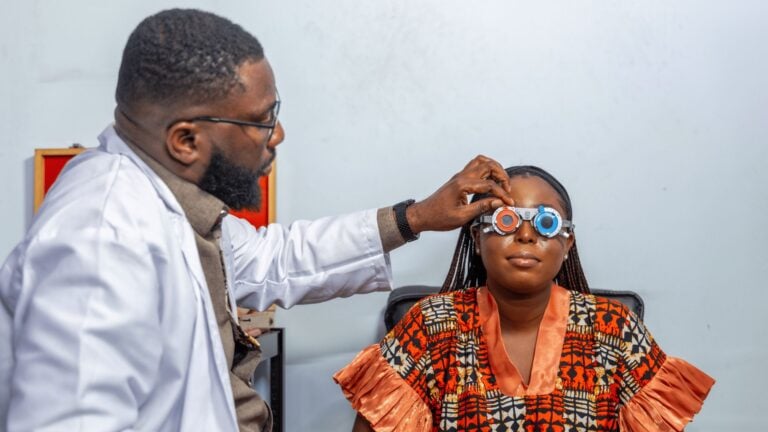
April is Women’s Eye Health & Safety Month, a time dedicated to raising awareness about...

SCAB Pharmacy

Monitoring your blood pressure at home is a vital step towards maintaining a healthy heart. With the right home blood pressure monitor, you can regularly check your blood pressure and gain valuable insights into your cardiovascular health and its effect on your overall well-being. This article serves as a guide to help you understand blood pressure measurements, choose the best device, and take accurate readings.
Blood pressure is the force of your blood pushing against the walls of your arteries. It is essential for your heart to pump blood effectively throughout your body, delivering oxygen and nutrients. Blood pressure measurements are a vital indicator of your cardiovascular health. Understanding blood pressure and how to measure it is the first step in managing your heart health and preventing hypertension. If you monitor your blood pressure, you can detect changes early, which is crucial for managing symptoms of hypertension.
Blood pressure readings are given as two numbers, such as 130/80. Both measurements are essential for a comprehensive understanding of your cardiovascular health and potential risks, especially in relation to blood pressure medication. The blood pressure measurement provides valuable data for your doctor to see if there is a problem.
| Measurement | Description |
|---|---|
| Systolic Pressure | Highest level your blood pressure reaches when your heart pumps blood. |
| Diastolic Pressure | Lowest level when your heart relaxes between heartbeats. |
Normal blood pressure is generally considered to be less than 120/80 mmHg. High blood pressure, or hypertension, is typically defined by the following readings:
| Measurement Location | Blood Pressure Reading (mmHg) |
|---|---|
| Healthcare Professional | Over 140/90 |
| At Home, you can monitor your blood pressure naturally to maintain a healthy range. | Over 135/85 is considered high and may be a symptom of hypertension that requires attention. |
Regular blood pressure checks and readings help monitor your heart health and prevent cardiovascular issues. Take time to use the monitor.
Measuring your blood pressure at home is essential because it’s the only way to know if you have high blood pressure. A home blood pressure monitor can confirm a diagnosis of hypertension. The American Heart Association recommends home monitoring for all people with high blood pressure. People who measure their blood pressure using a home device are more likely to control their blood pressure and improve heart health, especially when following the right guidelines. This can be achieved when combined with support from their health care team.
Early detection of hypertension is crucial, as more than 1 in 4 adults in the UK have high blood pressure. They are often unaware, increasing their risk of heart attack or stroke. Using a home blood pressure monitor allows for regular checks, helping to identify prehypertension and hypertension early. This early detection allows for timely intervention and better management of blood pressure levels.
Home blood pressure readings can improve blood pressure control and patient adherence with medications, which are crucial for managing cardiovascular health. Regular use of a home blood pressure monitor provides valuable data to track blood pressure trends and make informed decisions with your doctor. This all contributes to a healthier heart and better management of your health.
When you choose a blood pressure monitor for use at home, consider an upper arm cuff model. These are generally more accurate than wrist or finger monitors. The American Heart Association recommends an automatic, cuff-style, upper arm monitor for the best blood pressure measurement. The right blood pressure monitor plays a vital role in managing hypertension and heart health.
When selecting a home blood pressure monitor, look for certain features to ensure accurate readings. Opt for a device validated by the British and Irish Hypertension Society. Ensure the cuff fits correctly; it should wrap snugly around your upper arm, allowing space for two fingers underneath. Some monitors have a memory to store readings over time, which helps track blood pressure trends. The best devices also provide clear, easy-to-read displays. For seniors or those with specific needs, validation is even more crucial. Use the best features to check your blood pressure.
To get the most accurate blood pressure measurement at home, follow these best practices. Have your healthcare professional check your technique and compare your home readings with office readings. Calibrate your blood pressure monitor every two years to ensure accuracy. These practices maintain the reliability of your blood pressure data and support better heart health management.
Proper cuff placement is essential for an accurate blood pressure reading. Position the cuff on your bare upper arm with the tubing aligned correctly. The cuff’s middle point should be at heart level and about an inch above the elbow bend. Ensure the cuff is snug but not too tight, allowing space for two fingers underneath. Avoid placing the cuff over clothing to achieve a correct measurement. The blood pressure check will not be accurate.
Before taking your blood pressure, resting is crucial for an accurate reading. Sit in a comfortable chair with back support for at least five minutes before measuring to ensure an accurate ambulatory blood pressure reading. Ensure you are calm and not anxious or stressed, as these factors can affect blood pressure. Prepare yourself and take time to rest before you check your blood pressure.
Recording your blood pressure readings is a key step in managing your heart health. Share these records with your doctor during medical appointments, aiding in effective blood pressure management and ensuring adherence to guidelines. This regular practice helps track trends over time, providing valuable data to manage hypertension and maintain overall heart health.
Key steps in recording your blood pressure readings:
| Action | Details |
|---|---|
| Record Readings | Note down each reading, either using a device with memory storage or a simple pen-and-paper diary. |
| Timing | Take multiple readings at different times of the day to get a comprehensive view. |
Using an incorrect cuff size is a common mistake that can significantly affect your blood pressure reading. To ensure an accurate blood pressure check, always use a cuff that fits properly around your upper arm. It is important to avoid this error so you can measure blood pressure effectively.
Several factors related to timing and conditions can affect your blood pressure reading. Do not eat or drink anything 30 minutes before you take your blood pressure to avoid affecting the measurement rate. Also, avoid smoking, caffeinated beverages, and exercise within 30 minutes of measuring. Make sure to empty your bladder before your measurement. Don’t take the measurement over clothes; remove the clothing over the arm that will be used to measure blood pressure. Crossing your legs and letting your arm droop can elevate your blood pressure, so sit properly. Avoid talking during the blood pressure measurement to ensure accurate blood pressure numbers.
Ignoring consistency in readings can lead to a misunderstanding of your blood pressure trends. If your doctor has asked you to check your blood pressure, take it twice a day – morning and evening – and then make an appointment to discuss the results. Check your blood pressure again a few minutes later to make sure the readings are similar and accurate. Take your blood pressure at the same time every day, or as advised by your health care professional, to maintain a consistent monitoring rate. Remember, a single high reading is not an immediate cause for alarm but should prompt a repeat blood pressure measurement.
Apps for blood pressure management provide numerous benefits. These digital tools help you track your blood pressure readings over time, creating a detailed log that you can share with your doctor. By using an app, you can easily identify trends and patterns in your blood pressure, which is crucial for managing hypertension or hypotension effectively. Therefore, the use of these tools may affect your health positively by helping you stay within the recommended blood pressure range.
Choosing the right app for blood pressure management involves several considerations. Look for an app that allows you to manually enter your blood pressure data or one that can automate data entry if it integrates with your home blood pressure monitor device. Ensure the app is user-friendly with a clear interface.
Integrating app data with healthcare guidance enhances the effectiveness of blood pressure management. Share the data tracked by your app with your doctor during appointments. This information provides a comprehensive view of your blood pressure trends over time, which can help your doctor make informed decisions about your treatment plan.

April is Women’s Eye Health & Safety Month, a time dedicated to raising awareness about...
SCAB Pharmacy
Malaria in pregnancy poses significant health risks for both the mother and the developing ...
SCAB Pharmacy

Welcome to your comprehensive guide on how to protect your baby’s delicate skin durin...
SCAB Pharmacy

Do you have any questions? Do not hesitate to contact us.
