Description:
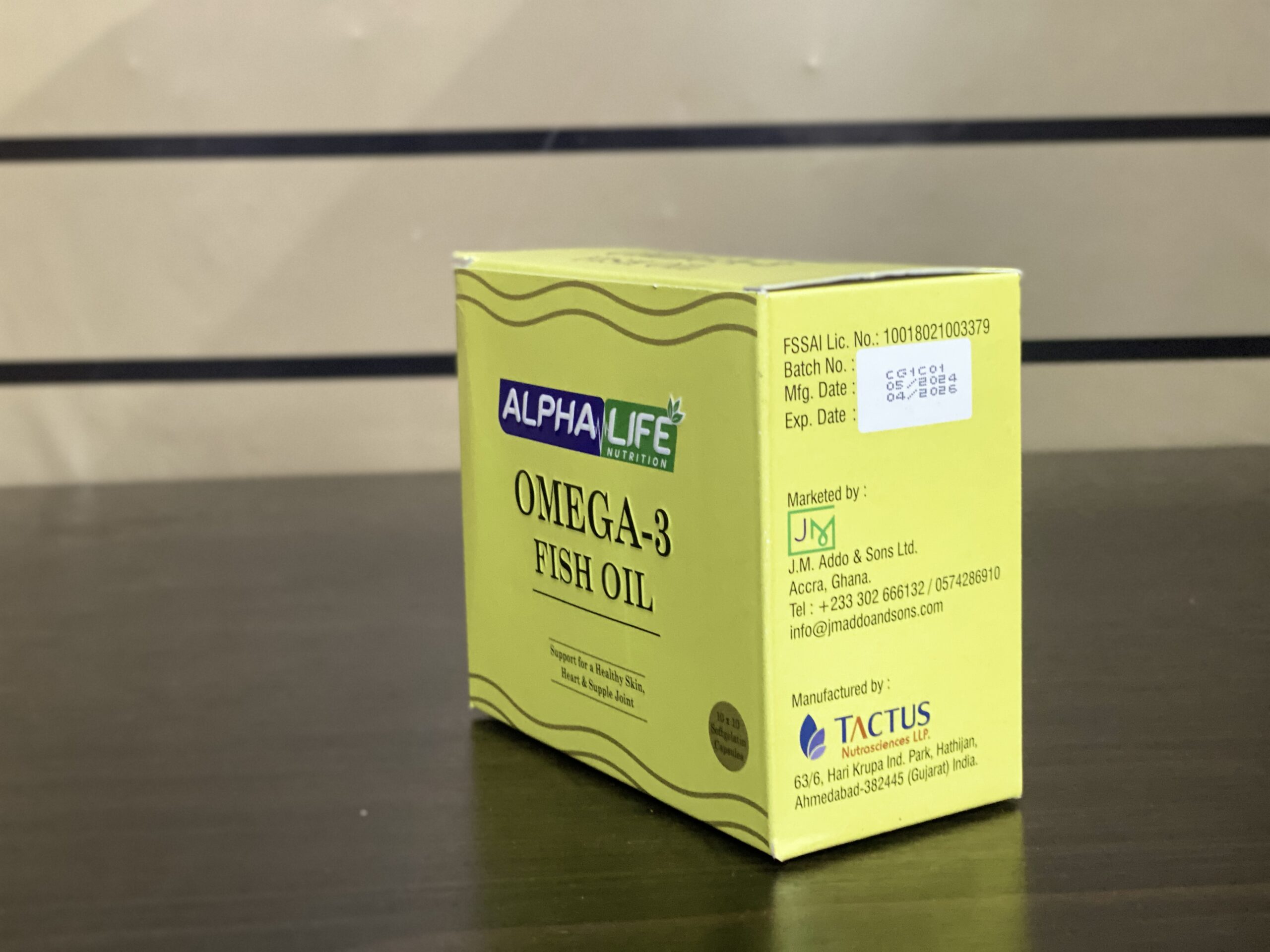
Omega-3 supplements are dietary products rich in essential fatty acids, primarily eicosapentaenoic acid (EPA) and docosahexaenoic acid (DHA), which are crucial for heart, brain, and eye health. These fatty acids are typically derived from fish oil or algae.
Prescription:
- Omega-3 supplements are generally available over-the-counter. However, higher doses may require a prescription, especially for managing specific health conditions.
Dosage:
The recommended daily intake varies:
- For general health: 250–500 mg of EPA and DHA combined.
- For specific conditions like high triglycerides: 2–4 grams daily. It’s advisable to consult a healthcare provider for personalized dosing.
Therapeutic Category:
- Cardiovascular health, cognitive function, inflammation management.
Active Ingredients/Composition:
- Eicosapentaenoic Acid (EPA)
- Docosahexaenoic Acid (DHA)
- Alpha-Linolenic Acid (ALA) (in plant-based supplements)
Variant:
- Omega-3 supplements are available in various forms, including soft gels, liquid, and chewables.
Consume Type:
Directions/Usage:
- Typically taken with meals to enhance absorption and minimize gastrointestinal discomfort.
Common Side Effects:
- Gastrointestinal issues (e.g., nausea, diarrhea)
- Fishy aftertaste or burping
- Heartburn
- Increased risk of bleeding at high doses
- Allergic reactions (rare)
Package Type
- Bottles containing soft gels or liquid form.
Storage Advice:
- Store in a cool, dry place away from direct sunlight. Refrigeration may be recommended for liquid forms.
Safety Advice:
- Consult a healthcare provider before starting supplementation, especially if pregnant, nursing, or on medication.
- Avoid exceeding the recommended dose to prevent adverse effects.
Product Substitutes:
- Plant-based omega-3 supplements (e.g., algal oil)
- Flaxseed oil, chia seeds, walnuts (for ALA)
Manufacturer/Marketer:
Country of Origin:









Reviews
There are no reviews yet.