Description:
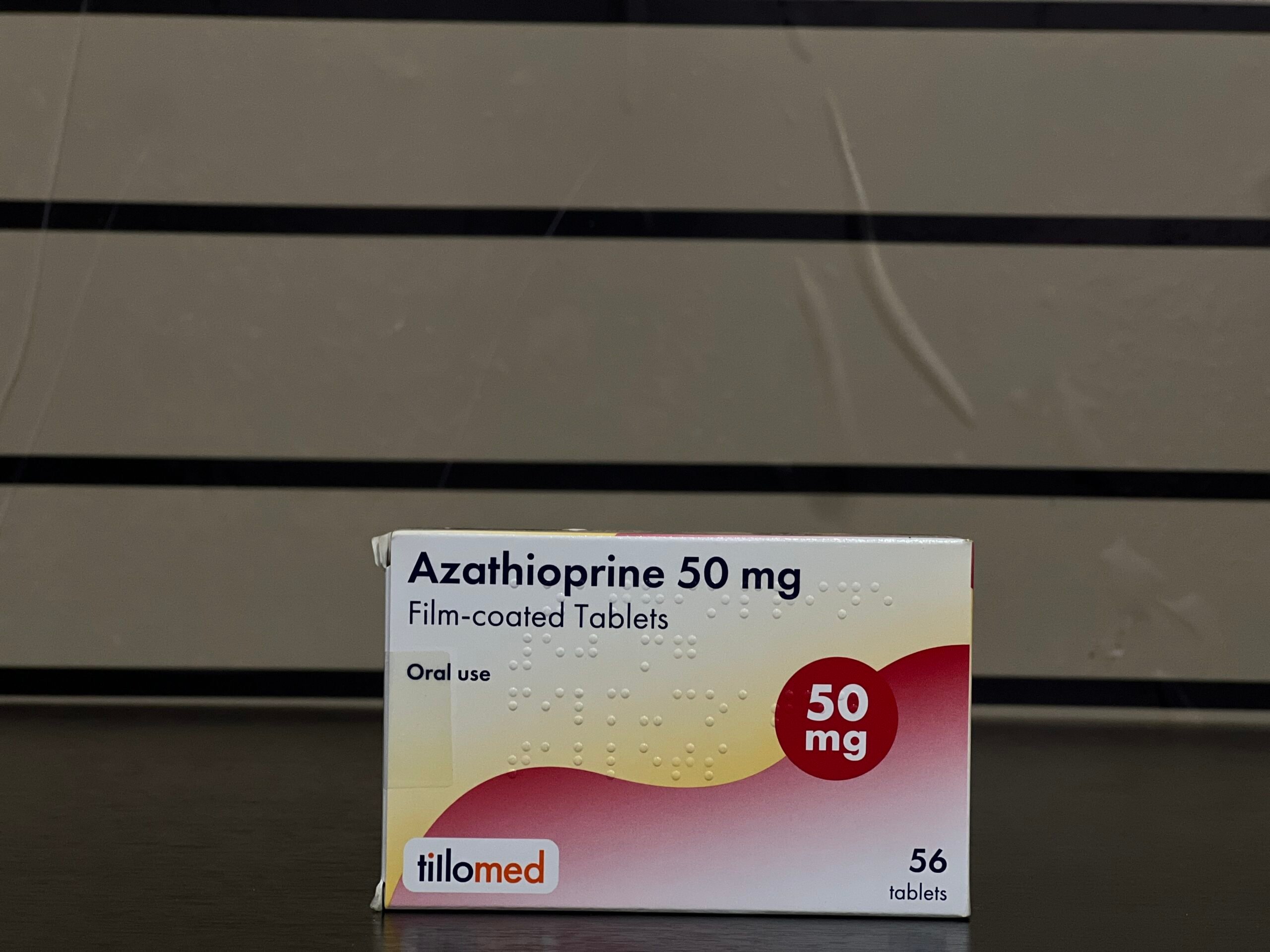
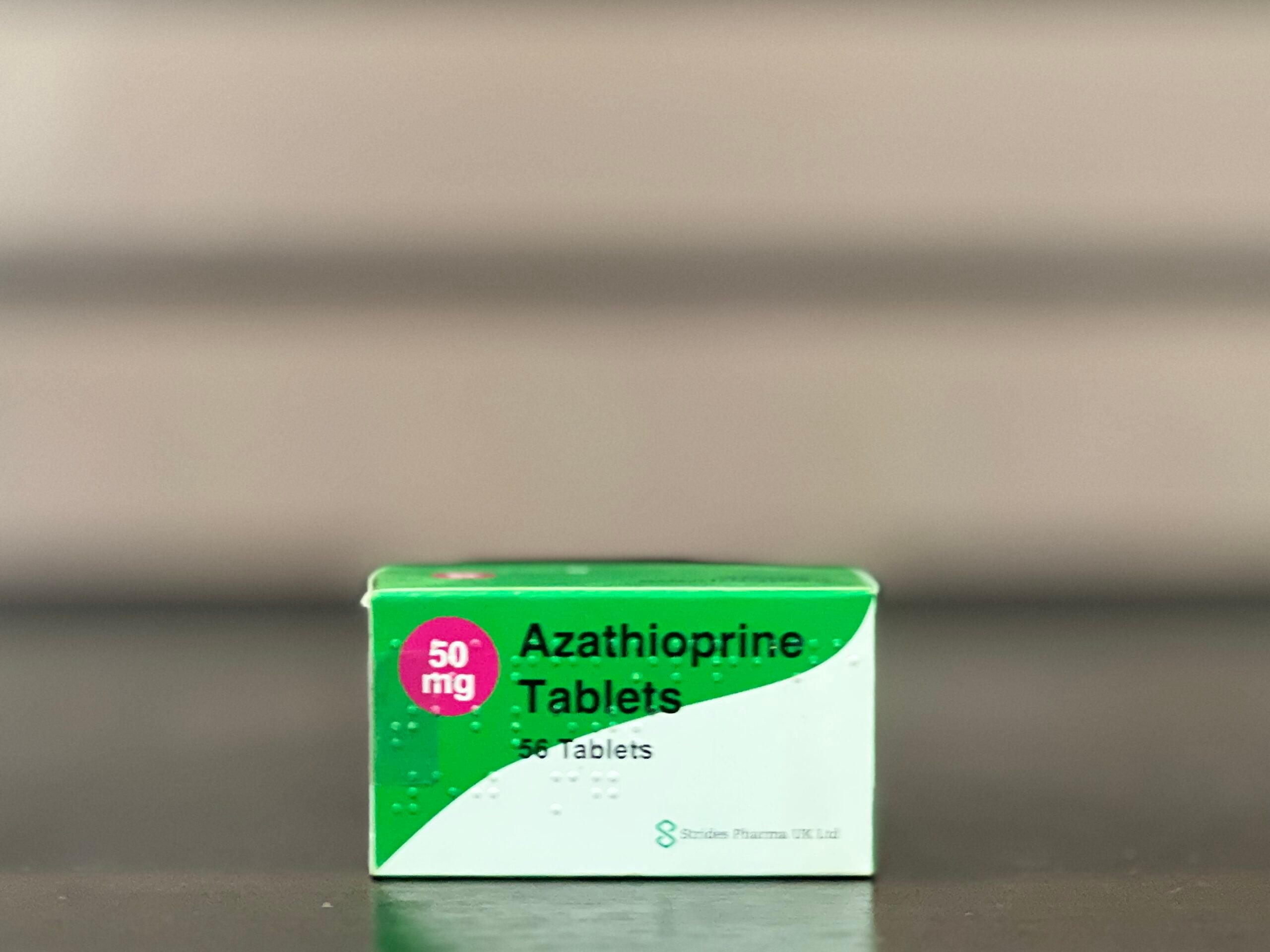
Azathioprine 20mg film-coated tablets are an immunosuppressive medication used to prevent rejection of transplanted organs (e.g., kidney, liver, heart) and to treat several autoimmune and inflammatory diseases. It is commonly indicated for:
- Maintenance immunosuppression after solid organ transplantation (usually in combination with corticosteroids and calcineurin inhibitors).
- Severe rheumatoid arthritis (when other treatments fail).
- Inflammatory bowel disease (Crohn’s disease, ulcerative colitis) – particularly for steroid-sparing maintenance.
- Autoimmune hepatitis, systemic lupus erythematosus (SLE), vasculitis, and other autoimmune conditions. Azathioprine is a prodrug that is metabolized to 6-mercaptopurine, which inhibits purine synthesis and suppresses T- and B-cell proliferation, reducing immune activity.
Prescription: Prescription-only (strictly prescription-only in Ghana; requires a valid prescription from a specialist – typically a transplant physician, rheumatologist, gastroenterologist, nephrologist, or dermatologist; dispensed by pharmacies with Rx. Regular monitoring of blood counts, liver function, and TPMT enzyme activity (if available) is mandatory due to serious risks of bone marrow suppression and hepatotoxicity).
Therapeutic Category:
Immunosuppressant / Antimetabolite (Purine analogue immunosuppressive agent).
Active Ingredients/Composition: Each film-coated tablet contains:
- Active ingredient: Azathioprine – 20 mg (or 50 mg in other common strengths; 20 mg is less common but used for precise dose titration). Other ingredients (excipients, typical): Lactose monohydrate, microcrystalline cellulose, povidone, croscarmellose sodium, magnesium stearate, hypromellose, titanium dioxide, macrogol, talc, and iron oxides (for coloring). Tablets are film-coated, usually yellow or orange, round or oval, and debossed with strength.
Vitamins: None.
Minerals: None.
Variant:
- Azathioprine 20mg film-coated tablets (lower strength for dose adjustment). Related variants: Azathioprine 25mg, 50mg, or 100mg tablets (50mg is the most common strength worldwide), azathioprine oral suspension (for paediatric use), or azathioprine powder for injection (rare). The 20mg tablet is mainly used for fine dose titration in patients who need smaller increments.
Consume Type:
Oral – Film-coated tablet (swallow whole with water; do not crush or chew unless advised by doctor for dose adjustment).
Directions/Usage: Take exactly as prescribed (usually once daily).
- Transplant rejection prevention: Typical dose 1–3 mg/kg/day (often 50–150 mg daily; 20mg used for precise adjustment).
- Rheumatoid arthritis / autoimmune diseases: 0.5–2.5 mg/kg/day (usually 50–150 mg daily, titrated slowly).
- Inflammatory bowel disease: 1.5–2.5 mg/kg/day.
- Take at the same time each day, with or after food to reduce stomach upset.
- Duration: Long-term (often lifelong in transplant patients; months to years in autoimmune diseases).
- Regular blood tests (full blood count, liver function, TPMT if available) are mandatory before starting and frequently during treatment (weekly initially, then monthly).
- Do not stop suddenly without medical advice.
Common Side Effects: Common:
- Nausea, vomiting, loss of appetite.
- Bone marrow suppression (leukopenia, thrombocytopenia, anemia – monitored by blood tests).
- Increased susceptibility to infections.
- Liver enzyme elevation (hepatotoxicity).
- Fatigue, hair thinning. Rare/serious (seek immediate help): Severe bone marrow suppression (fever, sore throat, bruising, bleeding), pancreatitis, severe allergic reactions (rash, fever, joint pain), hepatotoxicity (jaundice), or increased risk of lymphoma/skin cancer (long-term use).
Package Type:
Blister packs (commonly 10 tablets per strip; packs of 30, 50, 60, or 100 tablets; foil blisters in carton with patient information leaflet, warning card, and blood monitoring reminder).
Storage Advice: Store at room temperature (below 25–30°C) in original packaging, protected from light and moisture. Keep tightly closed. Out of reach of children.
Safety Advice:
- High risk of serious bone marrow suppression and hepatotoxicity – regular blood monitoring (weekly initially, then monthly) is mandatory.
- Contraindicated in hypersensitivity to azathioprine/mercaptopurine, severe infections, pregnancy (teratogenic – effective contraception required), breastfeeding, or known TPMT deficiency (genetic testing recommended if available).
- Caution in renal/hepatic impairment (dose reduction), elderly, or concurrent use of allopurinol (dramatic increase in toxicity – dose must be reduced by 75% if used together).
- Avoid live vaccines (risk of infection).
- Report immediately: fever, sore throat, unusual bruising/bleeding, jaundice, severe fatigue, or severe nausea/vomiting.
- Long-term use increases risk of lymphoma and skin cancer – regular skin checks advised.
- Keep out of reach of children (overdose risk).
Product Substitutes: Similar azathioprine tablets in Ghana include:
- Generic azathioprine 25mg, 50mg, or 100mg tablets (various importers).
- Imuran (original GSK brand if stocked).
- Other brands like Azoran, Imutrex, or local generics. Alternatives: Mycophenolate mofetil (CellCept), tacrolimus, cyclosporine, or methotrexate (depending on indication). Consult specialist (transplant physician, rheumatologist, gastroenterologist) in Accra for alternatives.
Manufacturer/Marketer:
NBS Pharmaceuticals or similar (many azathioprine tablets in Ghana are produced by Indian manufacturers under various export brands; AVENTRA/NBS often appears on generic labels). Marketed/distributed in Ghana by local importers/pharmacies (widely stocked as imported generic).
Country of Origin:
India (manufactured by Indian pharmaceutical companies; imported to Ghana and widely available in local pharmacies).




Reviews
There are no reviews yet.