![Clindax [Clindamycin] Suspension](https://www.scabpharmacy.com/wp-content/uploads/2025/09/Clindax-clindamycin-susp100ml-scaled.jpg)
Clindax suspension is an oral antibiotic formulation (powder to be reconstituted into a liquid) containing clindamycin. It’s used to treat bacterial infections caused by susceptible anaerobic bacteria and gram‑positive organisms (e.g. Staphylococci, Streptococci), including skin, soft tissue, respiratory tract, dental, bone and pelvic infections.
Price: ₵160.00

Clindax suspension is an oral antibiotic formulation (powder to be reconstituted into a liquid) containing clindamycin. It’s used to treat bacterial infections caused by susceptible anaerobic bacteria and gram‑positive organisms (e.g. Staphylococci, Streptococci), including skin, soft tissue, respiratory tract, dental, bone and pelvic infections.
Prescription‑only
Antibiotic, specifically a lincosamide agent.
Acts by inhibiting protein synthesis in bacteria.
Active ingredient: Clindamycin hydrochloride (or equivalent) at 75 mg per 5 mL when suspension is prepared.
The suspension (liquid) variant: powder for suspension to be reconstituted with water.
Strength: 75 mg / 5 mL.
Also tablets / capsules (other Clindax forms) and topical (lotion / gel) variants exist. But for “suspension,” the powder form is relevant.
Oral, via suspension (once the powder is mixed with water).
General dosing (may vary by country / severity / patient weight):
Adults (serious infection): e.g. 150‑300 mg every 6 hours; in very severe infections up to 300‑450 mg every 6 hours.
Children: ~8‑16 mg/kg/day divided in 3‑4 doses for common infections; in more severe cases higher end (16‑20 mg/kg/day) divided.
Duration depends on infection type; often several days to weeks depending on severity and clinical response. (Exact duration per condition per physician guidance).
Some of the known side effects of clindamycin suspension include:
Gastrointestinal upset: diarrhea, nausea, vomiting, abdominal pain.
Skin reactions: rashes, urticaria, pruritus.
More serious: risk of Clostridioides difficile-associated diarrhea / pseudomembranous colitis.
Potential for liver enzyme elevations in some patients. (Less frequent)
Rare allergic reactions.
Powder in a bottle (e.g. 100 mL bottle after reconstitution) for suspension preparation.
Powder comes in measured sachets or bulk bottle with powder + instruction on how much water to add. Often sold as 75 mg/5 mL strength.
Store powder/suspension below ~30 °C in dry place. Protect from light and moisture.
Keep out of reach of children.
After reconstitution, often there is guidance on how long the liquid remains stable (e.g. a certain number of days at refrigeration or room temp) — check local label. (Not always specified in the sources consulted)
Do not use if allergic to clindamycin or lincomycin.
Use caution in patients with history of gastrointestinal disease, especially colitis.
Be aware of risk for C. difficile overgrowth—monitor for severe diarrhea, abdominal pain.
Use only as prescribed, complete the full course even if symptoms improve.
In pregnancy: category B in some places; use only if clearly needed.
In lactation: clindamycin does appear in breast milk; use if benefits justify risk.
Other clindamycin oral suspensions from different brands (generic equivalents) or other antibiotics with similar spectrum (depending on infection) such as:
Other branded clindamycin suspensions
Oral formulations (capsules / tablets) of clindamycin
Alternatives like erythromycin, azithromycin, or metronidazole depending on sensitivity and infection type
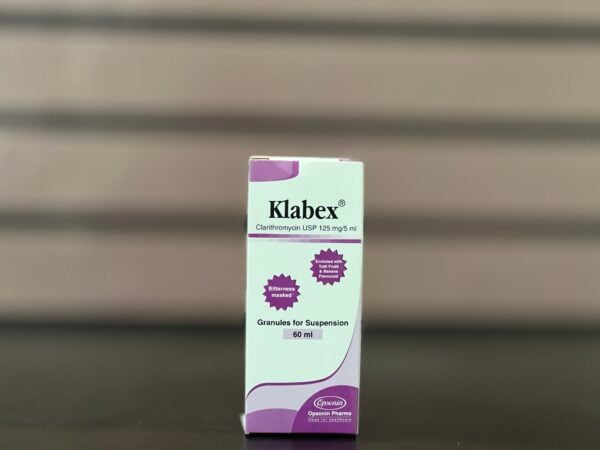
Opsonin Pharma Ltd.
Bangladesh
Do you have any questions? Do not hesitate to contact us.







Reviews
There are no reviews yet.