Description:
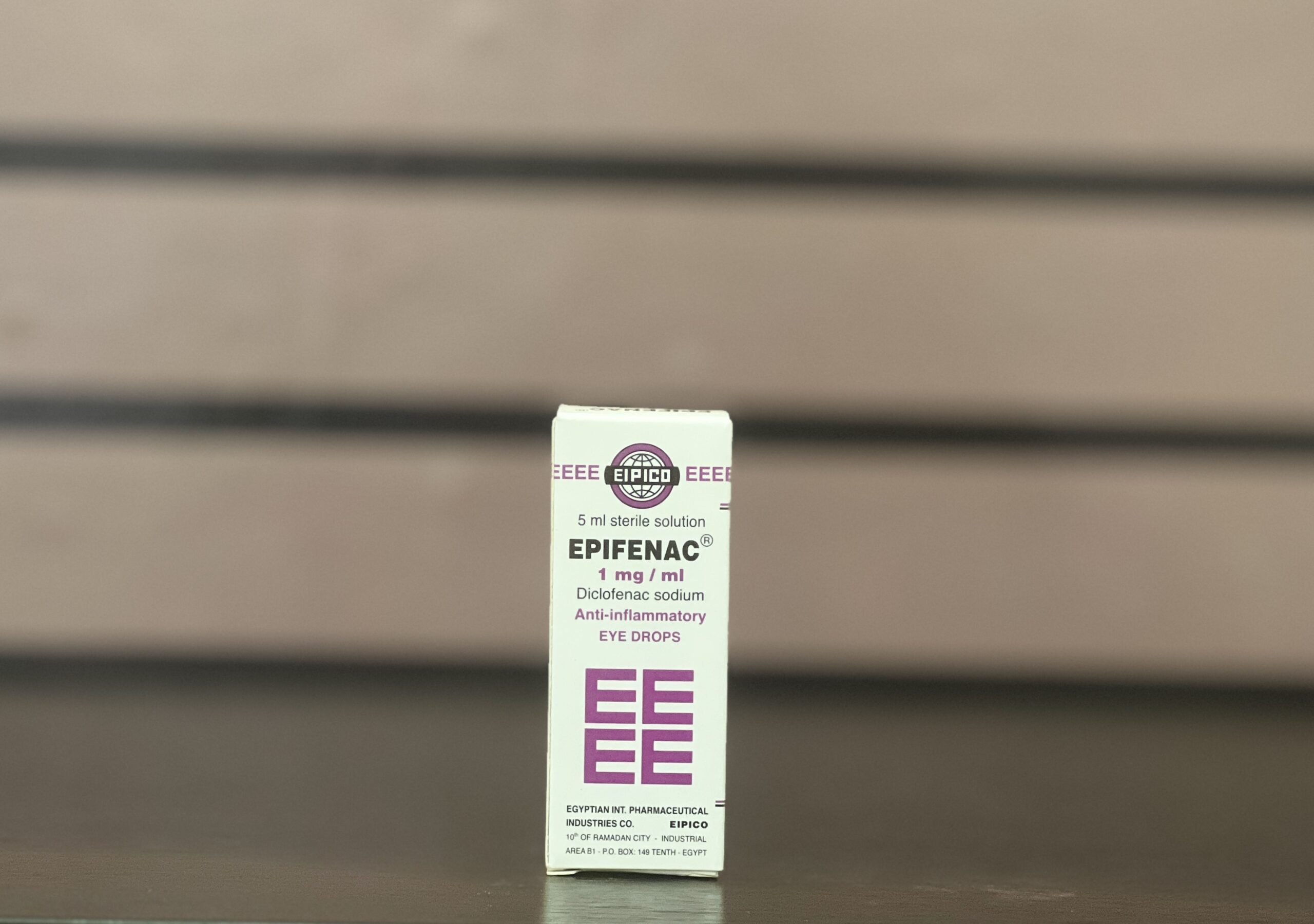
Epifenac Eye Drop is a sterile ophthalmic solution containing diclofenac sodium, a nonsteroidal anti-inflammatory drug (NSAID). It is used to treat postoperative ocular inflammation (e.g., after cataract surgery), reduce pain and discomfort following eye surgery or trauma, and manage inflammatory conditions of the eye such as conjunctivitis or keratitis of non-infectious origin. It helps relieve redness, swelling, pain, and light sensitivity by inhibiting prostaglandin synthesis in ocular tissues.
Prescription:
- Prescription required; consult an ophthalmologist or physician before use.
Therapeutic Category:
- Ophthalmic nonsteroidal anti-inflammatory drug (NSAID) / Topical ocular anti-inflammatory (ATC code S01BC03).
Active Ingredients/Composition:
- Diclofenac sodium 1 mg/mL (0.1% w/v). Other ingredients: Benzalkonium chloride (preservative 0.01%), disodium edetate, boric acid, hydroxypropyl beta-cyclodextrin, sterile water, and pH adjusters.
Variant:
- Standard 0.1% (1 mg/mL) ophthalmic solution; available in 5 mL dropper bottle (common size in Ghana and African markets).
Consume Type:
- Topical (ophthalmic eye drops).
Directions/Usage:
Instill 1 drop into the affected eye(s) 4 times daily (or as prescribed), starting 24 hours after surgery and continuing for up to 2 weeks post-cataract surgery. For corneal refractive surgery: 1–2 drops within 1 hour before surgery, then 1–2 drops 15 minutes after, followed by 4 times daily for up to 3 days.
- Wash hands; tilt head back, pull down lower eyelid, instill drop without touching eye or dropper tip.
- Close eye gently for 1–2 minutes; apply gentle pressure to inner corner to reduce drainage.
- Wait 5–10 minutes before using other eye drops. Remove contact lenses before use (wait 15 minutes to reinsert). Shake well if required.
Common Side Effects:
- Temporary stinging, burning, or blurred vision upon instillation; eye irritation, redness, tearing, foreign body sensation, or mild discomfort. Rare: Keratitis, corneal erosion/ulcer, delayed healing, increased intraocular pressure, allergic reactions (rash, swelling), or severe eye pain.
Package Type:
- Plastic dropper bottle (5 mL) with screw cap; usually in a carton box.
Storage Advice:
- Store at room temperature (15–30°C), protected from light and moisture. Do not freeze. Discard 4 weeks after opening or as per expiry date on label. Keep out of reach of children.
Safety Advice:
- For ophthalmic use only—do not inject or swallow. Avoid if allergic to diclofenac, aspirin, or other NSAIDs (risk of cross-sensitivity). Use caution in patients with asthma, bleeding disorders, or history of corneal problems (may delay healing). Not recommended with soft contact lenses (remove before use). Avoid in late pregnancy (risk to fetus). Inform doctor of other eye medications or conditions (e.g., dry eye, rheumatoid arthritis). Report severe pain, vision changes, persistent irritation, or signs of infection immediately. Prolonged use requires monitoring for corneal toxicity or increased eye pressure.
Product Substitutes:
- Voltaren Ophtha 0.1% eye drops (original brand)
- Diclofenac Sodium Ophthalmic Solution 0.1% generics (e.g., from Bausch + Lomb, Altaire, or other importers)
- Safenac Eye Drops or similar diclofenac ophthalmic in Ghana
- Other NSAID eye drops (e.g., ketorolac tromethamine 0.5% like Acular) if substituted by doctor. Consult an ophthalmologist for suitable alternatives.
Manufacturer/Marketer:
- Egyptian International Pharmaceutical Industries Co. (EIPICO)
Country of Origin:






Reviews
There are no reviews yet.