0.00 0

Cart

No products in the cart.

Continue shopping

Fentanyl injection

New arrival

Fentanyl injection

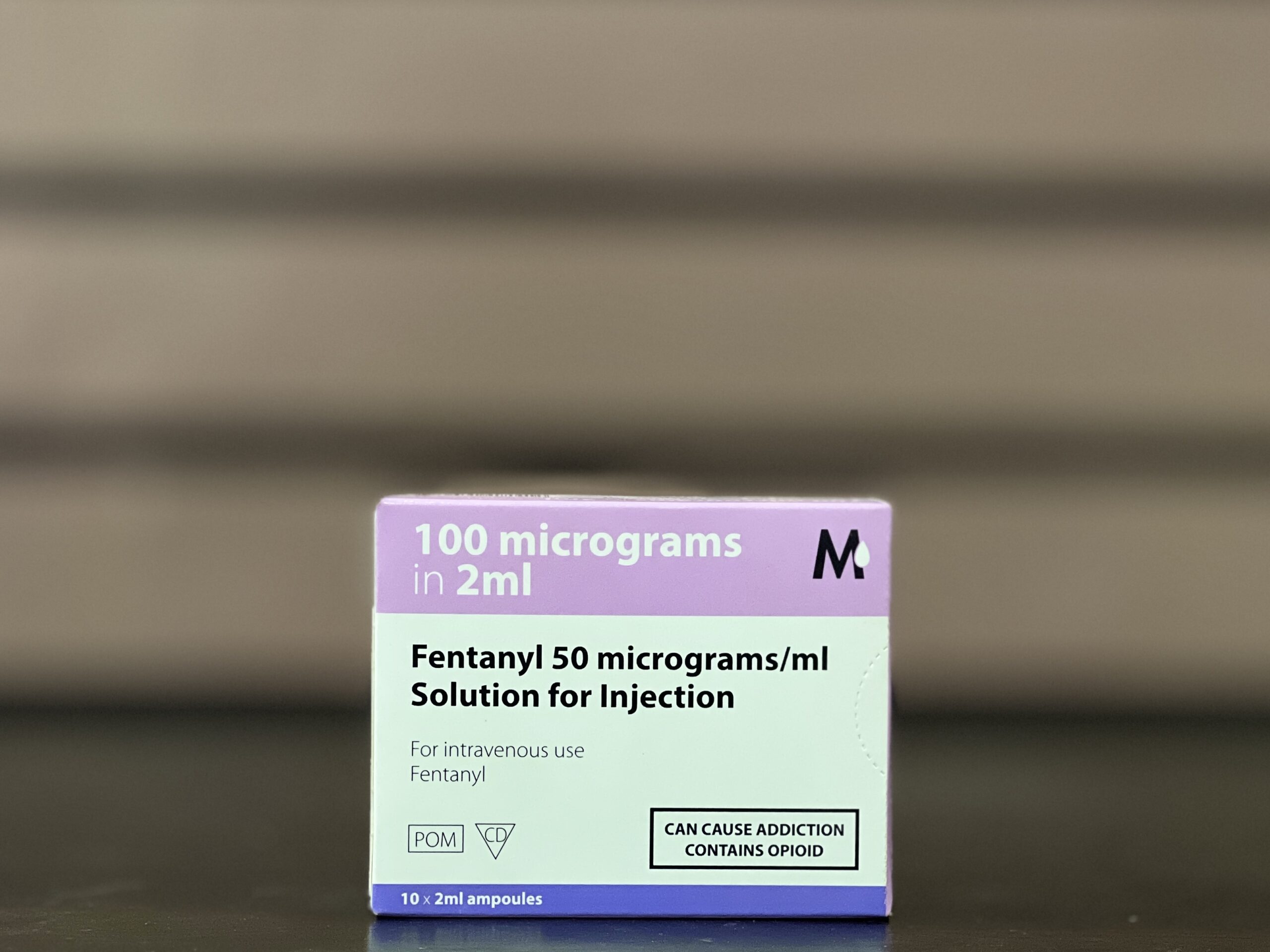
Fentanyl 50 micrograms/ml solution for injection (100 micrograms in 2 ml ampoule) is a potent opioid analgesic used for the management of severe acute pain, procedural analgesia, anaesthesia induction/maintenance, and postoperative pain relief. It is a synthetic opioid agonist that acts primarily on mu-opioid receptors in the central nervous system to produce analgesia, sedation, and respiratory depression. It is approximately 50–100 times more potent than morphine and provides rapid onset (IV: 1–2 minutes) and short duration of action (30–60 minutes). In Ghana (Accra), it is a high-alert, controlled medication used exclusively in hospital settings (operating theatres, ICU, emergency departments) for pain management and anaesthesia.

Price: 70.00 /Ampoule

Key Product Information

Opioid Analgesic (Synthetic phenylpiperidine opioid).

Injectable

Active ingredient: Fentanyl citrate – 50 micrograms per ml (100 micrograms in 2 ml ampoule). Other ingredients: Sodium chloride (for isotonicity), water for injection, and hydrochloric acid/sodium hydroxide (pH adjustment to ~4.0–7.5). The solution is clear, colourless, sterile, and preservative-free.

Glass ampoules

Varies by exact batch (Fentanyl 50 mcg/ml injections often by Indian manufacturers like Neon Laboratories, Samarth Life Sciences, or local Ghanaian producers for generics). Marketed/distributed in Ghana by local importers/pharmacies (widely stocked in hospital pharmacies).

India
Order Through WhatsApp
or
SBP-Tag-Payment-Channels-GH

Product description

Description:

Fentanyl 50 micrograms/ml solution for injection (100 micrograms in 2 ml ampoule) is a potent opioid analgesic used for the management of severe acute pain, procedural analgesia, anaesthesia induction/maintenance, and postoperative pain relief. It is a synthetic opioid agonist that acts primarily on mu-opioid receptors in the central nervous system to produce analgesia, sedation, and respiratory depression. It is approximately 50–100 times more potent than morphine and provides rapid onset (IV: 1–2 minutes) and short duration of action (30–60 minutes). In Ghana (Accra), it is a high-alert, controlled medication used exclusively in hospital settings (operating theatres, ICU, emergency departments) for pain management and anaesthesia.

Prescription:

Prescription-only (strictly controlled substance in Ghana; requires a doctor’s prescription and is administered only by trained healthcare professionals—usually anaesthesiologists, intensivists, or emergency physicians—in hospitals/clinics; not for outpatient use or OTC dispensing due to high risk of respiratory depression, overdose, dependence, and abuse potential).

Therapeutic Category:

Opioid Analgesic (Synthetic phenylpiperidine opioid).

Active Ingredients/Composition:

  • Active ingredient: Fentanyl citrate – 50 micrograms per ml (100 micrograms in 2 ml ampoule). Other ingredients: Sodium chloride (for isotonicity), water for injection, and hydrochloric acid/sodium hydroxide (pH adjustment to ~4.0–7.5). The solution is clear, colourless, sterile, and preservative-free.

Vitamins: None.

Minerals: None.

Variant:

  • Fentanyl 50 mcg/ml solution for injection (2 ml ampoule containing 100 micrograms). Related variants: Fentanyl 50 mcg/ml in 10 ml ampoules (500 mcg total), fentanyl 100 mcg/ml (higher concentration), transdermal patches (Duragesic), lozenges (Actiq), or nasal spray (for breakthrough pain). The 2 ml ampoule (100 mcg) is the most common unit for bolus dosing in anaesthesia and acute pain.

Consume Type:

Injectable – Intravenous (IV) bolus or infusion, Intramuscular (IM), or Epidural/Intrathecal (in anaesthesia) (administered only by healthcare professionals; never oral or self-administered).

Directions/Usage: Administered only in controlled clinical settings (operating theatre, ICU, emergency) with respiratory and hemodynamic monitoring.

  • Adults (acute pain/analgesia): 50–200 mcg IV bolus (0.5–2 ml), repeated as needed every 2–5 minutes (titrate to effect).
  • Anaesthesia induction/maintenance: 1–5 mcg/kg IV bolus, then infusion 0.5–2 mcg/kg/hour or boluses.
  • Postoperative pain: 25–100 mcg IV boluses or patient-controlled analgesia (PCA).
  • Children: Weight-based (1–2 mcg/kg IV bolus; lower doses in neonates).
  • Slow IV push (over 30–60 seconds) to minimize chest wall rigidity and respiratory depression.
  • Always have airway support (oxygen, ventilation equipment) and naloxone available.
  • Duration: Short-term (hours); not for chronic pain.

Common Side Effects: Common:

  • Respiratory depression (dose-dependent, may be delayed).
  • Nausea, vomiting.
  • Drowsiness, sedation.
  • Bradycardia (slow heart rate).
  • Muscle rigidity (especially chest wall with rapid/high-dose IV).
  • Hypotension. Rare/serious (seek immediate help): Severe respiratory depression/apnea, laryngospasm, anaphylaxis, serotonin syndrome (if combined with serotonergic drugs), or dependence/abuse.

Package Type:

Glass ampoules of 2 ml (each containing 100 micrograms fentanyl; packs of 5 or 10 ampoules; labelled carton with controlled substance warnings, dilution instructions, and safety alerts).

Storage Advice: Store at room temperature (below 25–30°C) in original packaging, protected from light. Do not freeze. Keep locked in secure storage (controlled substance). Out of reach of unauthorized personnel.

Safety Advice:

  • Administered only under medical supervision with continuous monitoring (oxygen saturation, respiratory rate, blood pressure, ECG).
  • Contraindicated in respiratory depression, acute asthma, paralytic ileus, or hypersensitivity.
  • High risk of respiratory arrest – have naloxone (opioid antagonist) and airway equipment immediately available.
  • Caution in elderly, debilitated patients, head injury, increased intracranial pressure, hepatic/renal impairment, or concurrent CNS depressants (opioids, benzodiazepines, alcohol – additive respiratory depression).
  • Risk of chest wall rigidity (especially rapid IV or high dose) – treat with muscle relaxants or naloxone.
  • Controlled substance – high abuse potential; strict accountability required.
  • If respiratory depression, severe bradycardia, or unconsciousness occurs, stop administration, support ventilation, and give naloxone.
  • Keep locked and out of reach of unauthorized persons.

Product Substitutes: Similar fentanyl injections in Ghana include:

  • Generic fentanyl citrate 50 mcg/ml injection (various importers).
  • Fentanyl injection BP 100 mcg/2 ml (other brands like Hospira, Sandoz).
  • Other opioid injectables: Morphine sulphate, pethidine (pethidine), or remifentanil (ultra-short-acting). Consult anaesthesiologist or hospital pharmacist in Accra for alternatives.

Manufacturer/Marketer:

Varies by exact batch (Fentanyl 50 mcg/ml injections often by Indian manufacturers like Neon Laboratories, Samarth Life Sciences, or local Ghanaian producers for generics). Marketed/distributed in Ghana by local importers/pharmacies (widely stocked in hospital pharmacies).

Country of Origin:

India (primary source for generic fentanyl 50 mcg/ml injections imported to Ghana; BP-compliant generics common in African markets).

Additional information

Additional information

Product reviews

Reviews

There are no reviews yet.

Be the first to review “Fentanyl injection”

Your email address will not be published. Required fields are marked *

Customers Also Bought