Description:
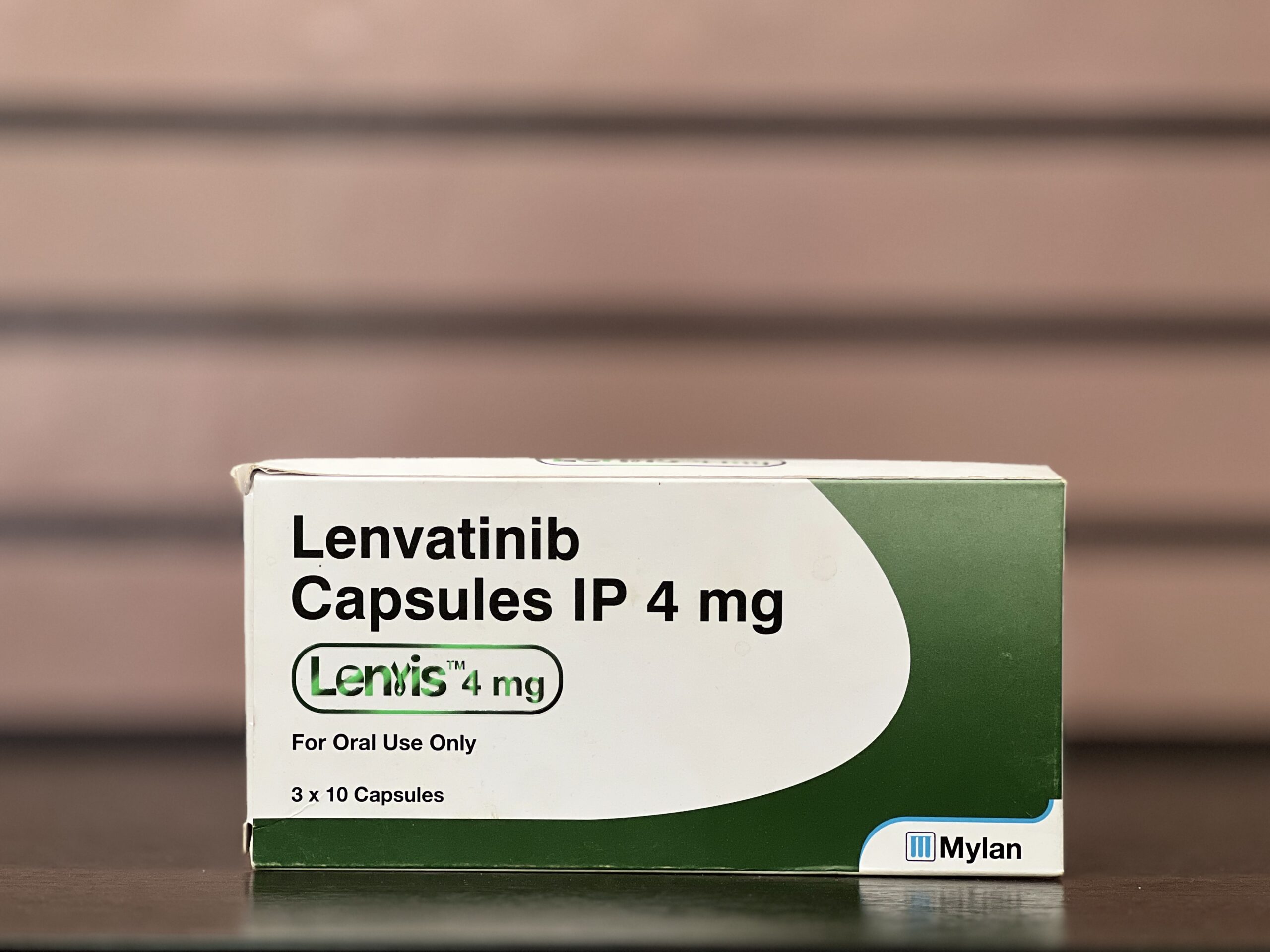
Lenvatinib Capsules IP 4mg (Mylan) is a generic oral targeted anticancer medication (tyrosine kinase inhibitor). It is used to treat certain advanced or metastatic cancers by inhibiting multiple receptor tyrosine kinases involved in tumor growth and angiogenesis. Approved indications include:
- Differentiated thyroid cancer (DTC) refractory to radioactive iodine.
- Advanced renal cell carcinoma (RCC) in combination with everolimus after prior anti-angiogenic therapy.
- Unresectable hepatocellular carcinoma (HCC) as first-line therapy.
- Advanced endometrial carcinoma in combination with pembrolizumab (non-MSI-H/dMMR). In Ghana (Accra), it is a prescription oncology drug available through specialist centers, hospitals, or select pharmacies for cancer treatment under oncologist supervision.
Prescription:
Prescription-only (strictly prescription-only in Ghana and globally; dispensed only by pharmacies/hospitals with a valid prescription from an oncologist or specialist; requires regular monitoring of blood pressure, liver function, electrolytes, ECG, and other parameters due to serious risks).
Therapeutic Category:
Antineoplastic / Tyrosine Kinase Inhibitor (Multi-kinase inhibitor for targeted cancer therapy.
Active Ingredients/Composition:
- Active ingredient: Lenvatinib (as lenvatinib mesylate) – 4 mg per capsule. Other ingredients (excipients, typical): Calcium carbonate, mannitol, microcrystalline cellulose, hydroxypropyl cellulose, low-substituted hydroxypropyl cellulose, magnesium stearate, capsule shell (gelatin or hypromellose), titanium dioxide, iron oxides, and printing ink. Capsules are hard gelatin, often yellow or orange, imprinted with strength and brand.
Vitamins: None.
Minerals: None.
Variant:
- Lenvatinib Capsules IP 4mg (standard 4mg strength; common pack sizes 30 capsules). Related variants: Lenvatinib 10mg, 14mg, 18mg, 20mg, or 24mg capsules (higher doses for target therapy), or combination packs (e.g., with everolimus or pembrolizumab). The 4mg capsule is frequently used for dose titration, lower starting doses, or maintenance in certain patients.
Consume Type:
Oral – Hard capsule (swallow whole with water; do not open, chew, or crush).
Directions/Usage: Take exactly as prescribed by an oncologist (dosing individualized based on cancer type, body weight, and tolerability).
- DTC: Starting dose typically 24 mg once daily (may reduce to 20 mg, 14 mg, 10 mg, 8 mg, or lower due to toxicity).
- RCC (with everolimus): 18 mg once daily + everolimus 5 mg.
- HCC: Starting dose 8 mg once daily (if <60 kg) or 12 mg once daily (≥60 kg); may reduce stepwise.
- Endometrial carcinoma (with pembrolizumab): 20 mg once daily.
- Take at the same time each day, with or without food (consistent timing preferred).
- Duration: Long-term until disease progression or unacceptable toxicity.
- Dose reductions common for hypertension, proteinuria, liver toxicity, or other grade 3/4 events.
Common Side Effects: Common (often dose-limiting):
- Hypertension (high blood pressure – very frequent, requires daily monitoring).
- Fatigue / asthenia
- Diarrhea
- Decreased appetite / weight loss
- Nausea, vomiting
- Palmar-plantar erythrodysesthesia (hand-foot syndrome)
- Proteinuria
- Dysphonia (hoarseness)
- Stomatitis/mucositis Other: Headache, arthralgia, myalgia, hypothyroidism, liver enzyme elevation. Serious (seek immediate help): Severe hypertension, cardiac failure, arterial thromboembolism, hemorrhage, gastrointestinal perforation/fistula, QT prolongation, posterior reversible encephalopathy syndrome (PRES), hepatotoxicity, or nephrotic syndrome.
Package Type:
Blister packs (commonly 10 capsules per strip, packs of 3×10 = 30 capsules; foil blisters in carton with patient information leaflet and patient alert card).
Storage Advice: Store at room temperature (below 25–30°C) in original packaging, protected from moisture and light. Keep tightly closed. Out of reach of children.
Safety Advice:
- High risk of serious adverse events – requires close monitoring by oncologist (daily blood pressure initially, regular LFTs, renal function, ECG, thyroid function, urinalysis for protein).
- Contraindicated in hypersensitivity to lenvatinib, recent severe bleeding, or uncontrolled hypertension.
- Pregnancy category D – contraindicated (teratogenic; use effective contraception during and for 30 days after treatment).
- Caution in heart disease, liver/renal impairment, bleeding disorders, or recent surgery.
- Stop or reduce dose if severe hypertension, proteinuria >2g/24h, severe liver toxicity, or other grade 3/4 events.
- If severe headache, chest pain, shortness of breath, swelling, severe bleeding, or neurological symptoms occur, seek immediate care.
- Regular follow-up and monitoring essential.
Product Substitutes: Similar lenvatinib 4mg capsules in Ghana include:
- Generic lenvatinib 4mg (various importers).
- Lenvima (original Eisai brand, higher price if stocked).
- Other brands like Lenvaxen, Lenvakast, or local generics. Alternatives: Sorafenib, cabozantinib, or regorafenib (other TKIs for similar cancers). Consult oncologist/pharmacist in Accra (e.g., Korle Bu Oncology) for availability.
Manufacturer/Marketer:
Mylan (now part of Viatris; manufactures generic lenvatinib products). Marketed/distributed in Ghana by local importers/pharmacies (widely stocked as imported generic).
Country of Origin:
India (manufactured by Mylan/Viatris or licensed Indian facilities; imported to Ghana and available in local pharmacies).








Reviews
There are no reviews yet.