Description
Levetiracetam is an anticonvulsant (antiepileptic) medication that binds to the synaptic vesicle protein SV2A, modulating neurotransmitter release to reduce seizure activity. It’s used for treating partial-onset, myoclonic, and generalized tonic-clonic seizures.
Prescription
- Prescription-only (Rx-only); not available over the counter in jurisdictions like the US, UK, EU, and others.
Dosage
- Immediate-release: Adults typically start with 250 mg twice daily, increasing per response—common maintenance ranges from 500 to 1500 mg twice daily, with a maximum of 3000 mg per day.
- Extended-release (not 250/500 mg): Initiated at 1000 mg once daily, up to 3000 mg/day.
Therapeutic Category
- Antiepileptic (Racetam anticonvulsant)—used in epilepsy management.
Active Ingredients / Composition
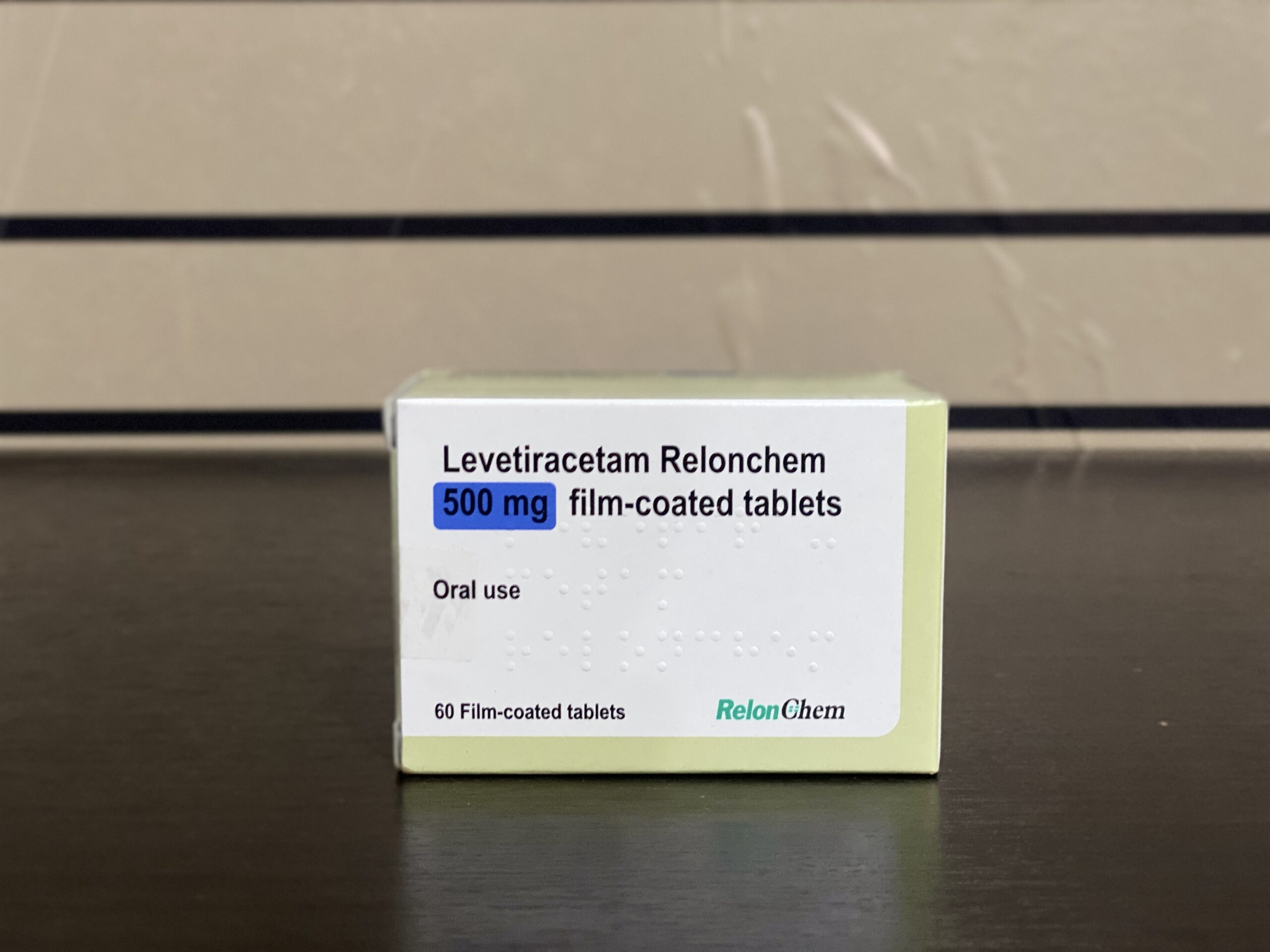
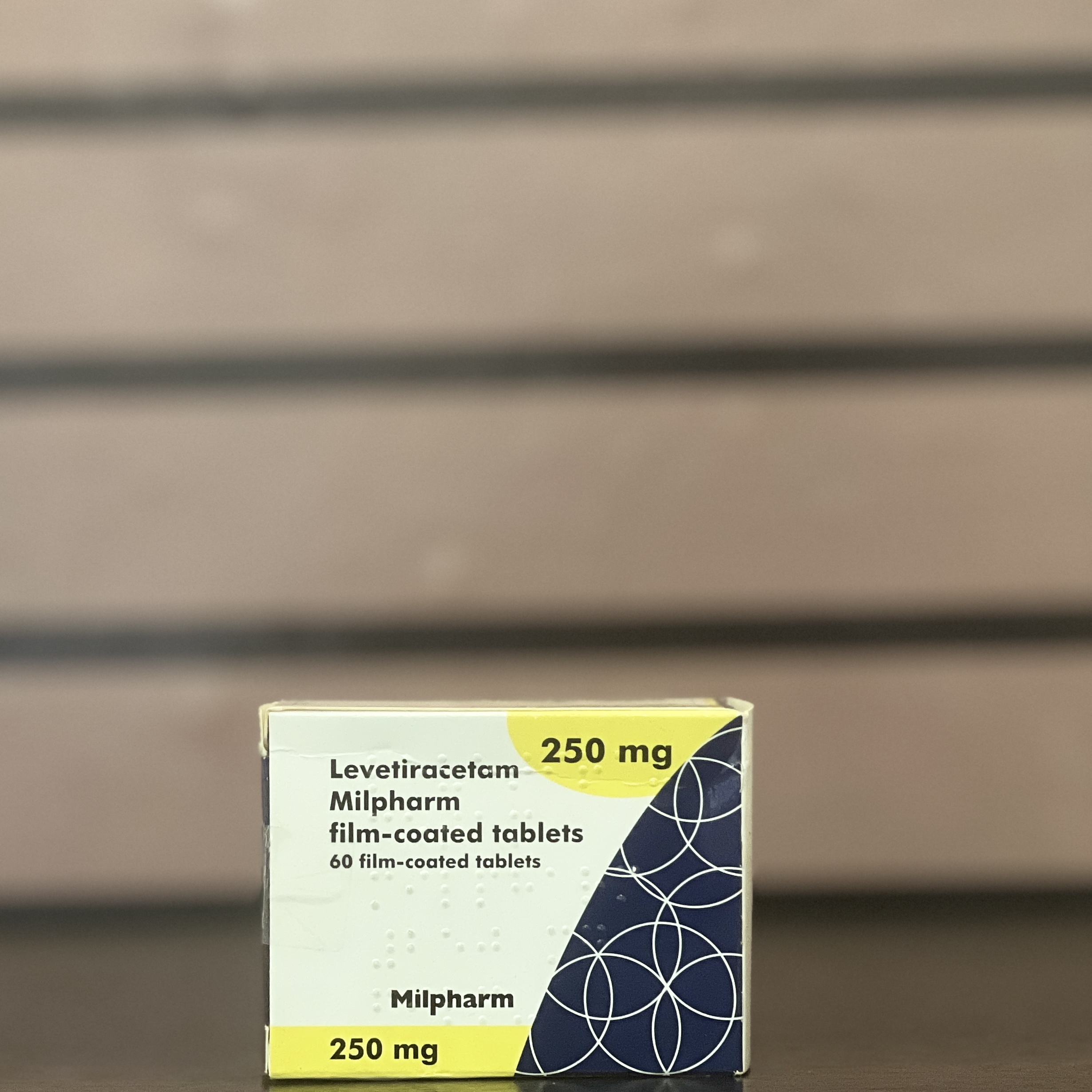
- Each tablet contains levetiracetam as the active ingredient, in strengths of 250 mg or 500 mg.
Variant
- Immediate-release tablets: 250 mg, 500 mg, and higher (750 mg, 1000 mg).
- Oral solution, injectable, and extended-release forms exist, but the focus here is on the 250 mg and 500 mg tablets.
Consume Type
- Oral tablets; swallow whole with water. Intravenous and other forms also available but not typical for 250 mg/500 mg tablet usage.
Directions / Usage
- Typically taken twice daily, at the same times each day.
- Start at 250 mg twice a day; adjust upward every 2 weeks according to clinical response and tolerability—possible maintenance up to 1500 mg twice daily.
- Never stop abruptly—taper under medical supervision to reduce seizure rebound risk.
Common Side Effects
- Drowsiness, dizziness, fatigue, irritability, mood changes, coordination difficulties.
- Psychiatric risks include aggression, depression, suicidal ideation; severe skin reactions like Stevens–Johnson syndrome are rare.
- May impact bone mineral density over long-term use.
Package Type
- Film-coated tablets, usually colored (e.g., 250 mg blue; 500 mg yellow), typically in blister packs or bottles.
Storage Advice
- Store at room temperature, away from moisture, heat, and direct light. Keep out of reach of children. (Standard practice; corroborated by Mayo Clinic guidance.)
Safety Advice
- Renal impairment requires dose adjustments (e.g., reduced dose or extended dosing intervals).
- Monitor for mood changes or suicidal thoughts.
- Avoid abrupt discontinuation.
Product Substitutes
Generic versions are widely available under various brand and generic names globally (e.g., Keppra, Elepsia, Spritam).
Manufacturer / Marketer
Country of Origin
- Developed by UCB (Belgium).







Reviews
There are no reviews yet.