Description
Opsta‑D is a fixed‑dose ophthalmic solution combining a fluoroquinolone antibiotic (levofloxacin) with a corticosteroid (dexamethasone). It’s designed to prevent and treat inflammation and prevent bacterial infection, commonly associated with cataract surgery or other ocular procedures
2. Prescription
Prescription-only product (POM/Rx). A doctor’s authorization is required
3. Therapeutic Category
Belongs to the class corticosteroid + anti‑infective combination, used for anti-inflammatory and antibacterial ophthalmic purposes, typically post-operative ocular care.
4. Active Ingredients / Composition
- Levofloxacin Hemihydrate (antibacterial): typically 5 mg/mL (0.5%)
- Dexamethasone Sodium Phosphate (anti‑inflammatory corticosteroid): typically 1 mg/mL (0.1%)
- Preservative: Benzalkonium Chloride (e.g. 0.005%) .
5. Vitamins
None included.
6. Minerals
None included.
7. Variant
Usually available in standard 0.1% dexamethasone + 0.5% levofloxacin formulation. Packaged volumes commonly include 5 mL bottles.
8. Consume Type
Ophthalmic solution (eye drops) for topical use on the eye. Not for internal use.
9. Directions / Usage
- Typical dosing (adults, post-surgery): Instill one drop into the conjunctival sac every 6 hours (i.e., 4 times daily) for 7 days .
- Alternate regimen (when more intensive initial control needed):
- Days 1–2: 1–2 drops every 2 hours, up to 8 times/day
- Days 3–7: 1–2 drops every 4 hours, up to 4 times/day.
- Treatment should not be stopped prematurely; taper if advised.
- Avoid contact with dropper tip; maintain sterility. Press on the tear duct (nasal corner) post-application to reduce systemic absorption
10. Common Side Effects
- Eye-related: irritation, ocular hypertension, sensation of a foreign body, blurred vision, corneal edema, increased tearing, discomfort, and dryness.
Systemic / less common: headache, dysgeusia (taste changes)
- Risks from corticosteroid use: elevated intraocular pressure, risk of glaucoma, formation of subcapsular cataracts (especially in diabetics), and possible corneal thinning or perforation
11. Package Type
Typically supplied in a 5 mL LDPE (low-density polyethylene) dropper bottle, sometimes also in 3 mL or 10 mL sizes depending on brand/manufacturer.
12. Storage Advice
- Store at room temperature, generally below 25–30 °C, away from light and moisture.
- Discard 28 days (4 weeks) after opening.
- Keep out of reach of children, avoid freezing
13. Safety Advice
- Ophthalmic use only.
- Avoid contamination: do not touch dropper tip to eye/skin. Keep cap tightly closed.
- Monitor intraocular pressure if using for extended periods.
- Contraindications: known hypersensitivity to levofloxacin or dexamethasone, steroid-responsive infections (e.g., viral, fungal, mycobacterial eye infections) .
- Avoid use in children/adolescents (typically <18 years) due to lack of safety data .
- Pregnancy & lactation: Use only if benefits outweigh risks. Data limited .
- Long-term steroid use risks: glaucoma, cataracts, slowed corneal healing.
- Discontinue if signs of secondary infection or corneal damage appear.
14. Product Substitute
Therapeutically similar products include:
- Ducressa (levofloxacin + dexamethasone) by Santen/Tubilux .
Dexalev (levofloxacin 0.5% + dexamethasone 0.1%) by Aristovision, approved in EU/UK, offering a 7-day regimen.
- Levodexa (combo product approved in Canada, brand name).
15. Manufacturer / Marketer
Likely manufacturer: Ha Noi CPC1 Pharmaceutical JSC (CPC1, Vietnam), as they produce “Dexalevo Drop” — a levofloxacin/dexamethasone product similar to Opsta‑D.
Other manufacturers include:
- Tubilux Pharma S.p.A., distributed by Santen (e.g., Ducressa) .
Aristovision (Dexalev).
16. Country of Origin
Depending on manufacturer:
- Vietnam (CPC1) for Dexalevo-like products.
- Italy (Tubilux Pharma) for Ducressa; distributed in Malaysia & others
- Europe (Spain origin of raw materials) for Dexalev
![Opsta-D Eye Drop [Levofloxacin + Dexamethasone]](https://www.scabpharmacy.com/wp-content/uploads/2025/10/Opsta-d-eye-drop-scaled.jpg)



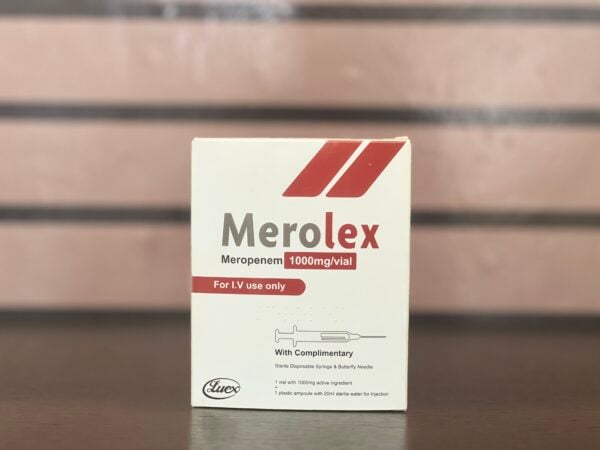
![merolex [meropenem] injection](https://www.scabpharmacy.com/wp-content/uploads/2025/05/merolex-injection-500mg-600x450.jpg)


Reviews
There are no reviews yet.