0.00 0

Cart

No products in the cart.

Continue shopping

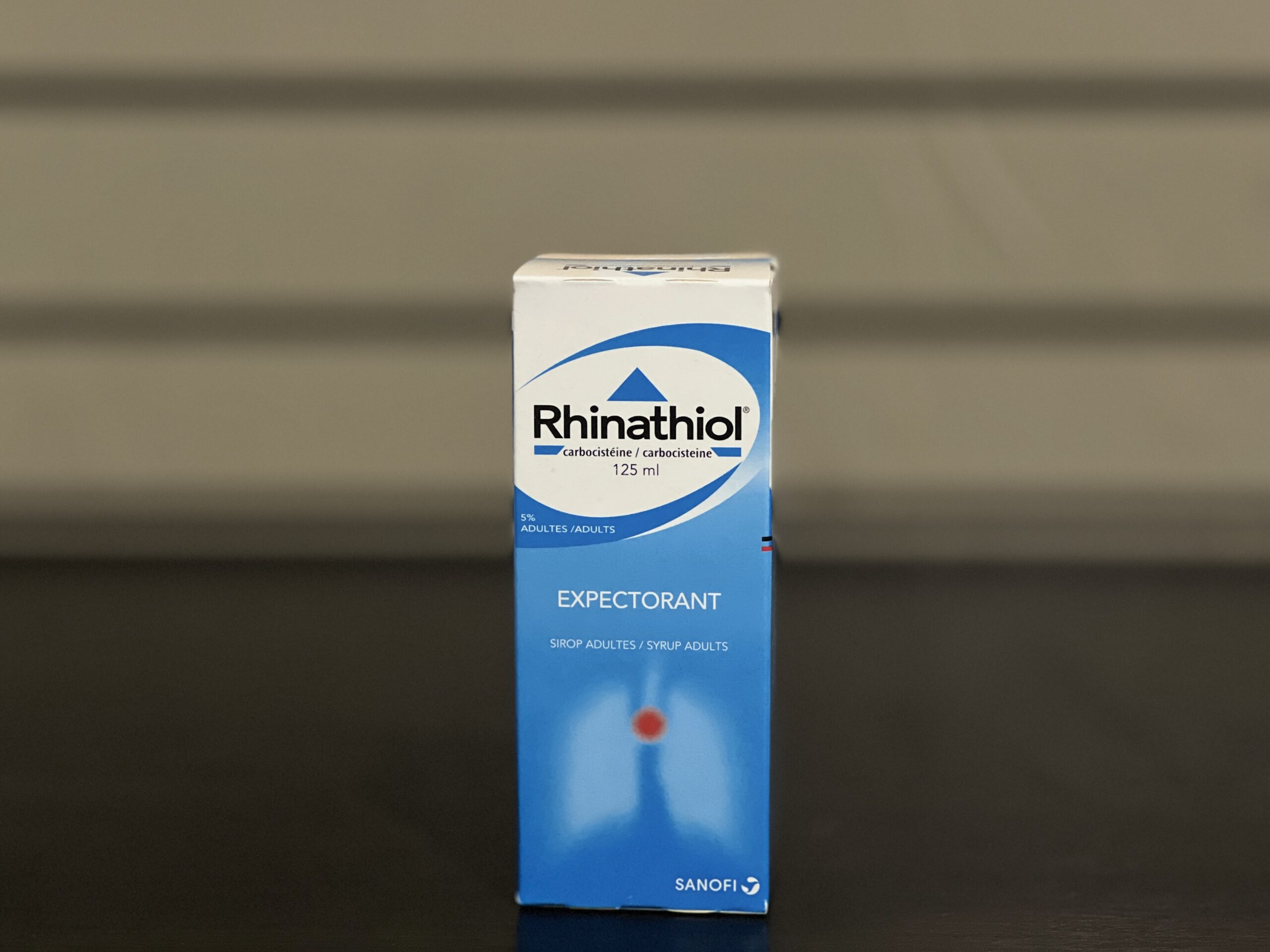
Rhinathiol syrup

Rhinathiol syrup

Rhinathiol is a mucolytic / expectorant syrup used to loosen mucus (phlegm) in the respiratory tract and help clear it through coughing. It is used when phlegm is thick, sticky, or difficult to expectorate

Price: 140.00

Key Product Information

Order Through WhatsApp
or
SBP-Tag-Payment-Channels-GH

Product description

Description:Rhinathiol is a mucolytic / expectorant syrup used to loosen mucus (phlegm) in the respiratory tract and help clear it through coughing. It is used when phlegm is thick, sticky, or difficult to expectorate. 


Prescription:In many jurisdictions it is prescription-only (POM). For example, the UK version of Rhinathiol 250 mg/5 mL is labelled as POM. 


Therapeutic Category:Respiratory medicine — Mucolytic / Expectorant (in the group of medicines that act on the respiratory system) 


Active Ingredients/Composition:

Carbocisteine (also spelled carbocysteine) is the active mucolytic agent. For example, in adult formulations: 5 g per 100 mL (i.e. a 5 % syrup). 

– In formulations combining with antihistamines: e.g. Rhinathiol + Promethazine syrup includes carbocisteine + promethazine. 

– Excipients include: sucrose, methyl parahydroxybenzoate (E218), ethanol (small amount), sodium hydroxide, caramel colour, flavouring (cinnamon/rum flavour) etc. 


Mineral:None (in the nutritional/supplement sense). However, sodium is present due to sodium hydroxide / sodium content of the syrup (for example, 97 mg sodium per 15 mL dose in some formulations) 


Variant:Liquid syrup form. The “syrup” variant is the common form. The strength varies (e.g. “5 % adult syrup”, “2 % children syrup”). 


Consume Type:Oral (syrup) — taken by mouth, measured via spoon or cup. 


Directions/Usage:For adult (5 % syrup) formula: 15 mL three times daily is a usual dose (i.e. 750 mg carbocisteine per 15 mL) – Some sources say if symptoms improve, dose may be reduced (e.g. 10 mL × 3) 

– For children: the “children / junior” syrup (2 %) may be dosed as 5 mL two or three times a day, depending on age. 

– Duration: generally short-term (for acute phases). Some labels caution not to exceed about 8-10 days in children. 

– Shake the bottle well before use. (Standard instruction for syrups; many leaflets include this) 


Common Side Effects: Gastrointestinal discomfort: nausea, vomiting, abdominal pain 

  • Allergic reactions: rash, itching, other hypersensitivity responses 
  •  Occasionally, very rare severe skin reactions (e.g. Stevens-Johnson syndrome) have been listed in leaflets as warnings for overdosage or hypersensitivity. 
  •  Some sources mention possible gastrointestinal bleeding in rare cases. 


Package Type:

Typically in bottles (e.g. 125 mL, 200 mL, 250 mL) with measuring cup or spoon included. 


Storage Advice:Store below 25 °C (room temperature) in a dry place. 

  •  Protect from moisture and light. 
  •  Keep out of reach of children. 
  •  After use, some leaflets recommend wiping the bottle neck before closing to remove residual syrup. 


 Safety Advice/Precautions:

 Contraindicated in known hypersensitivity to carbocisteine or any excipient (e.g. parabens) 

  •  Use caution in patients with gastric or duodenal ulcers (may aggravate) 
  •  Avoid use of cough suppressants (antitussives) concurrently, as mucolytics rely on cough to expel loosened mucus 
  •  In patients with liver disease, alcoholism, epilepsy, those at risk with alcohol, check ethanol content — the syrup contains small amount of ethanol (e.g. 0.2 g per 15 mL) in some formulations. 
  •  Be careful with sodium load (e.g. 97 mg sodium per 15 mL in some formulations) in patients on sodium-restricted diets. 

 Use in pregnancy / lactation only with medical supervision, as safety data are limited. 

  •  Monitor for signs of allergic reaction or worsening of respiratory condition.
  •  Do not exceed recommended duration in children (often ≤ 8–10 days) unless advised by a physician. – Overdose may cause serious adverse reactions (skin blistering, mucosal bleeding) — seek medical help. 


Product Substitutes:

Other mucolytic/expectorant syrups (e.g. generic carbocisteine syrups), or medications containing carbocisteine alone; in some settings, agents like N-acetylcysteine, ambroxol, guaifenesin, etc., might be used depending on local practice.


Manufacturer/Marketer:For many markets, Sanofi-Aventis is associated with the Rhinathiol brand. 

The UK licensed manufacturer is A. Nattermann & Cie GmbH, Cologne, Germany (for the Rhinathiol syrup 250 mg/5 mL) with licence holder Lexon (UK) Ltd.

In local markets (e.g. Ghana), “Rhinathiol Cough Junior Syrup” is marketed by local pharmacies (Scab Pharmacy) — active ingredient: carbocisteine. 


Additional information

Additional information

Product reviews

Reviews

There are no reviews yet.

Be the first to review “Rhinathiol syrup”

Your email address will not be published. Required fields are marked *

Customers Also Bought