
September 19, 2026
Prostate-Specific Antigen (PSA) Blood Test Results
Understanding your Prostate-Specific Antigen (PSA) blood test results is crucial for prosta...

SCAB Pharmacy


Diarrhea in children is a common health concern, particularly in regions like Ghana, where it remains a significant cause of morbidity and mortality among children and babies. Understanding its causes, symptoms, and effective treatment strategies is crucial for parents and caregivers to protect their children’s health and ensure proper growth and development.
Diarrhea is characterized by frequent, loose, or watery stools, occurring three or more times within a day, and is a common pediatric concern. This condition arises when the colon’s ability to absorb water is compromised, leading to an excess of water being retained in the stool. In children, diarrhea is incredibly common, often stemming from viral gastroenteritis, and requires pediatric attention. Recognizing the signs of watery stools is the first step in addressing this prevalent issue, which can range from acute, short-term episodes to more persistent conditions.
Numerous factors can cause diarrhea in children, including digestive issues linked to food allergies or intolerances, and infections from bacteria or viruses such as rotavirus and norovirus. Foodborne and waterborne illnesses like those caused by E. coli or Salmonella are also common culprits, especially in settings with poor sanitation and contaminated water. Improper handwashing, particularly after handling animals, can spread infection. Acute diarrhea, typically lasting a few days to a week, is most frequently caused by infections, while chronic diarrhea, persisting beyond 2-4 weeks, might indicate underlying inflammation, genetic conditions, or autoimmune disorders. Additionally, a course of antibiotics can sometimes cause an imbalance of beneficial bacteria in the bowel, leading to antibiotic-associated diarrhea.
The primary symptom of diarrhea in children is the passage of loose or watery stools, often accompanied by an urgent need to use the bathroom. Children experiencing diarrhea may also exhibit other symptoms, including abdominal pain, vomiting, fever, or a high temperature, and a noticeable loss of appetite. Other signs can encompass cramping, bloating, nausea, and in more severe cases, bloody stools or significant fluid loss leading to dehydration, which may require emergency care. Caregivers should be vigilant for these symptoms, as early recognition is key to preventing complications.
The most common cause of acute diarrhea in children is an infection, often viral, bacterial, or parasitic. Viruses are a predominant culprit, with rotavirus infection being particularly significant globally and in Ghana. Other viruses like norovirus, adenovirus, and astrovirus can also cause gastroenteritis. Bacterial gastroenteritis might stem from bacteria such as Salmonella, E. coli, Shigella, and Campylobacter, which are sometimes linked to food poisoning. Additionally, parasites like Giardia and Cryptosporidiosis may cause diarrhea, contributing to the burden of disease in children.
In many Ghanaian communities, the impact of poor sanitation and contaminated water sources is a major cause of diarrhea in children. Children are especially vulnerable to traveler’s diarrhea, which is caused by consuming unsafe food or water tainted with bacteria, viruses, or parasites. Rivers, lagoons, and streams, often used for domestic purposes, can harbor parasites like Giardia and Cryptosporidiosis. This issue is exacerbated during seasonal rains, which can increase the risk of waterborne infections, making safe drinking water practices crucial for prevention.
Inadequate hygiene practices play a critical role in the spread of diarrhea among children. Improper handwashing, especially after nappy changes, before feeding, and before food preparation, significantly contributes to the transmission of infection. Correct and consistent handwashing with soap can reduce the spread of bacteria and viruses that cause diarrhea. Furthermore, wearing gloves when cleaning up stool or vomit and properly disposing of contaminated materials are effective measures to prevent the spread of contagious gastroenteritis in homes and daycare settings, emphasizing the importance of robust hygiene.
A telltale sign of diarrhea in children is the presence of frequent watery stools, often accompanied by an urgent need to use the bathroom. If a child, particularly an infant or toddler, passes loose or liquid stool three or more times within a day, it is considered diarrhea. This increased frequency and altered consistency of stool are critical symptoms of diarrhea, indicating that the child’s digestive system is not absorbing fluids effectively, which is a common presentation of various causes of diarrhea.
Beyond watery stools, children experiencing diarrhea may also exhibit other significant symptoms such as abdominal pain, or “tummy pain,” vomiting, and fever or high temperature. Viral gastroenteritis, a common cause of diarrhea in children, typically begins with vomiting that can last for one or two days, potentially accompanied by a low-grade fever, which can be an emergency. In contrast, bacterial gastroenteritis may present with more severe symptoms like blood or mucus in the stool and a higher fever, warranting closer medical attention.
One of the most serious complications of diarrhea in children, especially in infants and toddlers, is dehydration, which can be fatal if not promptly addressed. Caregivers should watch for signs of dehydration such as a dry mouth, tongue, and lips, sunken eyes, reduced tear production when crying, and fewer wet nappies or urine output than usual. Severe dehydration symptoms include lethargy, refusal to drink, very sunken fontanelle in babies, cold or blotchy skin, and rapid breathing, necessitating immediate medical consultation.
Oral Rehydration Salts (ORS) are the cornerstone of home management for diarrhea in children, widely recommended by the Ghana Health Service. These solutions are crucial for preventing and treating dehydration by replacing lost fluids and electrolytes, which is superior to plain water alone and can help stop diarrhea. ORS can be given in liquid form or even frozen into ice blocks for children to suck, making it a more palatable option to ensure adequate hydration and effectively manage diarrhea at home.
In conjunction with ORS, the use of zinc supplements is strongly recommended by the World Health Organization (WHO) to treat diarrhea in children. Zinc supplementation helps reduce the severity and duration of diarrhea episodes, promoting faster recovery and reducing the risk of recurrence. This effective treatment option supports the child’s immune system and intestinal healing, making it an integral part of comprehensive care for diarrhea management in Ghana.
It is crucial for caregivers to know when to seek medical attention for a child with diarrhea. A doctor should be consulted if a child’s diarrhea lasts longer than 48 hours, is accompanied by a high fever, or if the child shows any signs of dehydration, such as reduced urine output or extreme lethargy. Persistent diarrhea lasting more than 14 days, the presence of blood or mucus in the stool, or severe abdominal pain also warrant immediate medical evaluation, especially for infants under six months of age.
Improved handwashing techniques are a cornerstone in preventing the spread of diarrhea, especially among children in Ghana. Correct handwashing with soap and clean water, particularly after nappy changes, before food preparation, and after using the toilet, can significantly reduce the transmission of bacteria and viruses that cause diarrhea. This simple yet effective hygiene practice is crucial for minimizing the spread of contagious gastroenteritis within households and daycare settings, safeguarding the health of the child and the entire family. Regular handwashing is truly the number one way to stop the spread of germs.
Ensuring safe drinking water practices is paramount in preventing diarrhea, particularly in regions where contaminated water sources are prevalent. In Ghana, where seasonal rains can exacerbate waterborne infections, it is vital to treat all drinking water by boiling, filtering, or using purification tablets. Avoiding tap water, especially when traveling, and not using ice made from untreated water are critical measures. Educating communities on these practices and promoting access to clean, safe drinking water are essential steps to reduce the incidence of diarrhea in children.
Exclusive breastfeeding for infants offers invaluable protection against diarrhea by providing essential antibodies that bolster the baby’s immune system, helping to prevent infection and care for children and babies. Furthermore, vaccination, specifically the rotavirus vaccine, is a highly effective preventive measure available through Ghana’s Expanded Programme on Immunization (EPI). This vaccine protects children against rotavirus, the most common viral cause of diarrhea in infants and young children, significantly reducing the severity and incidence of diarrheal disease.
In Ghana, The impact of seasonal rains often leads to a significant increase in waterborne infections, directly contributing to a surge in child’s diarrhea cases among children. Heavy rainfall can contaminate open water sources, wells, and even piped water systems, making it easier for bacteria, viruses, and parasites to spread. This heightened risk underscores the urgent need for robust public health interventions, including widespread education on safe drinking water practices and improved sanitation infrastructure, to protect vulnerable children from diarrheal disease during these periods.
Community health workers (CHWs) play an indispensable role in monitoring child health and managing diarrhea within Ghanaian communities. These frontline workers are crucial in educating caregivers on symptoms of diarrhea, promoting the use of oral rehydration salts (ORS) and zinc supplements, and advising on preventive measures like handwashing and safe water practices. Their ability to reach remote areas and provide timely advice and support helps in early detection and appropriate home management, significantly reducing morbidity and mortality rates associated with diarrhea in children.
Local case studies and examples from Ghana highlight the effectiveness of integrated approaches in combating child diarrhea and providing care. For instance, in certain rural districts, successful interventions have combined community-led total sanitation initiatives with targeted campaigns for rotavirus vaccination and widespread distribution of ORS and zinc. These efforts, often supported by NGOs and the Ghana Health Service, have shown measurable reductions in the burden of child’s diarrhea disease. Such examples demonstrate that sustained improvements in hygiene, access to safe water, and effective medical interventions can profoundly impact child health outcomes.

Understanding your Prostate-Specific Antigen (PSA) blood test results is crucial for prosta...
SCAB Pharmacy
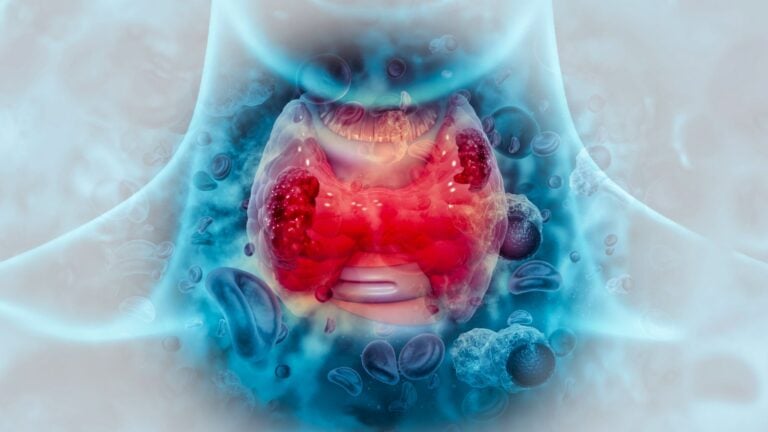
Thyroid Cancer Awareness Month serves as a crucial reminder for everyone, particularly in G...
SCAB Pharmacy
Taking proactive steps for your health is crucial, and understanding the necessary screenin...
SCAB Pharmacy

Do you have any questions? Do not hesitate to contact us.
