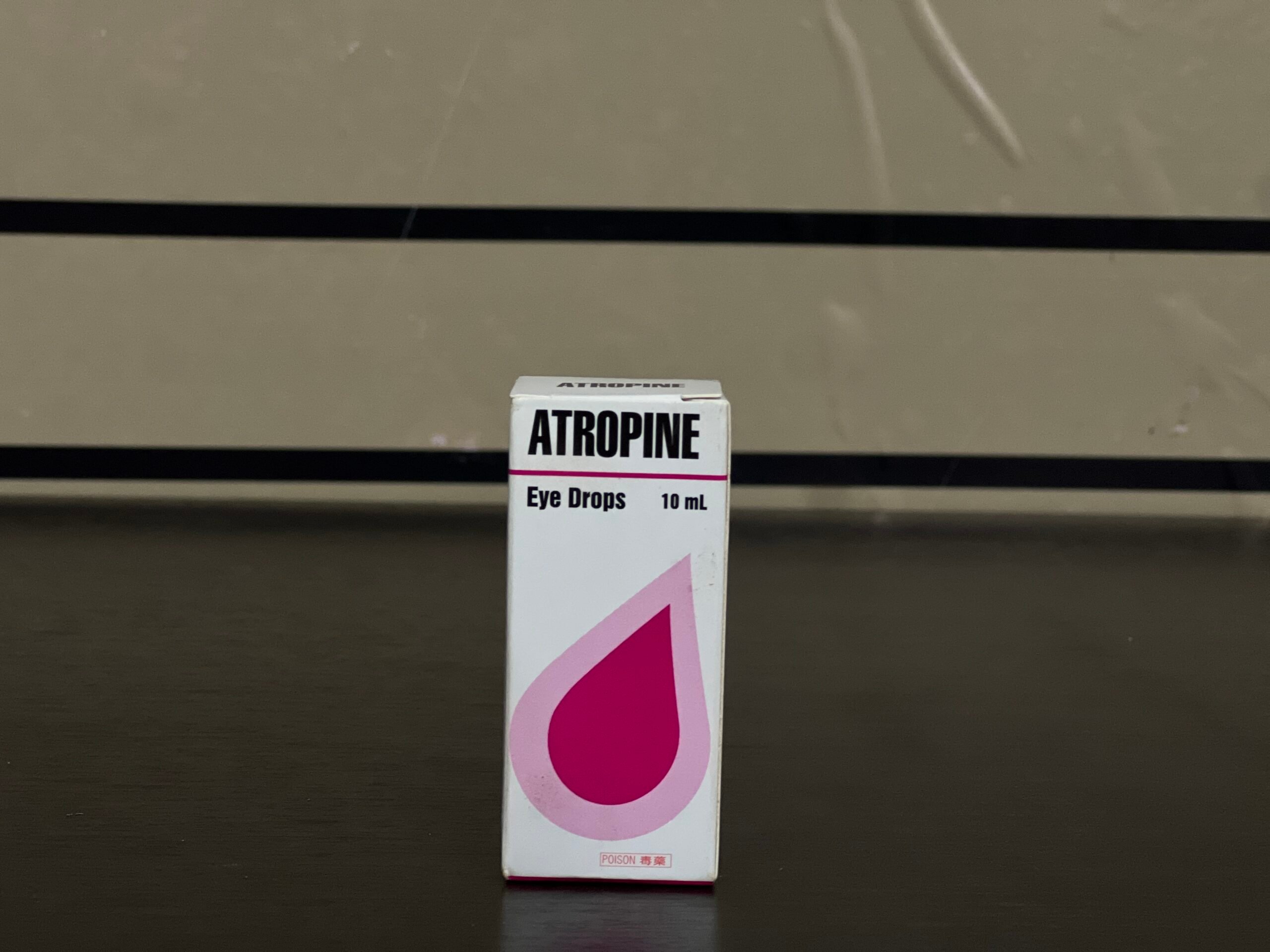
Atropine eye drops (typically 1% w/v atropine sulfate in a 10ml bottle) are a sterile ophthalmic solution classified as a mydriatic and cycloplegic agent. They dilate the pupil (mydriasis) and paralyze the eye’s focusing muscles (cycloplegia) for diagnostic eye exams, refraction testing, treatment of uveitis/iritis (eye inflammation), amblyopia (lazy eye) in children (penalization therapy), and occasionally myopia progression control (though lower concentrations are preferred for long-term use).
Price: ₵120.00

Atropine eye drops (typically 1% w/v atropine sulfate in a 10ml bottle) are a sterile ophthalmic solution classified as a mydriatic and cycloplegic agent. They dilate the pupil (mydriasis) and paralyze the eye’s focusing muscles (cycloplegia) for diagnostic eye exams, refraction testing, treatment of uveitis/iritis (eye inflammation), amblyopia (lazy eye) in children (penalization therapy), and occasionally myopia progression control (though lower concentrations are preferred for long-term use).
Poisoning refers to toxicity from accidental or intentional ingestion (swallowing) of the eye drops, which can cause severe anticholinergic/antimuscarinic toxicity (also called the “anticholinergic toxidrome”). This occurs because atropine is highly absorbable orally/nasally, and even small ingested volumes (e.g., a few ml or 10-20 drops) can lead to systemic overdose. Cases are documented worldwide, including rare intentional ingestions or accidental swallowing (e.g., by children mistaking the bottle for drink or adults in suicide attempts). In Ghana/Accra, such incidents are possible given availability in pharmacies (e.g., brands like Atrolant or generics), but specific local case reports are limited in public data.
Prescription:
Prescription-only (requires an ophthalmologist/optometrist prescription in Ghana; dispensed by pharmacies like Scab Pharmacy, Vafy Pharmacy, or hospital eye clinics in Accra). Not OTC due to risks of prolonged effects and potential for misuse/poisoning.
Therapeutic Category:
Anticholinergic / Mydriatic-Cycloplegic Ophthalmic Agent (for diagnostic/therapeutic pupil dilation and eye inflammation.
Active Ingredients/Composition:
Vitamins: None.
Minerals: None.
Variant:
Consume Type:
Topical ophthalmic (eye drops; instilled into conjunctival sac). Never ingest—oral ingestion causes poisoning.
Directions/Usage:
For therapeutic use only (as prescribed):
Common Side Effects:
Ocular (from proper use): Blurred near vision, photophobia, stinging/burning on instillation, dry eyes. Systemic (from absorption/poisoning): Dry mouth, flushed skin, tachycardia, fever, confusion. In poisoning (ingestion): Severe anticholinergic toxidrome—dilated pupils, dry/hot/flushed skin (“red as a beet”), dry mouth (“dry as a bone”), fever (“hot as a hare”), tachycardia, delirium/hallucinations (“mad as a hatter”), urinary retention, decreased bowel sounds. Children highly sensitive.
Package Type:
Plastic dropper bottle (10ml) with nozzle/cap; often in carton with leaflet.
Storage Advice:
Room temperature (below 25-30°C), cool/dry place, away from light/heat. Keep closed. Discard 4 weeks after opening. Out of reach of children (high poisoning risk if swallowed).
Safety Advice:
Product Substitutes:
Manufacturer/Marketer:
Varies (generics from Indian firms like Entod, Biomedica, or others; branded like Atrolant possibly local). Marketed in Ghana by importers/pharmacies (e.g., Scab Pharmacy).
Country of Origin:
India
Do you have any questions? Do not hesitate to contact us.







Reviews
There are no reviews yet.