Description:
Ephedrine Injection is a sympathomimetic agent used to treat clinically significant hypotension (low blood pressure) occurring during anesthesia (e.g., spinal, epidural, or general anesthesia). It acts as a vasopressor to raise blood pressure by direct stimulation of alpha- and beta-adrenergic receptors and indirect release of norepinephrine. It is administered in hospital settings when rapid correction of hypotension is needed.
Prescription:
- Prescription required; administered only by healthcare professionals (anesthetist or doctor) in a clinical setting (intramuscular, subcutaneous, or intravenous).
Therapeutic Category:
- Vasopressor / Sympathomimetic amine (adrenergic agonist for hypotension management).
Active Ingredients/Composition:
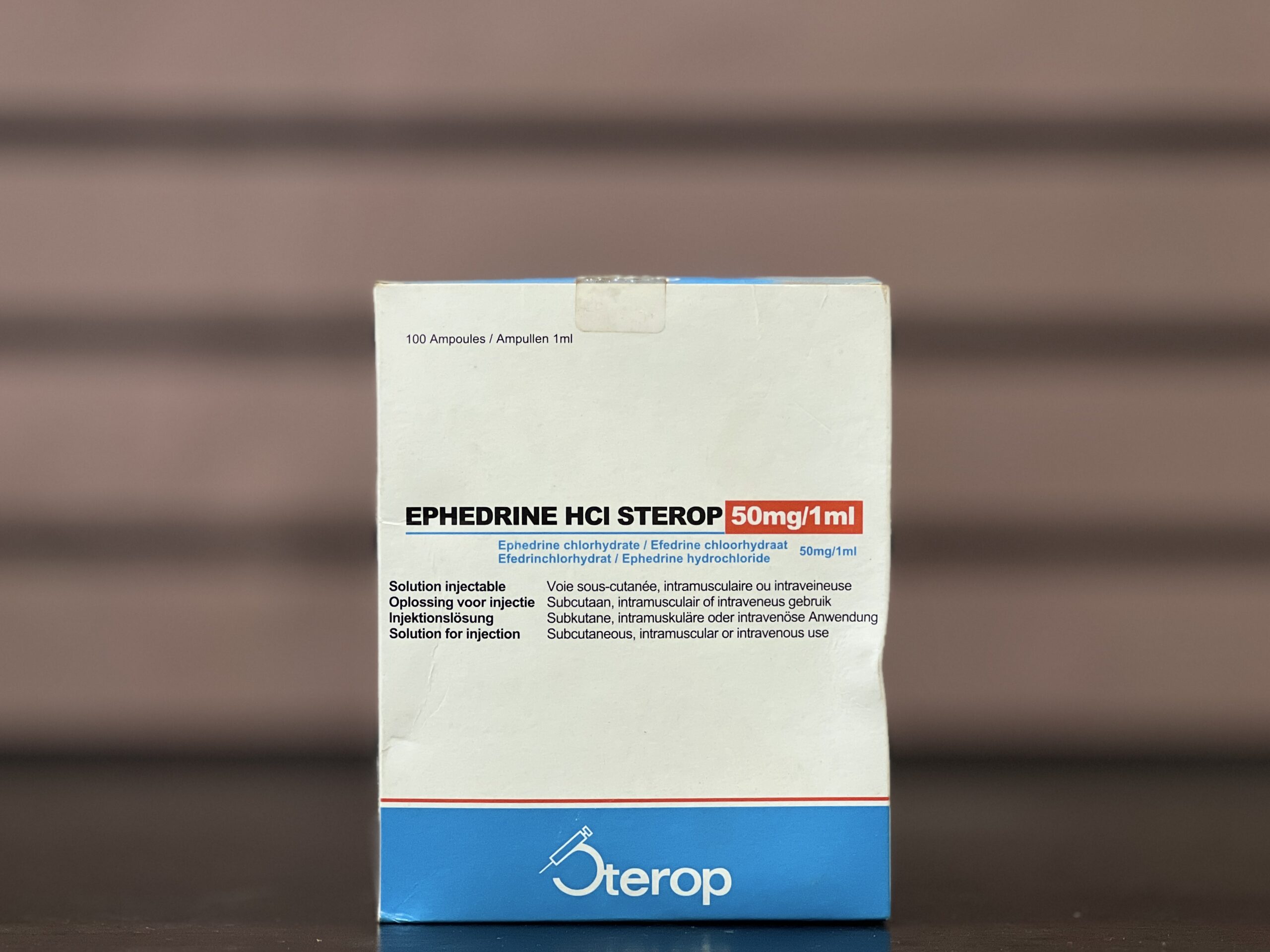
- Ephedrine hydrochloride 30 mg/mL or 50 mg/mL (common strengths in Ghana and BP formulations; e.g., 30 mg/1 mL or 50 mg/1 mL ampoule). Other ingredients: Water for injection, sodium chloride (for isotonicity), and pH adjusters (hydrochloric acid/sodium hydroxide).
Variant:
- Common strengths: 30 mg/mL (1 mL ampoule) or 50 mg/mL (1 mL ampoule); BP standard formulation.
Consume Type:
- Parenteral (intramuscular, subcutaneous, or intravenous injection).
Directions/Usage:
Administered by a doctor/anesthetist only.
- Adults: 3–7.5 mg (up to 10 mg) by slow intravenous injection (or IM/SC); repeat every 3–4 minutes as needed until blood pressure stabilizes (maximum total 30 mg in most cases).
- For hypotension under anesthesia: Titrate to effect (e.g., 5–10 mg IV bolus).
- Children: 0.5–0.75 mg/kg body weight or 17–25 mg/m² body surface area by slow IV (rarely used; consult pediatric specialist).
- Always dilute IV doses if required; give slowly (risk of arrhythmias with rapid bolus).
- Monitor blood pressure continuously during administration.
Common Side Effects:
- Tachycardia (rapid heart rate), palpitations, hypertension (if overdosed), headache, dizziness, anxiety, restlessness, insomnia, nausea, vomiting, sweating, thirst, or difficulty urinating. Rare: Arrhythmias, chest pain, tremor, or allergic reactions.
Package Type:
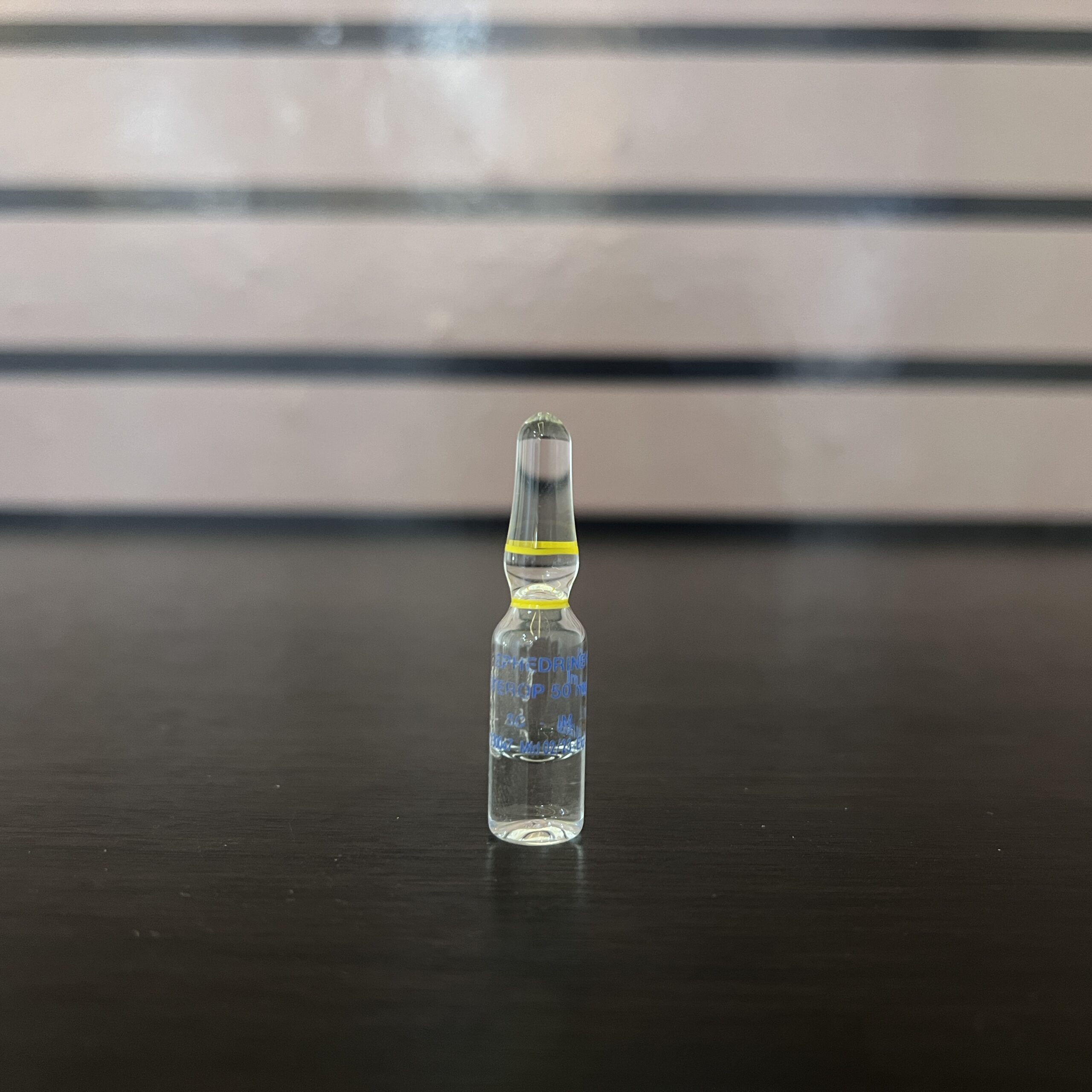
- Clear glass ampoule (1 mL containing 30 mg or 50 mg); packed in boxes of 5, 10, or 25 ampoules.
Storage Advice:
- Store below 30°C in a cool, dry place, protected from light. Do not freeze. Keep in original carton. Use immediately after opening (single-dose ampoule). Keep out of reach of children.
Safety Advice:
- Contraindicated in severe hypertension, tachycardia, hyperthyroidism, closed-angle glaucoma, prostatic hypertrophy, or hypersensitivity. Use caution in cardiovascular disease (e.g., ischemic heart disease, arrhythmias), diabetes (may increase blood sugar), or with MAO inhibitors (risk of hypertensive crisis). Monitor blood pressure and heart rate closely. Avoid in pregnancy unless essential (Category C). Breastfeeding: Avoid (passes into milk). Report chest pain, irregular heartbeat, severe headache, or anxiety immediately. Not for chronic use—short-term only for hypotension correction.
Product Substitutes:
- Ephedrine Hydrochloride Injection 30 mg/mL or 50 mg/mL generics (various importers in Ghana)
- Ephesyl 50mg/mL Injection
- Ephedrine Aguettant or other brands
- Phenylephrine injection (alternative vasopressor for anesthesia hypotension) Consult an anesthetist or pharmacist for available alternatives.
Manufacturer/Marketer:
Country of Origin:




![lavimol [timolol]10ml eye drop](https://www.scabpharmacy.com/wp-content/uploads/2026/03/lavimol-10ml-600x450.jpg)



Reviews
There are no reviews yet.