Description:
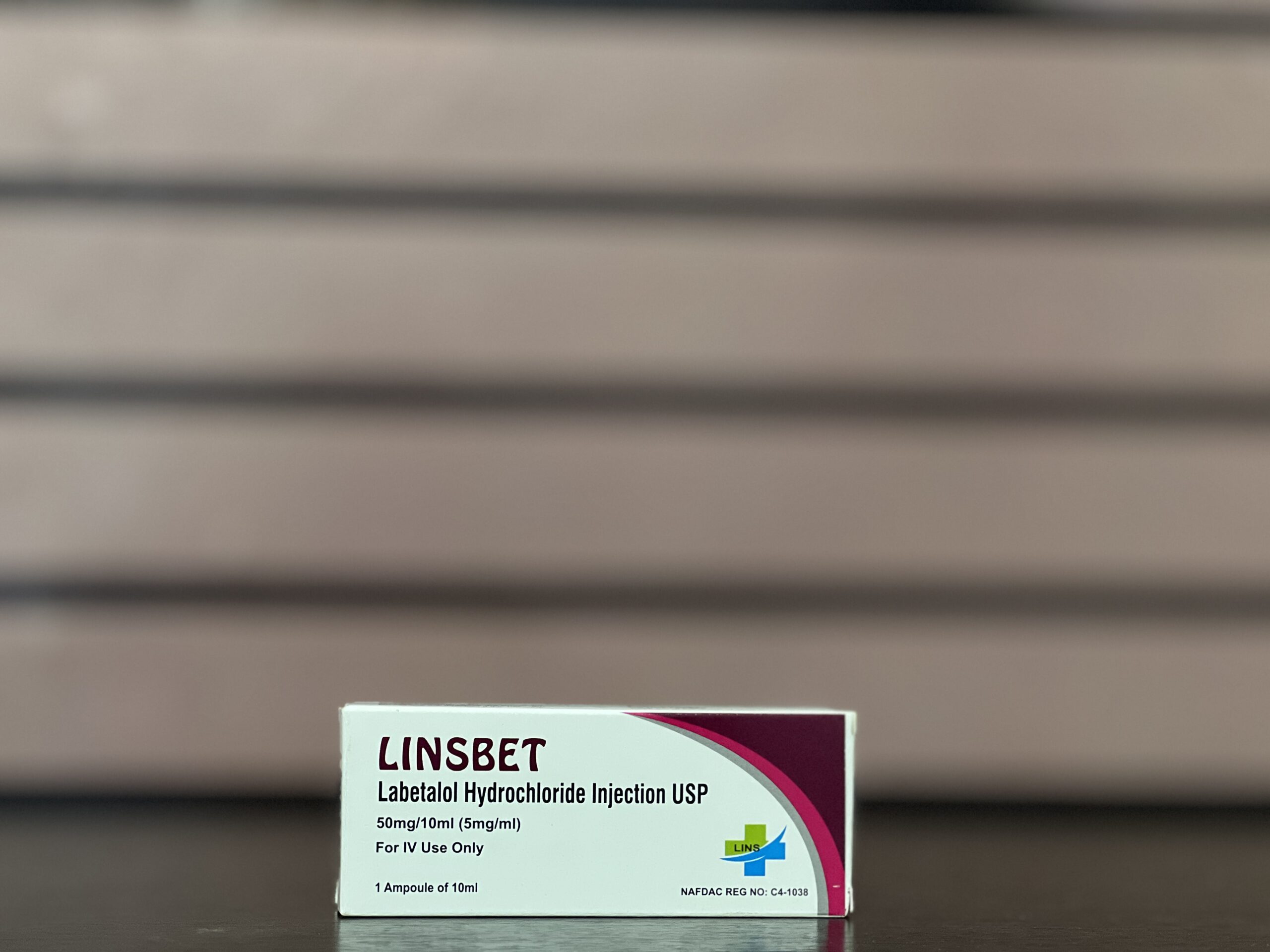
Labetalol hydrochloride 50mg/10ml injection (5mg/ml) is a combined alpha- and beta-adrenergic blocking agent used for the rapid control of severe hypertension, particularly in emergencies such as hypertensive crises, severe hypertension in pregnancy (including pre-eclampsia/eclampsia), hypertensive episodes following acute myocardial infarction, or when prompt blood pressure reduction is essential (e.g., during anesthesia or encephalopathy). It lowers blood pressure by blocking alpha-1 receptors (vasodilation) and beta receptors (reduced heart rate and cardiac output), with a balanced effect to minimize reflex tachycardia.
Prescription:
Therapeutic Category:
- Antihypertensive / Combined Alpha- and Beta-Adrenergic Blocker
Active Ingredients/Composition:
- Labetalol hydrochloride 50 mg per 10 ml ampoule (5 mg/ml).
Variant:
- Standard 50 mg/10 ml (5 mg/ml) solution for injection/infusion in ampoules or vials (glass ampoules or multi-dose vials in some markets; 10 ml or 20 ml presentations common for bolus/infusion use). Preservative-containing (methyl/propylparaben) or preservative-free versions exist depending on manufacturer.
Consume Type:
- Parenteral (Intravenous – IV bolus or infusion; occasionally IM in some protocols but IV preferred)
Directions/Usage:
Administered only in hospital settings by trained personnel with continuous monitoring of blood pressure and heart rate.
- Bolus injection: Initial dose 50 mg (10 ml) IV over at least 1 minute (or slower if needed). Repeat doses of 50–100 mg every 5–10 minutes if required, up to a maximum total of 200–300 mg in most cases (rarely higher in phaeochromocytoma).
- Infusion: Dilute (e.g., 200 mg in 200 ml compatible fluid for 1 mg/ml concentration) and infuse at 2 mg/min (120 ml/hour) initially, titrating to response (up to 160 mg/hour in pregnancy hypertension). Reduce/stop when target BP achieved. Patients should remain supine/left lateral during/after administration to avoid postural hypotension. Transition to oral labetalol for maintenance. Dosage individualized; consult SmPC or physician for exact protocols (e.g., pregnancy: start infusion at 20 mg/hour, double every 30 minutes if needed).
Common Side Effects:
- Hypotension (especially postural), bradycardia, dizziness, headache, fatigue, nausea, vomiting, nasal congestion, or injection site pain. Less common: bronchospasm (in asthmatics), heart block, or fluid retention.
Package Type:
- Single-use glass ampoule of 10 ml (50 mg); often in boxes of 5 or 10 ampoules
Storage Advice:
- Store below 25–30°C in original packaging, protected from light. Do not freeze. Use immediately after opening/dilution or store refrigerated (2–8°C) for up to 24 hours (discard if discolored or particulate). Keep out of reach of children.
Safety Advice:
- For hospital/IV use only under specialist supervision with monitoring facilities. Contraindicated in asthma/COPD history (risk of bronchospasm), uncontrolled heart failure, bradycardia (<45–50 bpm), second/third-degree heart block, cardiogenic shock, severe hypotension, untreated phaeochromocytoma, or hypersensitivity. Caution in diabetes (masks hypoglycemia), renal/hepatic impairment, peripheral vascular disease, or pregnancy (safe and often preferred for severe hypertension in pregnancy). Risk of severe hypotension—keep patient supine. Avoid abrupt withdrawal. Report chest pain, shortness of breath, severe bradycardia, or wheezing immediately. Not for IM/SC in most protocols.
Product Substitutes:
- Generic Labetalol hydrochloride injection 5 mg/ml (various manufacturers)
- Trandate Injection (original brand by Aspen or legacy GSK)
- Labetalol Vega or KMBeta Injection (local brands in Ghana/Africa, e.g., 50 mg/10 ml or 100 mg/20 ml)
- Other IV antihypertensives for emergencies: Hydralazine, nicardipine, or sodium nitroprusside (depending on indication)
Manufacturer/Marketer:
Country of Origin:







Reviews
There are no reviews yet.