Description:
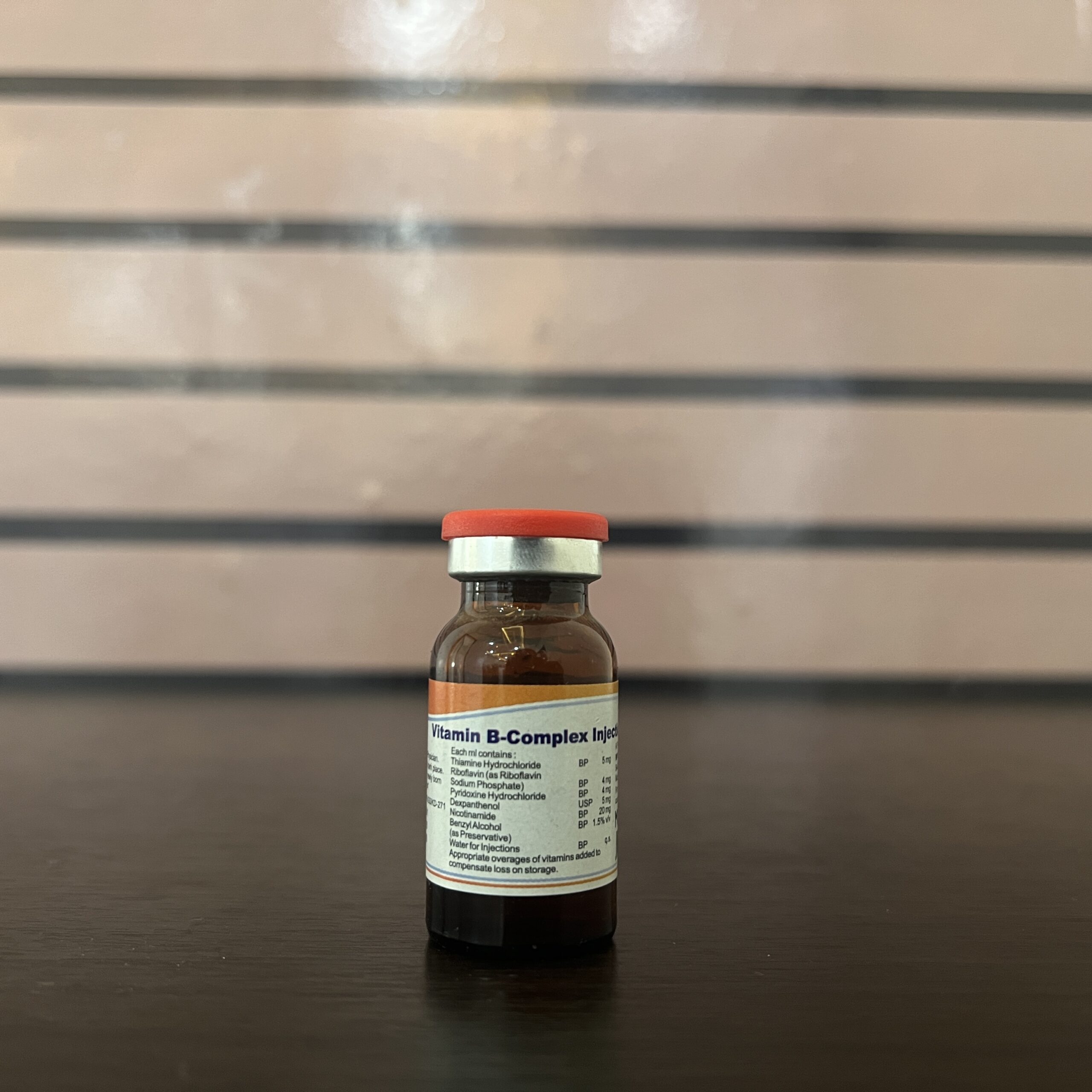
Vitamin B Complex Injection is a sterile injectable formulation containing a mixture of B-group vitamins. It is used to treat or prevent deficiencies of B vitamins, especially in conditions such as malnutrition, malabsorption syndromes, chronic alcoholism, pregnancy, convalescence after illness/surgery, neuropathy (e.g., diabetic or alcoholic), anemia (pernicious or megaloblastic), or when oral intake is inadequate (e.g., severe vomiting, post-operative recovery, or poor appetite).
Prescription:
- Prescription required; administered by healthcare professionals (intramuscular or intravenous).
Therapeutic Category:
- Multivitamin supplement / Vitamin B complex injection (for correction of B-vitamin deficiencies and supportive therapy).
Active Ingredients/Composition:
Typical formulation per 2 mL or 10 mL ampoule (varies slightly by brand):
- Thiamine (Vitamin B1) 10–100 mg
- Riboflavin (Vitamin B2) 2–10 mg
- Nicotinamide (Vitamin B3) 20–100 mg
- Pyridoxine (Vitamin B6) 10–50 mg
- Cyanocobalamin (Vitamin B12) 10–1000 mcg
- Dexpanthenol (Vitamin B5) 5–50 mg (in some formulations) Other ingredients: Benzyl alcohol (preservative), water for injection, sodium chloride, and pH adjusters.
Vitamins:
- Yes – Contains Vitamin B1 (thiamine), B2 (riboflavin), B3 (nicotinamide), B5 (dexpanthenol/pantothenic acid), B6 (pyridoxine), and B12 (cyanocobalamin) in varying amounts.
Variant:
- Standard multi-B vitamin injection (most common 2 mL or 10 mL ampoules); some brands include higher B12 content or added folic acid in specialized variants.
Consume Type:
- Parenteral (intramuscular deep injection preferred; intravenous slow push/infusion in hospital settings).
Directions/Usage: Administered by a doctor/nurse only.
- Adults: 1–2 mL (or 1 ampoule) intramuscularly or intravenously once daily for 5–10 days, then switch to oral if possible.
- Severe deficiency (e.g., Wernicke’s encephalopathy): Higher initial doses (e.g., 100 mg thiamine IV) followed by maintenance.
- Children: Weight-based (0.1–0.5 mL/kg/day) or as prescribed.
- Rotate injection sites to prevent pain/irritation.
- Duration: Short-term (5–14 days) or until oral supplementation is tolerated.
Common Side Effects: Pain/redness/swelling at injection site, flushing (especially with B3/nicotinamide), mild allergic reactions (rash, itching), nausea, or transient hypotension. Rare: Anaphylaxis (severe allergy), urticaria, or bronchospasm.
Package Type:
Storage Advice:
- Store below 30°C in a cool, dry place, protected from light. Do not freeze. Keep in original carton. Use immediately after opening (single-dose ampoule). Keep out of reach of children.
Safety Advice:
- Contraindicated in known hypersensitivity to any B vitamin or components (e.g., benzyl alcohol allergy). Use caution in patients with Leber’s disease (B12 may worsen optic neuropathy), severe liver/renal impairment, or history of allergies. IV administration requires slow injection (risk of anaphylaxis or hypotension). Monitor for allergic reactions during first dose. Pregnancy: Generally safe (Category A/C depending on formulation). Breastfeeding: Safe in usual doses. Report rash, difficulty breathing, swelling, or severe pain at site immediately. Not for routine use—only when deficiency confirmed or oral route not possible.
Product Substitutes:
- Neurobion Injection (Merck)
- Neurovit Injection
- Becefort Injection
- Generic Vitamin B Complex Injection (various importers in Ghana, e.g., Troge, Letap, or Scab-branded)
- Pabiovite 1 & 2 Injection (combination B vitamins) Consult a doctor/pharmacist for available alternatives in Ghana.




![s‑maximus [artemether +lumefantrine] 80/480mg tablet](https://www.scabpharmacy.com/wp-content/uploads/2025/08/s-maximus-80mg-480mg-600x450.jpg)

Reviews
There are no reviews yet.