
September 19, 2026
Prostate-Specific Antigen (PSA) Blood Test Results
Understanding your Prostate-Specific Antigen (PSA) blood test results is crucial for prosta...

SCAB Pharmacy


Welcome to Brain Tumour Awareness Month 2026, a critical period dedicated to shedding light on brain tumours and their profound impact on individuals and families. Throughout this month, we aim to raise awareness, promote early detection, and support research efforts to improve the lives of those affected by brain cancer. Understanding brain tumours is the first step in fighting this challenging disease and ensuring better patient outcomes.
A brain tumour is an abnormal growth of cells that originates in or around the brain, creating a mass that can interfere with normal brain function. These growths can be either benign or malignant. Both types of brain tumours can exert pressure on the delicate brain tissue, leading to a variety of neurological symptoms and affecting how the body works.
| Tumour Type | Description |
|---|---|
| Benign | Non-cancerous |
| Malignant | Cancerous |
| Primary | Begins in the brain itself |
| Secondary (Metastatic) | Spreads to the brain from cancer cells originating in other parts of the body |
The effect of a brain tumour, and its prognosis, depend significantly on its type, location, size, and the suitability of available treatment options.
In Ghana, as in many parts of West Africa, certain types of brain tumours are more commonly observed, posing significant health challenges due to limited access to specialized care. While brain tumours are less common than other cancers, their impact is substantial, and understanding these specific types is crucial for effective diagnosis and treatment strategies within the Ghanaian healthcare system.
The common types of brain tumours observed include:
| Tumour Type | Characteristics |
| Gliomas | Prevalent malignant brain tumours originating from glial cells that support neurons. |
| Meningiomas | Typically benign tumours arising from the meninges, the membranes that surround the brain and spinal cord. |
Recognizing the symptoms of a brain tumour is vital for early detection, which can significantly improve the prognosis and treatment outcomes. Brain tumour symptoms vary widely depending on the tumour’s size, location, and rate of growth. Common signs include persistent headaches, often worse in the morning or with physical activity, and early morning vomiting. Seizures or fits, along with swelling or weakness in one part of the body, are also significant indicators of a potential brain tumour disorder. Other symptoms can manifest as balance problems, memory changes, and difficulty with speech. Vision problems, such as blurry vision, double vision, or even vision loss, can occur. Additionally, cognitive or personality changes, including memory loss, confusion, and mood swings, are frequently noted. World Brain Tumour Day on 8 June serves as an important reminder to take unusual brain-related symptoms seriously, as an early diagnosis can clarify treatment planning and potentially reduce avoidable neurological damage, improving the patient’s quality of life.
The prevalence and incidence rates of brain tumours in Ghana, though less comprehensively documented than in some Western nations, indicate a growing health challenge. Data from sources like the Ghana Health Service and regional WHO Africa reports suggest that while brain tumours may not be as common as other cancers, their impact on patient health and healthcare infrastructure is substantial. Accurate statistics are crucial for effective public health planning and for raising awareness about these complex conditions, especially during Brain Tumour Awareness Month 2026. Efforts to gather more precise data are essential to understand the full scope of brain cancer in the region and to tailor treatment options accordingly.
West Africa faces numerous health challenges regarding brain tumours, largely due to limited access to specialized care and diagnostic tools. Patients often experience significant delays in diagnosis, which can worsen the prognosis and limit treatment options available for their specific stage of brain tumour. Financial constraints also play a major role, as many individuals struggle to afford the necessary scans, surgeries, and therapies. These challenges underscore the importance of initiatives to raise awareness and improve healthcare infrastructure. Addressing these systemic issues is crucial to enhancing the quality of life and survival rates for those affected by brain cancer in the region.
Access to specialized care for brain tumours in Ghana is primarily concentrated in major teaching hospitals such as Korle Bu Teaching Hospital. These institutions offer various treatment options, including surgery, radiation therapy, and chemotherapy. However, their limited number means that many patients in rural areas face significant hurdles in accessing timely and appropriate care. Improving the availability of diagnostic tools like MRI and CT scans, along with increasing the number of trained neurosurgeons and oncologists, is vital. Continued support and investment in the healthcare system are necessary to ensure that more individuals can receive the best possible treatment for brain cancer.
In Ghana, the primary treatment options for brain tumours include sophisticated surgical procedures and targeted radiation therapy. Surgical intervention often involves microsurgical removal to meticulously excise the tumour while preserving critical brain function. Endoscopic surgery and stereotactic biopsy are also employed for precise diagnosis and less invasive removal when appropriate. Following surgery, or in cases where a tumour cannot be fully removed, radiation therapy uses high-energy rays to destroy remaining cancer cells or to prevent further growth. These vital treatment modalities aim to manage the tumour’s impact and improve the patient’s prognosis, ensuring the best possible care for those affected by brain cancer.
Chemotherapy plays a crucial role in the comprehensive treatment of brain tumours, particularly for malignant types. This treatment option involves using powerful drugs designed to target and kill fast-growing cancer cells throughout the body. In Ghana, chemotherapy services are available in major teaching hospitals like Korle Bu Teaching Hospital, where patients receive carefully administered cycles of medication. While chemotherapy can be challenging due to its side effects, it is often combined with other therapies, such as surgery and radiation, to enhance treatment effectiveness and improve patient survival rates, offering a vital component in the fight against brain cancer.
Patients in Ghana facing a brain tumour diagnosis often encounter significant challenges that can impact their access to timely and effective treatment. Delays in diagnosis are common, primarily due to limited diagnostic tools and specialized personnel, which can worsen the prognosis. The financial constraints associated with extensive scans, surgery, radiation therapy, and chemotherapy pose a substantial burden on many families. These hurdles highlight the importance of initiatives that aim to raise awareness and improve the healthcare infrastructure to ensure that more individuals can receive the best possible care and improve their quality of life.
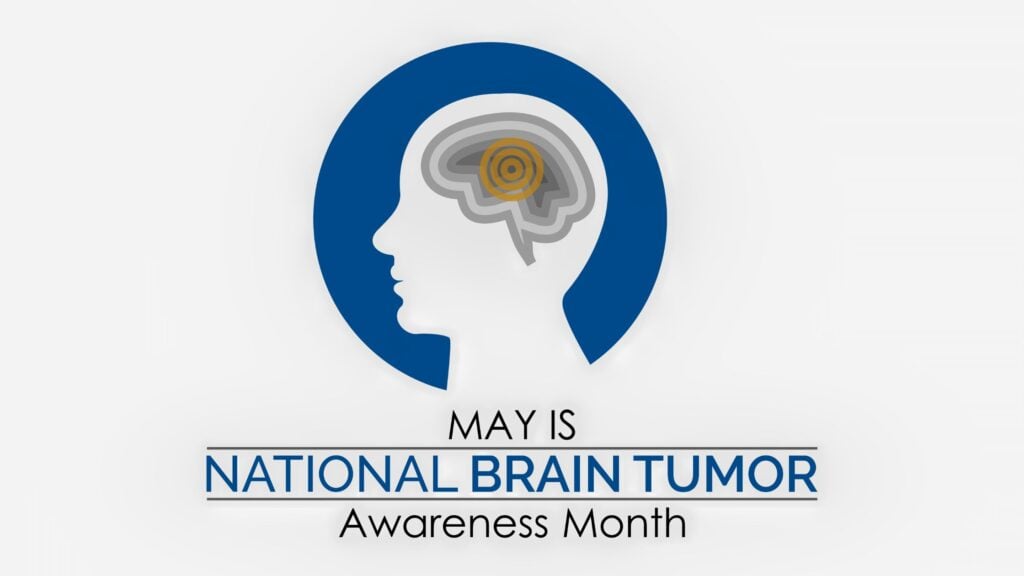
Brain Tumour Awareness Month is a dedicated period crucial for raising public awareness about brain tumours, their impact, and the critical importance of research. During this time, efforts are focused on educating the public about symptoms, which are often mistaken for more common problems, leading to delayed diagnosis. Enhanced awareness leads to earlier detection and faster treatment decisions, significantly improving patient outcomes. The overarching goal is to educate, advocate, and support those affected by brain cancer while advancing research to find better treatments and ultimately a cure for this complex disease, ensuring a better quality of life for all patients.
Community support systems are indispensable for individuals and families affected by brain tumours. Organizations like The Brain Tumour Charity advocate for increased funding for brain tumour research and encourage public engagement through various campaigns. Throughout Brain Tumour Awareness Month, these groups amplify their efforts to share patient stories and fundraise for crucial research. Engaging on social media, participating in events like a 5K & Walk of Hope, and initiating fundraisers can collectively help support patients, their families, and advance brain tumour research. Every like, comment, and share contributes significantly to raising awareness and fostering a strong sense of community.
In Ghana, local Non-Governmental Organizations (NGOs) play a pivotal role in complementing governmental efforts to address the challenges posed by brain tumours. These NGOs often focus on specific areas such as patient advocacy, providing support groups for those living with brain cancer, and facilitating access to information about treatment options and care. Many work to raise awareness within local communities about the early signs and symptoms of brain tumours, encouraging prompt medical consultation. Their dedicated efforts are crucial in bridging gaps in healthcare access and providing much-needed emotional and practical support to patients and their families, improving overall patient care.
Globally, the survival rates for adults with a brain tumour, particularly glioblastoma, have unfortunately seen less improvement compared to other cancers over the past four decades. While advanced treatment methods at institutions like St. Jude have shown significant increases in survival rates, this progress is not uniformly replicated worldwide. The table below illustrates some observed survival improvements in the brain tumour community over the years.
| Patient Risk Group (St. Jude, 2006) | Survival Rate Improvement |
|---|---|
| Average-risk | 85% |
| High-risk | 70% |
In Ghana, the disparity in healthcare infrastructure means that while there is an ongoing fight against brain cancer, the survival rates can lag behind those in more developed regions, underscoring the critical importance of early diagnosis and access to comprehensive treatment options to improve patient outcomes.
The quality of healthcare infrastructure profoundly impacts the survival rates and overall prognosis for individuals affected by a brain tumour. A multispecialty hospital system, like the one offered by PSRI Hospital, is highly beneficial as it integrates neurology, neurosurgery, imaging, ICU support, oncology planning, and rehabilitation under one cohesive system. This coordinated approach, featuring dedicated neuro operation theatres, advanced imaging, and image-guided neurosurgery, significantly enhances the effectiveness of brain tumour treatment. In Ghana, the development and expansion of such integrated care setups are crucial to ensure that patients receive comprehensive and timely treatment, thereby improving their chances of survival and quality of life.
While medical treatment is paramount, the role of nutrition and lifestyle in supporting brain health and potentially influencing outcomes for those living with a brain tumour should not be overlooked. Maintaining a balanced dietary intake and engaging in regular exercise can contribute to overall well-being, which is vital during and after cancer treatment. It’s important to note that while these factors can support general health, there is no verified evidence suggesting specific nutrition or lifestyle changes can prevent brain tumours or act as a cure. Nevertheless, adopting healthy habits can help manage symptoms, enhance resilience, and improve a patient’s quality of life throughout their brain tumour journey.
Seeking medical advice promptly is one of the most critical steps in managing a potential brain tumour diagnosis and can ultimately help in the quest to cure brain disorders. If symptoms such as persistent headaches, memory issues, speech difficulties, vision changes, or unexplained weakness are repeating, worsening, or beginning to affect daily life, it is imperative to get checked early. Early detection provides doctors with a clearer path to plan the right treatment, significantly lowering the chance of lasting brain or nerve damage. A person who seeks medical attention after one or two symptoms generally has a better prognosis than someone who has endured months of worsening signs, making timely consultation with a doctor essential to rule out a brain tumour.
Supporting local initiatives and organizations dedicated to brain tumour awareness and research is vital for advancing the fight against brain cancer. Organizations like The Brain Tumour Charity actively campaign for increased funding for brain tumour research and encourage individuals to write to their local representatives in support of this cause. Donations, whether they help provide Brain Tumour Information Packs, cover costs for DNA preservation tubes in clinical trials, or supply ‘brainy bags’ and teddy bears to children facing a diagnosis, make a tangible impact. Furthermore, campaigning for change by urging policymakers for faster diagnosis and better treatment options is a powerful way to ensure that brain tumour patients receive the best possible care.
Encouraging community involvement is a powerful way to amplify brain tumour awareness and support those affected. Individuals can get involved through various activities, such as organizing a “Twilight Walk” or participating in “The Big Bake” events to raise funds. Ordering and distributing “Better Safe Than Tumour” packs helps spread crucial information about the signs and symptoms of brain tumours. Engaging on social media by following, sharing posts, and utilizing relevant hashtags like #BrainTumourAwareness can significantly spread awareness of brain tumours to a wider audience. Furthermore, signing up for events like the 5K & Walk of Hope and starting a fundraiser, or sharing personal stories, are impactful ways to create meaningful change and improve patient outcomes.

Understanding your Prostate-Specific Antigen (PSA) blood test results is crucial for prosta...
SCAB Pharmacy
Thyroid Cancer Awareness Month serves as a crucial reminder for everyone, particularly in G...
SCAB Pharmacy
Taking proactive steps for your health is crucial, and understanding the necessary screenin...
SCAB Pharmacy

Do you have any questions? Do not hesitate to contact us.
