
September 19, 2026
Prostate-Specific Antigen (PSA) Blood Test Results
Understanding your Prostate-Specific Antigen (PSA) blood test results is crucial for prosta...

SCAB Pharmacy


Cerebrovascular disease poses a significant public health challenge in Ghana, demanding increased awareness regarding its causes, symptoms, and available treatment options. This article aims to provide comprehensive information to help individuals and caregivers understand this complex group of conditions, ultimately contributing to better prevention and management strategies within the Ghanaian context.
Cerebrovascular disease is an overarching term encompassing various medical conditions that specifically impact the blood vessels of the brain and the entire cerebral circulation. In these disorders, the arteries responsible for supplying vital oxygen and nutrients to the brain frequently become damaged or deformed, potentially leading to a reduction of blood flow to your brain, known as ischemia, or causing bleeding, referred to as hemorrhage, within a specific part of your brain.
Stroke is undeniably the most prevalent type of cerebrovascular disease, but the category also includes a range of other serious conditions. These cerebrovascular disorders include vascular dementia, transient ischemic attack (TIA) or mini stroke, and subarachnoid hemorrhage (SAH). Furthermore, conditions such as stenosis, which signifies a narrowing of an artery, and an aneurysm, where a blood vessel swells or forms a balloon-like bulge within the brain, are also considered forms of this complex disease.
An ischemic stroke, representing approximately 87% of all stroke cases, occurs when a blood vessel in the brain becomes blocked, effectively starving the brain of essential oxygen. This blockage is often caused by thrombosis, where a clot forms within the brain’s blood vessel, or by emboli, which are clots that travel from a proximal arterial source or the heart. A tear in the lining of the carotid artery, a major artery supplying the brain, can also lead to an ischemic stroke.
Hemorrhagic stroke, though less common than its ischemic counterpart, is often more deadly, resulting from bleeding either into or around the brain. This severe type of stroke occurs when a blood vessel ruptures, leading to an uncontrolled bleed. Hemorrhagic strokes often manifest with a very severe, sudden headache, frequently accompanied by vomiting, neck stiffness, and a decreased level of consciousness. Intracerebral hemorrhage, a specific type, involves bleeding directly into the brain tissue.
Cerebrovascular disease can stem from a variety of underlying causes, often leading to a stroke or other cerebrovascular events. One primary cause involves a blood clot that spontaneously forms within a blood vessel in the brain, known as thrombosis, which can restrict blood flow and cause ischemia. Alternatively, a blood clot might travel to the brain from elsewhere in the body, an event termed embolism, leading to an ischemic stroke. The rupture of a blood vessel, resulting in hemorrhage, is another significant cause, often leading to a hemorrhagic stroke. Plaque buildup in the arteries, a condition called atherosclerosis, is a major contributing factor to the narrowing of blood vessels, impacting cerebral circulation. Structural problems in the brain’s blood vessels, such as aneurysms or arteriovenous malformations, and traumatic brain injury can also contribute to cerebrovascular disease. Hypertension, or high blood pressure, is the most important contributing risk factor for all types of cerebrovascular disease, including lacunar strokes., altering vessel structure and promoting atherosclerosis. Less common causes of cerebrovascular disease include congenital or idiopathic conditions such as CADASIL, amyloid angiopathy, fistulas, and arterial dissections.
In Ghana, several prevalent risk factors significantly contribute to the burden of cerebrovascular disease, including ischemic stroke and hemorrhagic stroke, which are exacerbated by hypertension and rheumatic heart disease. These factors often reflect a complex interplay of genetic predispositions, lifestyle choices, and socioeconomic determinants. Understanding these specific risk factors is crucial for developing targeted prevention strategies and public health interventions aimed at reducing the incidence and severe complications associated with cerebrovascular disease in the local population. Modifiable risk factors, in particular, offer opportunities for intervention and education.
Hypertension, or high blood pressure, stands as the most critical contributing risk factor for stroke and all cerebrovascular diseasesThis process leads to profound changes in the structure of blood vessels and significantly accelerates atherosclerosis, which is a common feature of vascular disease. Consistently elevated blood pressure can weaken and damage vessel walls, increasing the risk of tearing and subsequently a hemorrhagic stroke, thereby contributing to cardiovascular disease. It is a major modifiable risk factor for the development of atherosclerosis and its complications. Diabetes is another significant risk factor that markedly increases the likelihood of cerebrovascular disease. Individuals with diabetes are at a higher risk of experiencing both ischemic stroke and hemorrhagic stroke. Effective management of blood pressure and blood sugar levels is therefore paramount in preventing the onset and progression of cerebrovascular disease.
Smoking is a well-established and significant modifiable risk factor that substantially contributes to the development of cerebrovascular disease, including various forms of stroke, particularly in patients with cardiovascular disease. It accelerates atherosclerosis, damaging artery walls and promoting clot formation, which can lead to an ischemic stroke. High cholesterol levels, specifically those at 240 milligrams per deciliter (mg/dL) or higher, are also linked to an increased risk of stroke. This condition, known as hyperlipidemia, signifies elevated fats in the blood, which contributes to plaque buildup in the arteries and the overall progression of atherosclerosis, thereby heightening the risk for cerebrovascular events.
Several lifestyle factors significantly increase the risk of developing atherosclerosis and, consequently, cerebrovascular disease. These modifiable risk factors include obesity, a diet rich in saturated fat, and a sedentary lifestyle characterized by physical inactivity. A poor diet, often lacking in essential nutrients and high in unhealthy fats and sodium, coupled with a lack of regular exercise, are critical contributors to the risk of stroke. To prevent or manage cerebrovascular disease, individuals are strongly advised to limit alcohol consumption, refrain from using recreational drugs, maintain a healthy weight through balanced nutrition and regular physical activity, and develop effective strategies for reducing chronic stress.
The symptoms of cerebrovascular disease can be diverse, depending on which area of the brain is affected and the specific type of cerebrovascular event, such as an ischemic stroke or hemorrhagic stroke. Common stroke symptoms include sudden weakness or paralysis on one side of the body or face, difficulty speaking or understanding speech (aphasia), slurred speech (dysarthria), and sudden loss of vision or double vision. Other critical signs might include a severe headache, problems with balance, and sensory changes on one side of the body. Recognizing these signs early is crucial for timely medical intervention to prevent a secondary stroke or cerebrovascular event.
A transient ischemic attack (TIA), often referred to as a “mini-stroke,” serves as a critical warning sign for future ischemic stroke and highlights the importance of anticoagulation therapy. In a TIA, blood flow to a specific region of the brain is temporarily blocked, but unlike a full stroke, the obstruction is quickly resolved, and the brain tissue recovers without infarction. The symptoms of a TIA are identical to those of a stroke, but they are transient, lasting only a few minutes to an hour, and leave no permanent neurological deficits. Despite their temporary nature, TIAs demand immediate medical attention to identify and manage underlying risk factors, thereby helping to prevent a more severe cerebrovascular attack, especially in patients with rheumatic heart disease.
Cerebrovascular disease is a severe medical emergency that necessitates prompt treatment to prevent irreversible brain damage and long-term complications, including the risk of lacunar strokes. If the blood supply to the brain is impeded, as occurs in an ischemic stroke, brain cells quickly suffer injury and energy failure, leading to rapid cell death, which are significant causes of stroke. Restoring blood flow as soon as possible is paramount to preserving brain function. The American Stroke Association advocates using the F.A.S.T. acronym—Face drooping, Arm weakness, Speech difficulty, Time to call 911—to identify stroke symptoms, emphasizing the urgency required for timely medical care.
The accurate diagnosis of cerebrovascular disease, including ischemic stroke and hemorrhagic stroke, relies on a combination of medical history, thorough physical and neurological examinations, and advanced imaging. In Ghanaian healthcare settings, common diagnostic methods for cerebrovascular disease include Head Computed Tomography (CT) scans, which are excellent for detecting hemorrhage, and Brain Magnetic Resonance Imaging (MRI), providing more detailed views of brain tissue and early ischemic changes. Further specialized tests like Head & neck CT angiography (CTA), Magnetic Resonance Angiography (MRA), Digital Subtraction Angiography (DSA), and Duplex ultrasound are also employed to assess the cerebral blood vessels and identify conditions such as stenosis or aneurysms.
CT scans play a vital role in the initial assessment of acute stroke symptoms in Ghana, primarily because they can quickly distinguish between a hemorrhagic stroke and an ischemic stroke. A CT scan effectively identifies blood, bone, and brain tissue, making it invaluable for detecting fresh bleeding, a critical finding in hemorrhagic stroke. While CT scans might not always reveal damage from an ischemic stroke in its very early stages, MRI scans offer superior soft tissue contrast and are capable of detecting even early-stage ischemic changes, providing a more comprehensive view of brain injury and helping to guide subsequent treatment for cerebrovascular disease.
Neurovascular imaging encompasses advanced techniques crucial for thoroughly assessing the blood vessels supplying the brain, helping to identify the specific cause and extent of cerebrovascular disease. Methods such as Magnetic Resonance Angiography (MRA) and Computed Tomography Angiography (CTA) provide detailed images of the cerebral arteries and veins, enabling the detection of stenoses, aneurysms, and other vascular abnormalities. These specialized imaging studies are instrumental in guiding treatment decisions, particularly in cases where surgical intervention or endovascular therapy is considered for conditions like complex aneurysms or severe arterial blockages, thereby improving the management of cerebrovascular disease.
Emergency interventions are critical for minimizing damage following an acute stroke, particularly in cases of ischemic stroke or hemorrhagic stroke. For an acute ischemic stroke, administering tissue plasminogen activator (tPA) to dissolve blood clots is a common treatment, with its effectiveness highly dependent on timely administration. Another advanced emergency stroke treatment is catheter-directed mechanical thrombectomy, where a catheter is inserted into an artery to remove the blood clot. In cases of brain hemorrhages, a neurosurgeon may perform surgery to alleviate increased pressure caused by the bleed, helping to prevent further damage to the brain and improve patient outcomes in cerebrovascular disease.
Treatment for cerebrovascular disease often involves a combination of medication, lifestyle changes, and sometimes surgery. Medications such as antiplatelets, including aspirin and clopidogrel, are crucial for preventing blood clots, while anticoagulants like heparin and warfarin are used as blood thinners. Managing blood pressure is paramount, with antihypertensives such as ACE inhibitors, beta blockers, and calcium channel blockers widely prescribed; Nimodipine is particularly used for subarachnoid hemorrhage to reduce ischemic deficits. Anti-diabetic medications are also essential for individuals with diabetes, and statins are prescribed to lower and manage high cholesterol levels, all contributing to the effective management of cerebrovascular disease.
Surgical options for cerebrovascular disease aim to prevent future stroke or address acute conditions, especially in patients with underlying cardiovascular disease. These include endovascular surgery and vascular surgery. Procedures like carotid angioplasty, involving a balloon-tipped catheter to open a narrowed artery, carotid endarterectomy, where plaque is surgically removed from the carotid artery, and carotid stenting, which places a metal tube to improve blood flow, are crucial for prevention. Catheter-directed mechanical thrombectomy is a surgical intervention for blood clot removal in acute ischemic stroke, particularly in cases of vascular disease. After a cerebrovascular event, comprehensive rehabilitation, including physical therapy, speech therapy, occupational therapy, and psychological therapy, is vital for recovery and improving long-term outcomes.
Adopting a healthy lifestyle is the best defense against cerebrovascular disease. This involves diligently managing high blood pressure, following a diet low in salt, fat, and calories, and engaging in regular exercise. Limiting alcohol intake, avoiding recreational drugs, and maintaining a healthy weight are also crucial. Effective management of blood sugar and cholesterol levels, along with quitting smoking and reducing chronic stress, are fundamental preventive measures that significantly lower the risk of stroke and other cerebrovascular complications, promoting overall cerebral and cardiovascular health.
In Ghana, government initiatives are crucial for reducing the burden of cerebrovascular disease by focusing on public health education and improving access to stroke care. These programs often include awareness campaigns about hypertension and diabetes, which are major risk factors. Community support systems, including local health centers and non-governmental organizations, play a vital role in providing screening, follow-up care, and rehabilitation services. By fostering a collaborative environment, these initiatives aim to enhance early diagnosis, improve management of risk factors, and ensure better outcomes for individuals affected by cerebroascular disease.
Individuals should prioritize regular checkups with their healthcare provider to discuss medical and family history, assessing their personal risk for cerebrovascular disease. For conditions like heart arrhythmia, taking prescribed blood thinners is crucial for prevention. The American Stroke Association recommends using the F.A.S.T. acronym—Face drooping, Arm weakness, Speech difficulty, Time to call 911—to identify stroke symptoms and emphasizes calling 911 immediately if these signs are noticed. Following healthy lifestyle tips and adhering to a doctor’s instructions are paramount in reducing the chance of a cerebrovascular attack and ensuring timely intervention.

Understanding your Prostate-Specific Antigen (PSA) blood test results is crucial for prosta...
SCAB Pharmacy
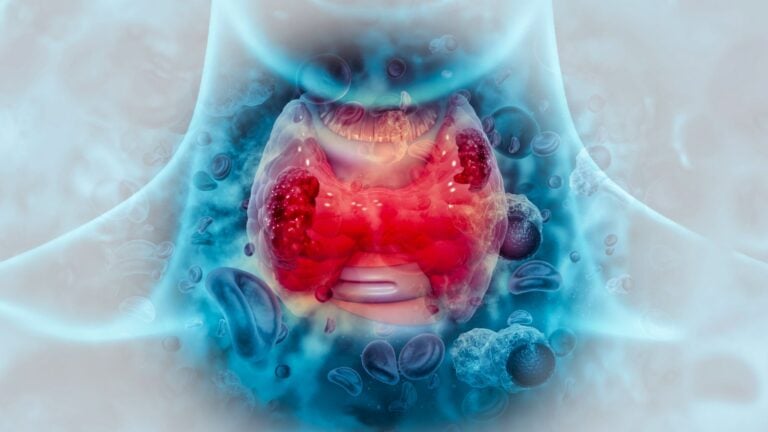
Thyroid Cancer Awareness Month serves as a crucial reminder for everyone, particularly in G...
SCAB Pharmacy
Taking proactive steps for your health is crucial, and understanding the necessary screenin...
SCAB Pharmacy

Do you have any questions? Do not hesitate to contact us.
