
August 21, 2026
Benign Prostatic Hyperplasia (BPH): Symptom, Treatment & Management
Understanding benign prostatic hyperplasia, commonly known as BPH or an enlarged prostate, ...

SCAB Pharmacy
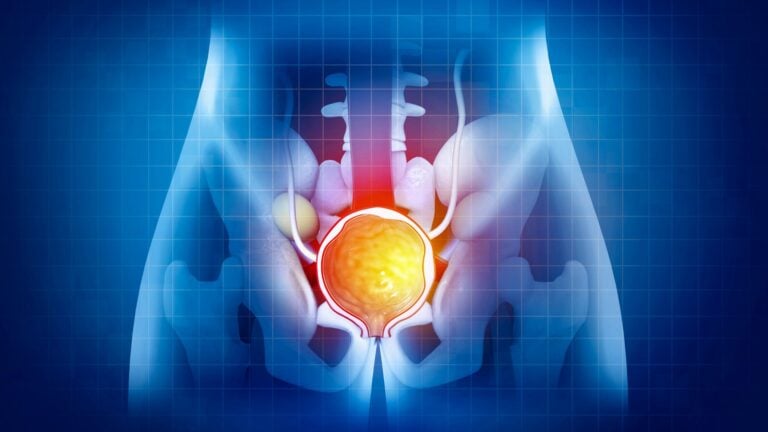

Chronic back pain is a pervasive issue affecting millions worldwide, presenting a significant challenge to daily life and overall well-being. This article aims to shed light on the intricacies of chronic back pain, exploring its underlying causes, diverse symptoms, and the various medical treatments available, alongside practical home relief strategies to help individuals manage and alleviate persistent back discomfort.
Chronic back pain is defined as persistent or recurring pain that affects any area of your spine or the surrounding muscles, nerves, and tissues, lasting for 12 weeks or longer. This type of pain can emerge quickly or gradually and, unlike acute discomfort, often requires a different approach to management to effectively relieve back pain. The spine, an intricate structure of 24 individual vertebrae, intervertebral discs, ligaments, tendons, and muscles, extends from the neck to the buttocks, and while back pain can manifest anywhere along its five regions (cervical, thoracic, lumbar, sacrum, and coccyx), it most commonly affects the lower back. This persistent lower back pain can significantly impact daily activities and overall quality of life.
Distinguishing between chronic and acute back pain is crucial for understanding effective treatment strategies. Acute back pain typically has a clear cause, such as an injury or accident, and lasts for a short duration, usually a few days to a few weeks. Subacute back pain falls in between, lasting from 4 to 12 weeks, and may cause pain that affects daily activities. In contrast, Chronic back pain persists for more than three months, or 12 weeks, and often occurs daily, which may link to various underlying conditions. This prolonged duration means that chronic pain is often managed differently, focusing on long-term relief and improved function rather than immediate, short-term resolution, even if the initial cause was similar to acute back pain.
The causes of chronic back pain are varied and can stem from age-related degeneration or specific injuries. Arthritis of the spine, characterized by the gradual thinning of cartilage, is a common culprit, as is Spinal stenosis can be a significant condition that contributes to low back pain and may require specialized intervention., which involves the narrowing of the spinal canal and can lead to nerve pain. Disc problems, such as a herniated or bulging disc, can cause pain that significantly contributes to low back pain., are also frequently implicated, causing significant discomfort. Myofascial pain syndrome, defined by muscle pain and tenderness without an identifiable clear cause, can contribute to chronic back pain. While pinpointing the exact cause can sometimes be challenging, factors like soft tissue injuries, stress, poor posture, lack of exercise, and even mental health conditions such as anxiety or depression may worsen non-specific back pain. Very rarely, severe conditions like spinal infections or cancer are underlying causes, highlighting the importance of thorough medical evaluation.
Chronic back pain can manifest in diverse ways, ranging from localized discomfort to widespread pain that radiates across the back and even into other areas of the body, such as the buttocks, legs, or abdomen, often presenting as sciatica-type nerve pain. The intensity of this pain, which can be aching, stiff, burning, or sharp, varies significantly among individuals, depending on the underlying cause and location. Some people experience worsening lower back pain with activities like lifting or bending, while others find that prolonged resting, sitting, or standing exacerbates their symptoms. Early morning stiffness that improves with activity is also a common symptom, as is the experience of low back pain. numbness or weakness in the legs or feet, which should prompt medical attention.
It is crucial to recognize “red flag” symptoms that necessitate immediate medical assessment. If chronic back pain is accompanied by new loss of bladder or bowel control, difficulty starting urination, numbness around the groin, genitals, or inner thighs, or new/worsening weakness in both legs, urgent medical care is required. Similarly, severe pain after a major fall, fever, unexplained weight loss, a history of cancer with new back pain, or severe night pain that is unusual for the person should prompt immediate consultation with a doctor. In Ghana, for such emergencies, one should contact local emergency services or proceed to the nearest emergency department for prompt diagnosis and treatment.
Chronic back pain significantly affects an individual’s daily life, often leading to difficulties with work, sleep, and routine activities. The persistent pain can reduce movement, making simple tasks challenging and affecting overall productivity. It is recognized as a leading cause of disability worldwide, with many experiencing a heightened risk of psychological distress, including depression and anxiety, which can, in turn, exacerbate the pain experience. Managing chronic lower back pain often involves seeking ways to improve daily function, requiring thoughtful adjustments to daily routines and potentially an ergonomic workstation to provide better back support.
When seeking care for chronic back pain, the initial consultation with a qualified clinician or medical officer in Ghana is a crucial first step. During this visit, the doctor will conduct a thorough medical history, asking detailed questions about the duration, location, and triggers of your pain, as well as any work demands, previous injuries, sleep patterns, general health, and current medications. A physical examination will also be performed, which may include assessing movement, muscle strength, reflexes, and sensation to better understand the nature of your back pain and guide the appropriate treatment plan.
In most cases of chronic back pain, advanced imaging tests such as X-rays, CT scans, or MRI scans are not immediately necessary for diagnosis. A clinician may consider these tests if “red flag” symptoms are present, if your symptoms persist despite appropriate care, if neurological problems are suspected, or if the results would directly alter the treatment approach. It is important to remember that imaging findings, such as disc bulges or degenerative changes, are common, especially with age, and do not always correlate with the presence or severity of pain, so a careful evaluation of symptoms remains paramount.
A comprehensive evaluation of your symptoms and medical history forms the cornerstone of diagnosing chronic back pain. The doctor will delve into the characteristics of your pain – whether it’s aching, sharp, or burning, and if it spreads to your legs, indicative of sciatica. They will also inquire about any numbness, tingling, or weakness. Understanding your work and daily activities, any past injuries, and your general health condition, including sleep quality and stress levels, can provide valuable insights into potential contributors to your persistent back pain. This holistic approach helps in formulating an individualized treatment plan that addresses all aspects of your health.
Non-surgical approaches are often the first line of treatment for chronic back pain, aiming to provide relief and improve functionality without invasive procedures. Exercise, particularly under the guidance of a physician or spine physical therapist, is foundational and tailored to specific symptoms and comfort levels to effectively relieve back pain. Mindfulness and meditation can help manage the psychological aspects of persistent pain, such as frustration and irritability. Consulting a doctor to assess the impact of diet and making appropriate lifestyle modifications, such as pacing oneself and taking breaks during strenuous activities, can also significantly improve chronic back pain. For known pain sources, trigger point injections or nerve blocks may be considered, while alternative treatments like acupuncture or massage can offer additional relief.
Physical therapy and exercise are paramount in the management of chronic back pain. Under the expert guidance of a physiotherapist or medical officer in Ghana, a tailored exercise program can be developed, focusing on core strengthening, stretching, and flexibility exercises. Consistent adherence to an at-home exercise routine is crucial for maintaining spinal health and stability. Activities such as walking, swimming, and gentle mobility work are often recommended to keep the spine active, as prolonged rest can sometimes exacerbate back pain. The goal is to gradually improve movement, reduce stiffness, and strengthen the muscles that support the spine, leading to long-term pain relief and better functional ability.
Medications can play a role in managing chronic back pain, but they are typically used as part of a broader treatment plan and under strict medical supervision. Non-steroidal anti-inflammatory drugs (NSAIDs), available as oral tablets or topical creams, may help reduce pain and inflammation for some individuals. However, it is essential to consult with a licensed clinician or pharmacist in Ghana to discuss potential side effects, interactions, and suitability, especially for those with pre-existing conditions or during pregnancy. Opioid medications are generally not recommended as a first-line treatment for chronic back pain due to their risks, including dependence and overdose. Your doctor may also consider muscle relaxants or nerve pain medications, always aiming for the lowest effective dose to minimize side effects.
For individuals experiencing lower back pain, several practical home strategies can provide relief and help manage symptoms. Staying physically active, rather than resorting to prolonged bed rest, is often more effective, as movement can help ease stiffness and improve circulation. Regular movement breaks, especially if you have a job requiring prolonged sitting or standing, are beneficial. Applying heat or cold packs to the affected area can offer temporary relief. Maintaining a healthy weight reduces strain on the spine, and managing stress through mindfulness or other relaxation techniques can prevent muscle tension. When performing strenuous chores, remember to take breaks and seek assistance with heavy lifting to prevent injury.
Implementing safe lifting techniques and maintaining an ergonomic workstation are vital for preventing and easing back pain, particularly for those whose work involves manual tasks or prolonged sitting. When lifting, always plan the movement, keep the load close to your body, bend your knees, and avoid twisting your spine. For heavier loads, always seek help. In workplaces across Ghana, such as construction sites, farms, or market stalls, using appropriate equipment or assistance for heavy items is crucial to relieve back pain. For office workers or those spending long hours driving, adjusting chair height to ensure proper spinal alignment, using lumbar support, and taking regular breaks to stretch and move can significantly reduce the risk of chronic back pain.
Maintaining regular movement and activity is a cornerstone of effective back pain relief and prevention. Far from making the pain worse, staying active can significantly ease symptoms like stiffness and poor sleep, which are commonly associated with chronic back pain and may link to underlying issues. Prolonged bed rest is generally discouraged as it can weaken muscles and prolong recovery. Activities such as walking, swimming, or gentle yoga can help improve flexibility, strengthen core muscles that support the spine, and reduce overall discomfort. Gradually increasing your activity level, listening to your body, and avoiding sudden, strenuous movements are key to a sustainable approach to back pain management.
Preventing chronic back pain often involves adopting several daily practices that promote overall spinal health. Maintaining a healthy weight is crucial, as excess body weight can put undue stress on your spine and contribute to lower back pain, making it harder to find a suitable mattress for support. Quitting smoking is another vital step, as research indicates that smoking can heighten pain sensitivity and delay healing, thereby increasing the risk of developing persistent back and neck pain. Managing stress levels effectively can also reduce muscle tension and spasm, which are common contributors to back pain. It is also important to ensure your back receives adequate support while sitting or standing, whether at home, in your car, or at work, to help remedy low back pain.
Workplace adjustments are essential for preventing chronic back pain, especially for individuals in Ghana engaged in manual work, farming, fishing, construction, market trading, or long periods of driving or sitting. An ergonomic workstation, with a chair that provides proper lumbar support and a desk at an appropriate height, can significantly reduce strain on the spine. Employers are responsible for providing a safe working environment and training on safe lifting techniques. It is crucial for employees to follow these guidelines, keeping heavy loads close to the body and avoiding twisting while lifting, to prevent injury and promote spinal health.
A healthy lifestyle is a cornerstone of preventing and managing chronic back pain. Maintaining a healthy weight helps reduce the load on your spine, easing potential strain that could cause back pain. Quitting smoking is strongly recommended, as it is known to increase the risk of back and neck pain and can impede the body’s natural healing processes. Furthermore, managing stress through techniques like mindfulness meditation can reduce muscle tension and help alleviate pain. Adopting a balanced diet and regular physical activity can prevent obesity, which otherwise puts additional stress on the back and can worsen existing chronic lower back pain.
Recognizing “red flag” symptoms that require immediate medical attention is paramount when experiencing back pain. Seek urgent medical assessment if you experience new loss of bladder or bowel control, difficulty starting urination, numbness around the groin, genitals, or inner thighs. Other critical signs include new or worsening weakness in both legs, rapidly progressing leg weakness or loss of sensation, or severe pain following a major fall or trauma. Additionally, if back pain is accompanied by fever, unexplained weight loss, a history of cancer, or severe night pain, promptly contact local emergency services or go to the nearest emergency department in Ghana.
Choosing the right healthcare provider is a critical step in effective chronic back pain management. For persistent, worsening, or activity-limiting pain, it is advisable to book an assessment with a qualified clinician or physiotherapist. In Ghana, this could mean starting at a nearby clinic, district hospital, or other recognized health facility that can help address low back pain. If initial treatments prove insufficient, or a more complex diagnosis is suspected, your medical officer may recommend a referral to a specialist, such as an orthopedic clinician or a pain management specialist at a regional or teaching hospital, for further evaluation and a tailored treatment plan.
Accessing care for chronic back pain in Ghana involves navigating various healthcare facilities. Patients typically begin at a local clinic or district hospital, where a medical officer can provide an initial diagnosis and recommend treatment options to remedy their condition. If more specialized care is needed, referrals to regional or teaching hospitals may be arranged, where services like physiotherapy, orthopedic consultation, or advanced imaging might be available to correct issues causing pain. It’s important to discuss transport, potential costs, and waiting times with your healthcare provider to ensure you receive timely care to relieve back pain. Always ask about the proposed cause of your back pain, the purpose of any tests, treatment options, potential medicine risks, and follow-up care to ensure a comprehensive approach to your spinal health.

Understanding benign prostatic hyperplasia, commonly known as BPH or an enlarged prostate, ...
SCAB Pharmacy
The recent pertussis outbreak in Ghana has raised significant public health concerns, under...
SCAB Pharmacy

As World Lung Cancer Day 2026 approaches, it is imperative to raise awareness about this pe...
SCAB Pharmacy

Do you have any questions? Do not hesitate to contact us.
