
September 19, 2026
Prostate-Specific Antigen (PSA) Blood Test Results
Understanding your Prostate-Specific Antigen (PSA) blood test results is crucial for prosta...

SCAB Pharmacy


As World Lung Cancer Day 2026 approaches, it is imperative to raise awareness about this pervasive disease that continues to impact countless lives globally. This article aims to shed light on understanding lung cancer, its prevalence in Ghana and across Africa, and the critical importance of early detection and available treatment options to improve patient outcomes.
Lung cancer stands as one of the most widespread and deadliest types of cancer, tragically responsible for nearly one in five cancer-related deaths worldwide. This insidious disease begins when cells within the lungs grow uncontrollably, forming a tumor that can significantly interfere with proper respiratory function and potentially spread, or metastasize, to other vital parts of the body. It is one of the most commonly diagnosed cancers globally and a leading cause of cancer-related mortality, necessitating a strong focus on prevention and early diagnosis.
There are primarily two main types of lung cancer: Non-small cell lung cancer (NSCLC) and Small cell lung cancer (SCLC). NSCLC accounts for the vast majority of cases and typically progresses and spreads at a slower rate, offering a different prognosis and treatment pathway in oncology. In contrast, SCLC is less common but significantly more aggressive, often spreading with alarming speed and is strongly linked to a history of smoking. A crucial aspect of understanding lung cancer is recognizing that early-stage symptoms are often subtle or nonexistent, which is a primary reason why many cases are diagnosed only when the disease has already reached an advanced stage, underscoring the importance of increased awareness and screening.
In Ghana, understanding the statistics on lung cancer incidence and mortality rates is crucial for developing targeted health interventions and raising public awareness. While comprehensive national data can sometimes be challenging to collate, available figures from global health organizations and local health services indicate that lung cancer contributes significantly to the overall cancer burden. These statistics highlight the urgent need for enhanced screening programs and improved access to early diagnosis and treatment options across the nation, particularly as risk factors evolve within the Ghanaian population.
When examining lung cancer rates, it becomes evident that there are notable differences in prevalence and mortality between Africa and other global regions. While certain risk factors, such as smoking, may be lower in some African countries compared to Western nations, other contributors like exposure to indoor air pollution from cooking fuels and occupational hazards play a significant role. This comparison underscores the unique challenges and diverse etiologies of lung cancer across continents, emphasizing the need for tailored public health strategies and research efforts to effectively manage this global disease.
Early detection of lung cancer is paramount, yet the disease often develops silently in its initial stages, making awareness of potential signs critical. These signs can include tips to detect lung cancer, such as a persistent cough or unexplained weight loss.
Other crucial symptoms to watch out for include coughing up blood, even in small amounts, which should always prompt immediate medical consultation. There are also several other potential signs of the disease:
Less common symptoms, often suggesting advanced stages or metastasis, may include swelling in the neck or face, pain in the bones, or changes in the shape of the fingertips, known as clubbing, all underscoring the importance of early diagnosis.
For high-risk individuals in Ghana, understanding available screening methods for lung cancer is crucial for early detection. Low-dose computed tomography (LDCT) is currently the main screening method proven to significantly reduce lung cancer deaths in carefully selected high-risk groups. It is important to note that a traditional chest X-ray is not considered an effective substitute for LDCT screening, which is essential to detect lung cancer accurately. While Ghana may not yet have a formal population-wide lung cancer screening program, doctors can consider various factors such as age, tobacco exposure, occupational history, family history, and overall health before recommending a scan.
The decision to undergo lung cancer screening with LDCT should involve an informed discussion with a qualified healthcare professional, balancing the benefits with potential risks. LDCT can detect non-cancerous lung nodules, which may lead to repeat scans, anxiety, or even invasive investigations, making it crucial to differentiate between benign and malignant findings. It is critical to differentiate between screening for asymptomatic high-risk individuals and diagnostic evaluation for those already experiencing symptoms, as the latter requires immediate attention rather than routine screening. Raising awareness about these available screening options can significantly improve the chances of early detection and better patient outcomes.
The impact of early diagnosis on lung cancer treatment outcomes cannot be overstated; it literally saves lives. When lung cancer is detected at an early stage, before it has spread extensively, the survival rates for patients are significantly higher, underscoring the importance of early detection in oncology. Early diagnosis provides access to a wider array of effective treatment options, including surgery, targeted therapy, and immunotherapy, which are often more successful when the disease is localized. This timely medical attention helps doctors to manage the disease more effectively, potentially leading to complete remission or long-term control.
Even in cases of late-stage lung cancer, early diagnosis still allows for the prompt initiation of advanced treatment options that can improve the patient’s quality of life and extend survival. Increased awareness about lung cancer symptoms empowers individuals to recognize signs sooner and seek medical advice, prompting discussions about whether screening is appropriate. Understanding the need for a biopsy and receiving clear explanations of test results further contributes to better patient engagement and adherence to treatment plans, ultimately leading to improved health outcomes and a higher chance of living a longer, healthier life.
Tobacco smoke remains the primary cause of lung cancer globally, and Ghana is no exception to this significant risk factor. When individuals smoke, the myriad of harmful chemicals present in tobacco smoke directly damages the cells lining the lungs. Over time, this damage can lead to cellular changes that ultimately develop into malignant tumors. The risk of developing this devastating disease increases proportionally with both the number of cigarettes consumed daily and the cumulative years of smoking, underscoring the importance of prevention and cessation campaigns.
Moreover, exposure to secondhand smoke, also known as passive smoking, significantly elevates the lung cancer risk for nonsmokers, highlighting the importance of awareness in oncology. This is particularly prevalent in households and workplaces where regular exposure to tobacco smoke is unavoidable, making children and adults living with smokers especially vulnerable to the trends in lung cancer rates. Products like cigarettes, bidis, cigars, and pipes all expose the respiratory system to cancer-causing substances. The good news is that stopping smoking, even after many years of use, can significantly lower the risk of developing lung cancer, promoting better long-term health.
Beyond tobacco use, long-term exposure to indoor air pollution, particularly from cooking fuels, represents another critical lung cancer risk factor in Ghana. Many households, especially in rural areas, rely on solid fuels such as wood, charcoal, and crop residues for cooking and heating. The combustion of these fuels in poorly ventilated spaces releases fine particulate matter (PM2.5), nitrogen dioxide, and other harmful pollutants into the air, which, when inhaled over extended periods, can significantly damage lung tissue.
This continuous exposure to household smoke gradually raises the likelihood of developing lung cancer, contributing to the disease burden in Ghana. While general outdoor air pollution in crowded cities or industrial zones also contributes to this risk, the localized and concentrated nature of indoor air pollution from solid fuel combustion makes it a particularly potent factor for lung disease. Addressing this requires robust public health interventions focusing on clean energy alternatives and improved ventilation systems to reduce the overall disease incidence.
Occupational hazards and various environmental factors further contribute to the lung cancer risk profile in Ghana. Certain professions involve prolonged exposure to substances known to be carcinogenic when inhaled. For instance, asbestos, historically used in construction materials, poses a severe threat; its microscopic fibers, if inhaled, can cause lung damage and lead to cancer years later. Workers in transport or mining industries exposed to diesel exhaust also face heightened risks due to the particulate matter and gases released.
Similarly, exposure to silica, arsenic, and other industrial chemicals in manufacturing or mining sectors can increase cancer development with prolonged contact. A naturally occurring, colorless, odorless radioactive gas called radon, which seeps from soil and rocks, can accumulate indoors to dangerous levels, being one of the leading causes of lung cancer in nonsmokers. Awareness and strict adherence to safety protocols in workplaces, alongside environmental monitoring, are crucial prevention strategies to reduce the impact of these risk factors and protect public health.
Effective treatment for lung cancer in Ghana, as elsewhere, hinges on several critical factors, including the specific type of cancer, the stage of its spread, and the patient’s overall health status. Oncologists often employ a single treatment method or a combination of therapies to effectively manage the disease and improve patient outcomes. Surgery is frequently considered the best option when lung cancer is detected at an early stage and has not yet metastasized beyond the lungs, offering a chance for complete removal of the tumor, which is a crucial event in oncology.
Chemotherapy involves the use of powerful medicines designed to kill rapidly dividing cancer cells or inhibit their growth throughout the body, making it a systemic treatment. Radiotherapy, on the other hand, utilizes high-energy rays to precisely target and destroy cancer cells in a localized area, minimizing damage to surrounding healthy tissue. Additionally, palliative care plays a crucial role by focusing on managing symptoms and enhancing the patient’s quality of life, and it can be seamlessly integrated with other active therapies to provide comprehensive support during the treatment journey.
Emerging treatments such as targeted therapy and immunotherapy are revolutionizing lung cancer treatment, offering new hope for patients in Ghana and beyond. Targeted therapy involves drugs specifically designed to attack certain genetic mutations or proteins present in particular types of lung cancer cells, representing a significant advancement in oncology. This precision approach allows these medicines to block cancer growth and spread while largely sparing healthy cells, primarily benefiting patients with non-small cell lung cancer after genetic testing of their tumor.
Immunotherapy represents another significant advancement, working by harnessing the body’s own immune system to recognize and fight cancer cells. It has shown remarkable success, especially in advanced stages of lung cancer where other treatments may have failed, leading to improved survival rates and fewer side effects for some patients. Molecular testing and personalized planning through genetic analysis of tumor samples are now vital for guiding treatment decisions. Precision radiotherapy techniques and minimally invasive surgical methods further enhance treatment effectiveness, reducing recovery times and improving patient comfort.
Ongoing lung health initiatives in Ghana are crucial in the collective fight against lung cancer, aligning with the global efforts championed by World Lung Cancer Day, held annually on August 1. This global initiative is dedicated to raising awareness of lung cancer, its profound impact, and the importance of prevention, early detection, and advanced treatments. Established in 2012 by the Forum of International Respiratory Societies (FIRS) in collaboration with other health organizations, the day focuses on educating the public about various risk factors, thereby reducing the incidence and mortality rates of this devastating disease.
World Lung Cancer Day serves as a pivotal platform to support those affected by the disease and to emphasize the critical need for collective action in the fight against lung cancer. In Ghana, these initiatives often involve public health campaigns designed to raise awareness about smoking cessation, reduce exposure to indoor air pollution from cooking fuels, and highlight occupational hazards. The observance encourages patients, caregivers, healthcare professionals, researchers, policymakers, and communities to discuss various aspects of lung cancer. Patient advocacy, which is ensuring that people receive respectful, informed, and accessible care, is central to these efforts, aiming to improve survival and quality of life for all affected by lung disease.
Global support networks for lung cancer patients offer invaluable resources, connecting individuals with similar experiences and providing essential assistance for managing the disease, which is vital in our ongoing efforts to raise awareness for World Lung Cancer Day 2026. These networks help patients and their families navigate the complexities of a lung cancer diagnosis, from understanding treatment options to coping with the emotional impact. They foster a sense of community, ensuring that no patient feels isolated in their journey. Such networks often share the latest research findings and best practices in oncology, contributing to better patient outcomes globally.
These global networks play a crucial role in advocating for improved access to advanced treatments and early detection methods, especially in regions with limited resources, thereby making a significant difference in the lives of many. They also provide platforms for sharing personal stories of survival and resilience, offering hope and encouragement to newly diagnosed individuals. The collective voice of these networks strengthens the call for increased funding for lung cancer research and greater public awareness campaigns, ultimately aiming to reduce the global burden of this deadly disease and improve the overall lung health of communities worldwide.
Community engagement and awareness campaigns are essential components of any successful strategy to combat lung cancer, actively promoting the message of World Lung Cancer Day 2026 and emphasizing the need to detect lung cancer early. One notable initiative is #ButterflySummer, an initiative to send butterflies throughout the social media universe as a sign of hope and resilience in the quest for a world free of lung cancer. These campaigns leverage community spirit to disseminate vital information about risk factors, symptoms, and the importance of early diagnosis and screening, which are crucial for improving survival rates.
Being part of #ButterflySummer is as simple as posting a butterfly on your feed, making it accessible for anyone to take part in this movement on any social media platform. World Lung Cancer Day is an opportunity to raise butterflies high and spread the word that anyone can get lung cancer, thereby fostering greater understanding and reducing stigma associated with the disease.
| Butterfly Color | Represents |
|---|---|
| Gold | Individuals living with a lung cancer diagnosis |
| White | Those who care about someone with lung cancer should be aware of the latest trends in treatment and support options available in oncology. |
| Blue | Those who have lost someone to lung cancer |
| Navy | All who support lung cancer research |
While not every case of lung cancer can be prevented, several known risks can be significantly reduced through conscious lifestyle changes and adherence to health guidelines, a key message for World Lung Cancer Day 2026. It is strongly advised not to start smoking and to seek professional help to stop using tobacco products, as tobacco smoke is the primary cause of this devastating disease. Avoiding secondhand smoke and actively keeping your home and vehicle smoke-free are equally important steps to protect yourself and your loved ones from harmful carcinogens.
Following workplace safety procedures and using suitable respiratory protection where required can also effectively reduce the risk of occupational exposure to hazardous substances. Improving ventilation when cooking with fuels that produce smoke, especially in Ghanaian households, is recommended to mitigate indoor air pollution, a significant risk factor. Checking local air-quality information and limiting heavy outdoor activity when pollution levels are very high are also crucial ways to reduce risk. Maintaining regular medical follow-up if you have a chronic lung condition and discussing family history and occupational exposure with your doctor are beneficial preventive practices.
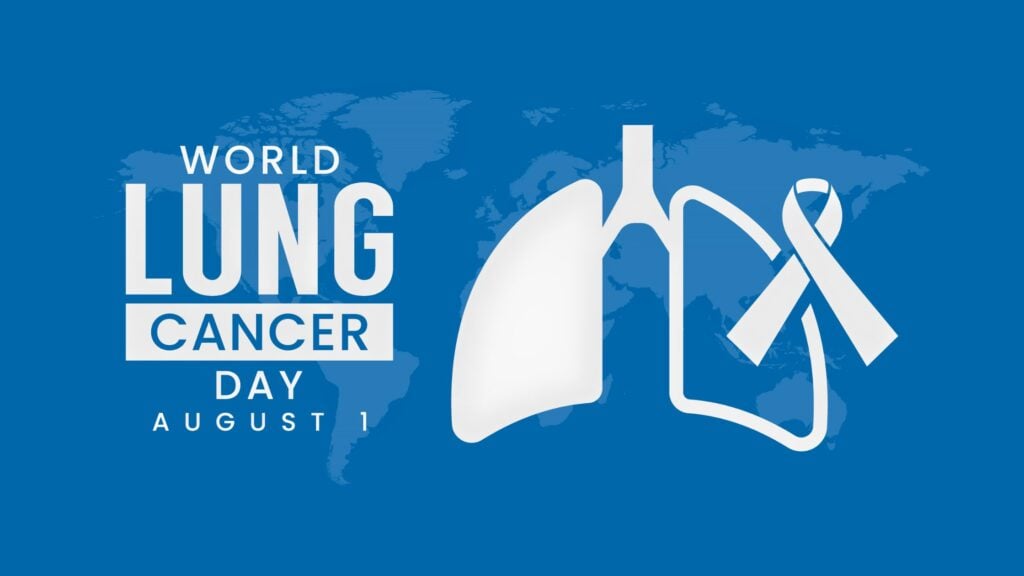
The importance of healthy living and environmental awareness cannot be overstated in the comprehensive prevention strategy against lung cancer, aligning perfectly with the theme for World Lung Cancer Day 2026: “Lung Health for All.” This theme focuses on the critical importance of access to timely screening, accurate diagnosis, advanced treatment, and compassionate care for everyone, emphasizing that cleaner environments help lower the risk for all individuals. By making informed lifestyle choices and advocating for better environmental practices, we can collectively reduce the burden of lung disease.
Promoting healthier lifestyles, which include regular physical activity, a balanced diet, and avoiding tobacco, and supporting those affected can help reduce the incidence of lung cancer. Early detection remains one of the most effective ways to improve survival rates, as it allows for the initiation of effective treatment options such as targeted therapy and immunotherapy. Recovery often involves regular follow-up appointments, pulmonary rehabilitation, nutritional counseling, psychological support, and ongoing smoking cessation, all reinforced by strong family and community support to manage the disease effectively.
Encouraging community involvement in lung cancer awareness is pivotal, as the fight against this debilitating disease is not limited to hospitals or research labs; lasting change happens when more people take part. Talking openly about symptoms and risk factors helps reduce stigma and can prompt someone to seek medical advice sooner, leading to earlier diagnosis and better survival rates. Actively encouraging screening for those at higher risk, particularly through accessible lung cancer screening programs, is a critical step towards improving public health outcomes in Ghana.
Supporting efforts to reduce air pollution and secondhand smoke exposure contributes significantly to cleaner environments and a lower disease incidence for the entire community. Standing by those going through treatment can make a real difference to their emotional strength and overall journey, offering much-needed support. Sharing accurate information from trusted health sources helps raise awareness correctly and combats misinformation, empowering individuals to make informed decisions about their lung health. Getting involved in awareness campaigns or fundraising efforts can further support vital research, outreach programs, or direct patient services, making a tangible impact on the lives of those affected by lung cancer.

Understanding your Prostate-Specific Antigen (PSA) blood test results is crucial for prosta...
SCAB Pharmacy
Thyroid Cancer Awareness Month serves as a crucial reminder for everyone, particularly in G...
SCAB Pharmacy
Taking proactive steps for your health is crucial, and understanding the necessary screenin...
SCAB Pharmacy

Do you have any questions? Do not hesitate to contact us.
