Description:
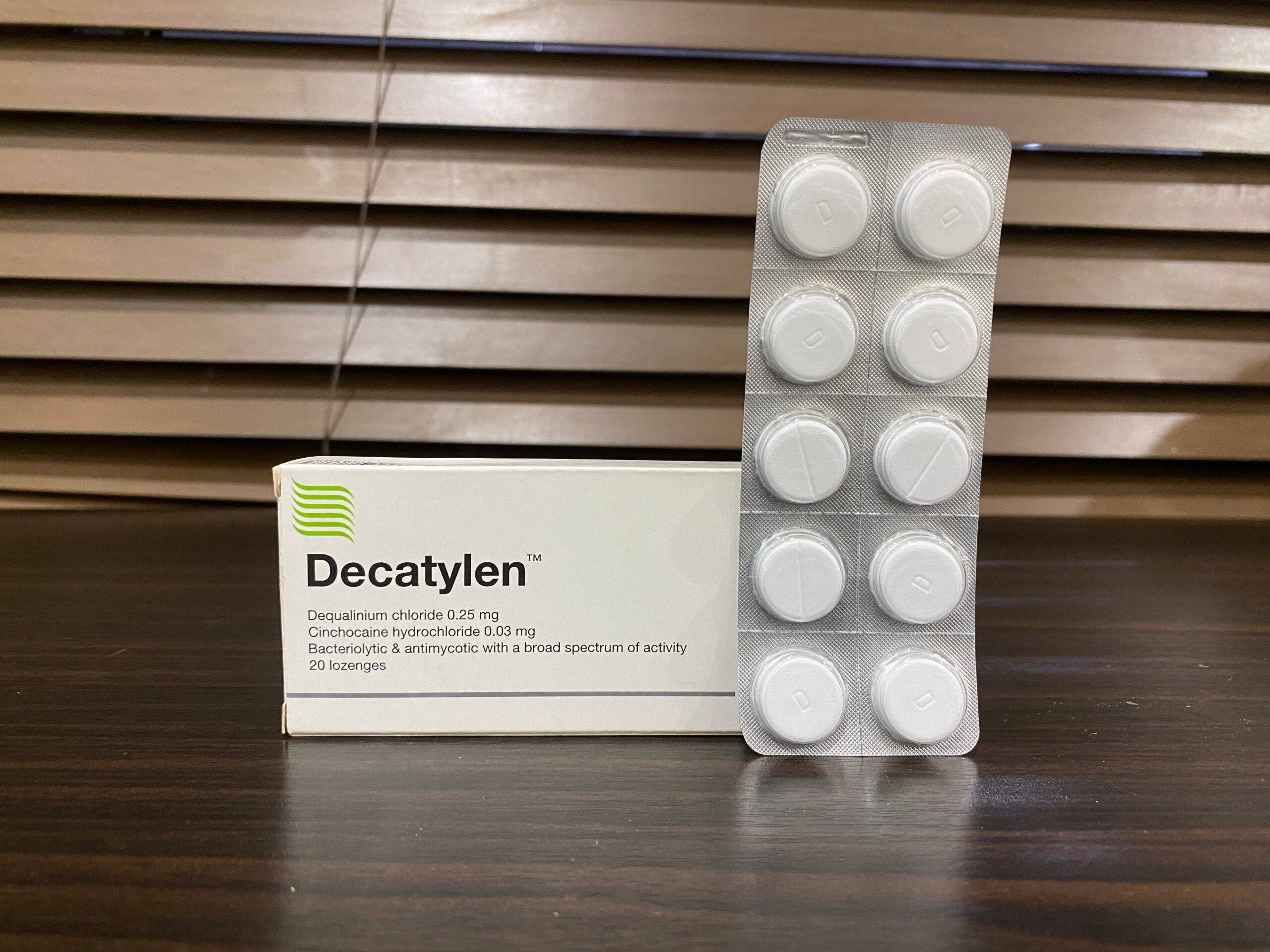
Decatylen lozenges are antiseptic and analgesic sucking tablets/lozenges used for the local treatment of acute inflammatory conditions of the mouth and throat. They are indicated for sore throat, pharyngitis, tonsillitis, gingivitis, ulcerative/apthous stomatitis, laryngitis, hoarseness, catarrh, and minor mouth/throat infections. The lozenges kill bacteria, fungi, and some viruses while providing local pain relief. They are generally well-tolerated, do not irritate the oral mucosa, do not cause dental caries, and are suitable for diabetic patients.
Prescription: Prescription Only
Therapeutic Category:
Local Antiseptic + Local Anaesthetic / Throat Lozenges (Antimicrobial + Analgesic combination for oral/throat use or similar for throat preparations).
Active Ingredients/Composition: Each lozenge contains:
- Dequalinium chloride – 0.25 mg (broad-spectrum antiseptic – effective against bacteria, fungi, and some viruses)
- Cinchocaine hydrochloride (also called Dibucaine or Dibucaine HCl) – 0.03 mg or 0.25 mg (local anaesthetic – provides pain relief in the mouth and throat) Other ingredients: Sorbitol (E420 – sweetener), talc, magnesium stearate, colloidal anhydrous silica, peppermint oil, peppermint flavor, and other excipients. Lozenges are mint-flavored and sugar-free (suitable for diabetics).
Vitamins: None.
Minerals: None.
Variant:
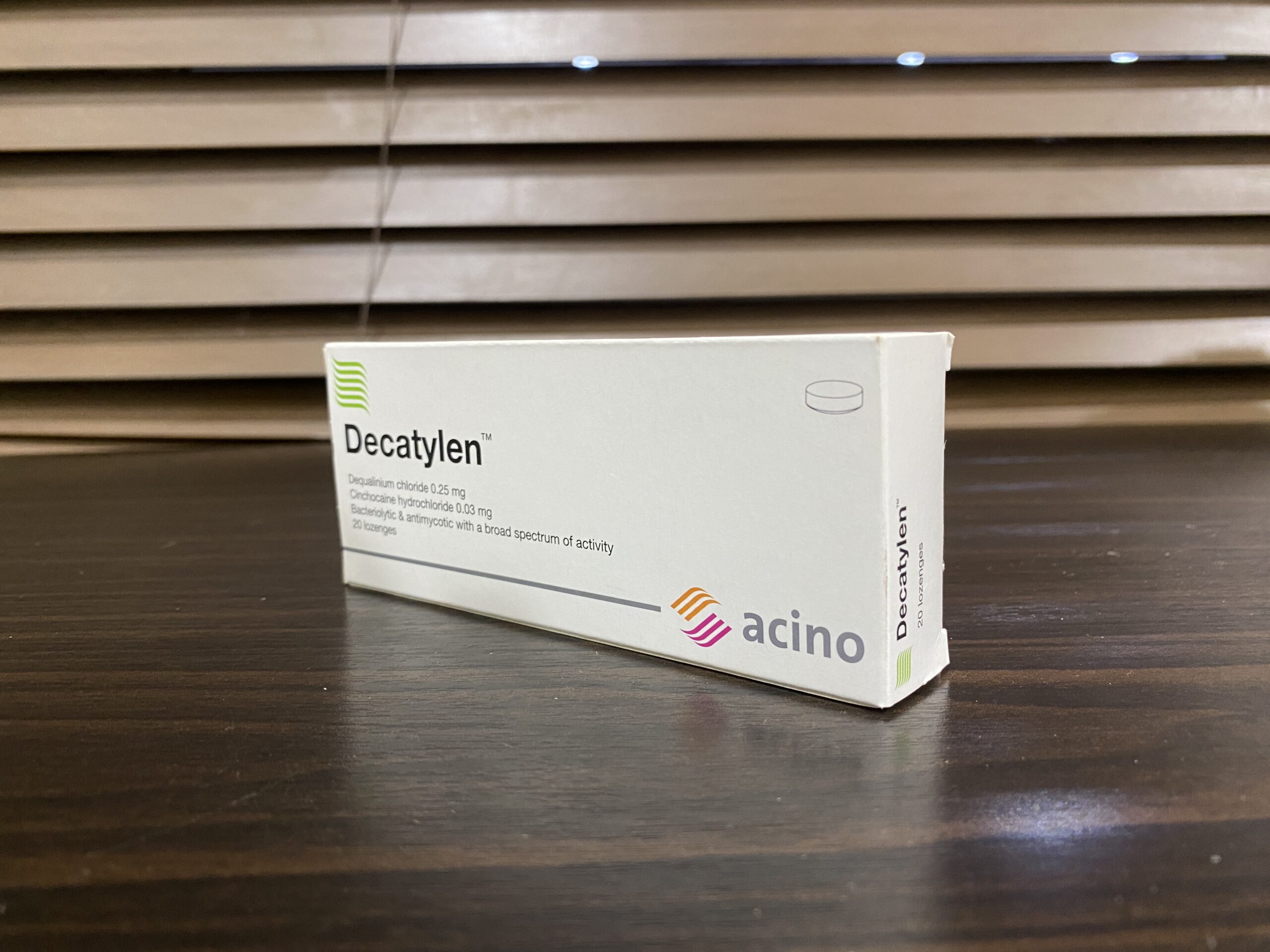
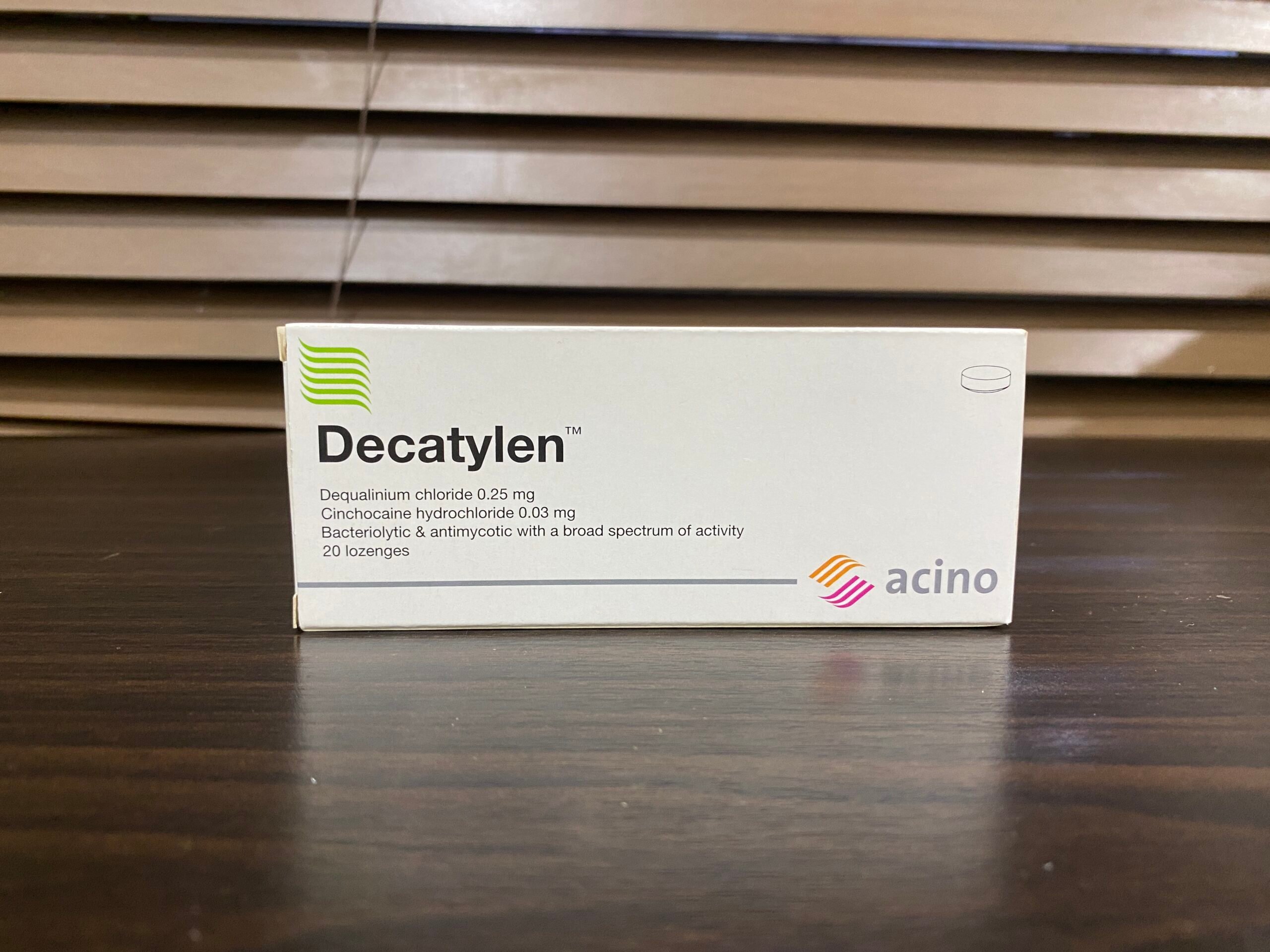
- Decatylen lozenges (standard 0.25 mg dequalinium chloride + 0.03 mg cinchocaine hydrochloride per lozenge). Common pack sizes: 20 lozenges (most frequent), 10 lozenges (strip), or larger packs (e.g., 100 lozenges in some markets). No major strength variants; the standard formulation is the primary one.
Consume Type:
Oral – Sucking lozenge (allow to dissolve slowly in the mouth; do not chew or swallow whole).
Directions/Usage: Adults and children from 12 years:
- Suck 1 lozenge every 2 hours during acute inflammation.
- After improvement: 1 lozenge every 4 hours.
- Maximum: Do not exceed recommended frequency (usually 8–10 lozenges/day initially).
- Children from 4 years (if prescribed): 1 lozenge every 3 hours (consult doctor).
- Let the lozenge dissolve slowly in the mouth (do not chew or swallow).
- Duration: Use for up to 7 days; consult a doctor if no improvement or symptoms worsen.
Common Side Effects: Common (mild/local):
- Mild transient burning or stinging in the mouth/throat on dissolution.
- Dry mouth.
- Temporary taste alteration. Rare: Allergic reactions (rash, itching, swelling), or gastrointestinal upset (if swallowed in large amounts). Generally well-tolerated with no irritation to oral mucosa.
Package Type:
Blister packs or strip packs (commonly 10 or 20 lozenges per pack; foil blisters in carton or simple box with patient information leaflet, dosage instructions, and warnings).
Storage Advice: Store at room temperature (below 25–30°C) in original packaging, protected from light and moisture. Keep tightly closed. Out of reach of children.
Safety Advice:
- For oral use only; do not chew or swallow whole (allow to dissolve slowly).
- Contraindicated in hypersensitivity to dequalinium chloride, cinchocaine hydrochloride, or any ingredient, or to quaternary ammonium compounds (e.g., benzalkonium chloride).
- Caution in children under 4 years (not recommended), pregnancy/breastfeeding (limited data; consult doctor), or severe oral/throat conditions.
- Do not use longer than 7 days without medical advice (risk of masking serious infection).
- If high fever, severe pain, difficulty swallowing, or no improvement after 7 days occurs, stop use and seek medical care.
- Keep out of reach of children (overdose risk – can cause local irritation or systemic effects if swallowed excessively).
Product Substitutes: Similar antiseptic + anesthetic throat lozenges in Ghana include:
- Dequalinium chloride + cinchocaine lozenges (generic or other brands like Dequadin, Decatylen – same active ingredients)
- Strepsils (dichlorobenzyl alcohol + amylmetacresol)
- Dorithricin (tyrothricin + benzalkonium chloride + benzocaine)
- Septolete or Tantum Verde lozenges
- Alternatives: Chlorhexidine lozenges, benzocaine lozenges, or honey/lemon-based soothing lozenges for mild symptoms. Consult pharmacist in Accra (e.g., Scab Pharmacy, Country Medical Pharmacy) for alternatives.
Manufacturer/Marketer:
Acino Pharma AG (Switzerland; produces Decatylen/Decatylen lozenges under the Acino brand). Marketed/distributed in Ghana by local importers/pharmacies (widely stocked as imported product).
Country of Origin:
Switzerland (manufactured by Acino Pharma AG; imported to Ghana and available in local pharmacies).





Reviews
There are no reviews yet.