
September 19, 2026
Prostate-Specific Antigen (PSA) Blood Test Results
Understanding your Prostate-Specific Antigen (PSA) blood test results is crucial for prosta...

SCAB Pharmacy


Diarrhea can significantly disrupt your digestive system, but understanding how to restore your gut microbiome is crucial for long-term health. This article builds upon previous discussions on childhood diarrhea, focusing specifically on practical, culturally relevant strategies for Ghanaians to replenish good gut bacteria and support optimal digestive health after an episode of this common illness. We will explore the impact of diarrhea, the importance of gut bacteria balance, and provide dietary and lifestyle recommendations to help restore a healthy gut.
A significant episode of diarrhea can profoundly impact your gut microbiome, which is the complex community of beneficial microbes residing in your intestines. The rapid transit time of food, often accompanied by inflammation, physically flushes out a substantial portion of these microbial residents, including many good bacteria. If the diarrhea was caused by an infection or a course of antibiotics, the disruption can be even more severe, as antibiotics kill off beneficial strains alongside harmful ones. This loss of microbial diversity leaves the gut vulnerable to dysbiosis, where less desirable species can proliferate, hindering digestion and potentially making the intestinal lining more sensitive.
Your gut microbiome, a vast community of trillions of microorganisms primarily in your large intestine, is vital for overall health. These beneficial bacteria play a crucial role in breaking down dietary fiber, producing essential vitamins, and training your immune system, which is largely regulated by the gut. A robust gut microbiota provides a strong barrier against pathogens and competes with harmful bacteria for space and nutrients, thus maintaining a healthy gut environment.
A healthy microbiome is characterized by a diverse balance of good bacteria working in harmony. Here are some examples of these beneficial bacteria:
| Type of Bacteria | Characteristic |
| Lactobacillus | Good bacteria, such as those found in sauerkraut, are essential for maintaining a healthy gut microbiome. |
| Bifidobacterium | Good bacteria |
When the delicate balance of your gut microbiome is disrupted, a condition known as dysbiosis, it can lead to various health issues beyond just digestive symptoms. This imbalance is characterized by a loss of beneficial bacteria, an overgrowth of potentially pathogenic bacteria, and a general lack of microbial diversity. Without a diverse range of gut bacteria, digestion becomes less efficient, and the gut lining may become temporarily more sensitive, potentially contributing to conditions like Irritable Bowel Syndrome (IBS) or other gastrointestinal challenges.
| Category | Symptoms |
|---|---|
| Digestive | Gas, bloating, poor digestion, lower abdominal pain |
| Other | Brain fog, skin flare-ups |
Probiotic foods are an excellent way to reintroduce live, beneficial bacteria to your gut microbiome after diarrhea. Including these in your diet can help crowd out harmful bacteria and support your immune system’s recovery, signaling that the “threat” to your gut health has passed.
Here are some examples of probiotic-rich foods:
| Food Type | Examples of foods that can help support your gut include yogurt, kefir, and sauerkraut. |
| Readily Available Fermented Foods | Natural yogurt, kefir |
| Traditional Ghanaian Fermented Products | Nunu (fermented milk), Kenkey (fermented maize), Koko (fermented millet porridge) |
Kefir often offers a greater diversity of bacterial strains compared to other readily available options.
Prebiotics are non-digestible dietary fibers that act as food for your beneficial gut bacteria, stimulating their growth and activity. Incorporating prebiotic-rich foods into your diet is crucial for gut health restoration. Locally available options include plantains, yams, cocoyams, and beans, which are excellent sources of complex carbohydrates and fiber to support your gut health. Leafy greens like kontomire (taro leaves) and garden eggs also provide valuable fiber. Onions and garlic, commonly used in Ghanaian cuisine, are rich in inulin, a powerful prebiotic that feeds beneficial microbes, thus supporting a healthy gut.
Resistant starch is a type of carbohydrate that resists digestion in the small intestine and instead ferments in the large intestine, providing fuel for beneficial gut bacteria. Foods like underripe bananas and cooled potatoes or rice contain resistant starch. When potatoes or rice are cooked and then cooled, their starch structure changes, making them more resistant to digestion. This resistant starch then reaches the large intestine intact, where it is fermented into short-chain fatty acids, such as butyrate. Butyrate, an enzyme produced by certain gut bacteria, is a primary energy source for the cells lining your colon, playing a crucial role in maintaining gut lining integrity and overall gut health.
After an episode of diarrhea, adequate hydration is paramount to support recovery and the healing of your gut lining. While water is essential, it’s also important to replenish lost electrolytes, which are crucial salts and minerals. Gentle liquids such as clear broths like chicken or vegetable soup can provide necessary salts and amino acids, making them easy for the compromised digestive tract to process. Coconut water, a natural source of electrolytes, is highly beneficial in Ghana for rehydration and providing essential minerals lost during illness. Herbal teas, particularly ginger tea, peppermint tea, and chamomile tea, offer soothing properties that can calm the digestive tract and reduce inflammation, contributing to overall gut health.
In the immediate aftermath of diarrhea, it’s important to manage your diet to support your gut health. stabilizing your internal environment through proper hydration is a primary concern for the restoration of your gut microbiome. Replacing both water and essential electrolytes is critical because without them, your cells cannot function optimally, and your gut cannot effectively begin the crucial repair process. Plain water alone is often insufficient after a significant bout of diarrhea; a balanced intake of sodium, potassium, and glucose is needed for efficient absorption and to support the rebuilding of your gut lining. This careful rehydration plays a significant role in promoting a healthy gut and reducing symptoms of dysbiosis.
Incorporating herbal teas and coconut water into your post-diarrhea recovery diet offers significant benefits for your gut health. Herbal teas like peppermint and chamomile are known to help calm the smooth muscles of the digestive tract, reducing spasms and discomfort often associated with gastrointestinal upset. Ginger tea, a widely appreciated remedy, boasts soothing effects on the digestive system, effectively reducing bloating, indigestion, and inflammation, which can further promote the growth of healthy gut bacteria. Coconut water, readily available and popular in Ghana, is an excellent natural source of electrolytes, aiding in rehydration and providing vital minerals to support the repair of the gut lining and restore overall gut balance.
Rest and effective stress management play a crucial role in the restoration of a healthy gut microbiome and overall digestive health after an episode of diarrhea. Your gut bacteria have their own “body clock,” influenced by your circadian rhythm, meaning sleep deprivation or irregular sleep patterns can significantly alter the composition and diversity of your gut flora. Aiming for consistent sleep and wake times helps your gut bacteria maintain their natural rhythm. Chronic stress keeps your body in a “fight or flight” mode, diverting blood flow away from the digestive system and potentially increasing intestinal permeability, which can change the types of bacteria that flourish. Prioritizing 7-9 hours of quality rest allows your body to focus on repair and supports a healthy gut environment.
When considering the use of antibiotics for digestive issues, it is crucial to exercise caution, especially when aiming to restore gut health after diarrhea. Antibiotics, while effective against bacterial infections, do not discriminate between harmful and beneficial bacteria, which can disrupt your gut microbiome and cause diarrhea. Their use can significantly disrupt the delicate balance of your gut microbiome, leading to further dysbiosis, which can prolong recovery time for your gut and make it harder to manage gut health.. Therefore, it is important to only take antibiotics when absolutely necessary and as prescribed by a healthcare professional, always completing the full course. Avoiding unnecessary antibiotic use helps to protect and preserve the diversity of your gut flora, which is essential for maintaining a healthy immune system and overall digestive function.
While a food-first approach is often considered the best way to restore gut health, incorporating fermented foods like sauerkraut can also be beneficial. probiotic supplements can play a role in supporting gut microbiome restoration, especially post-diarrhea or after a course of antibiotics. However, it’s important to choose wisely and consult with a healthcare professional to ensure the supplement contains strains relevant to your specific needs. Some research suggests that a very high-dose, single-strain probiotic taken immediately after a significant gut clear-out might delay the return of your own unique, native gut bacteria by aggressively colonizing the space. Therefore, the focus should be on diversity and strains proven to alleviate post-diarrhea symptoms. Supplements can help reintroduce good bacteria, but they should complement, not replace, a diet rich in probiotic and prebiotic foods for sustained gut balance.
In the quest to restore gut health after an episode of diarrhea, exploring evidence-based local remedies can be incredibly beneficial. Probiotics, such as Lactobacillus, Yeast, Bifidobacterium, Enterococcus, and Bacillus, found in many traditional Ghanaian fermented foods, have been widely reported to treat pathogen-caused diarrhea. These good bacteria work by maintaining or improving the balance of gut microbiota, inhibiting harmful bacteria through nutrient competition and producing antibacterial compounds, thereby supporting the immune system. For instance, specific strains like Bifidobacterium breve and Bifidobacterium pseudocatenulatum DSM20439 can inhibit the expression of intestinal Shiga toxin EHEC, contributing to a healthy gut microbiome. Utilizing these natural sources of probiotics is a valuable way to help restore your gut balance and reduce the duration and severity of post-diarrhea symptoms, promoting overall digestive health.
To effectively heal and restore your gut microbiome, a dual approach focusing on both probiotics and prebiotics is essential. Probiotics introduce the beneficial bacteria, while prebiotics provide the necessary food for these microbes to thrive. Traditional fermented foods, such as local yogurt, nunu, kenkey, and koko, are excellent sources of diverse live cultures, which are crucial for rebuilding a healthy gut flora. Incorporating herbs and spices like turmeric, ginger, oregano, and cinnamon, common in Ghanaian cuisine, can further support a healthy gut environment due to their anti-inflammatory and antimicrobial properties. Additionally, berries and dark chocolate are rich in polyphenols that support microbial diversity. Regular, moderate exercise also plays a significant role in gut health restoration, as it stimulates peristalsis, helping to improve gut motility, move waste efficiently, and prevent harmful bacteria from stagnating, thereby contributing to a balanced gut ecosystem.
Beyond dietary and lifestyle changes, some cultural approaches and advanced medical practices are being explored to rebuild gut flora and improve gut health. One such innovative approach is Fecal Microbiota Transplantation (FMT), which involves transplanting functional flora from healthy individuals into patients to restore the gut microbiome. While primarily approved for treating recurrent C. difficile infections resistant to antibiotics, researchers are actively investigating FMT as a potential treatment for other gastrointestinal conditions and dysbiosis, aiming to bring back a healthy gut. Though FMT is a specialized medical procedure and not a traditional home remedy, its underlying principle of restoring gut diversity aligns with the broader goal of re-establishing a robust and resilient gut microbiota after severe disruption, offering a glimpse into future possibilities for comprehensive gut health restoration.
As you actively work to restore your gut microbiome after diarrhea, several key indicators will signal improved gut health and a successful recovery. The most noticeable change will be in your bowel movements, which should become more regular, well-formed, and free from the urgency or looseness associated with diarrhea. A consistency with a fiber-rich, diverse diet, including plenty of prebiotic and probiotic foods, is key to speeding up this recovery process. A balanced gut microbiome is inherently more resistant to the colonization of diarrhea pathogens, meaning you are less susceptible to future bouts of illness. Additionally, a reduction in bloating, gas, and abdominal discomfort are clear signs that your digestive system is healing and your gut bacteria are returning to a harmonious balance, supporting overall gut function.
After the acute phase of diarrhea, vigilant monitoring of your digestive function is crucial to ensure the full restoration of your gut health. Once your stools have stabilized, it’s time to transition from “protecting” the gut to “feeding” it, diversifying your gut “garden” with a broader range of probiotics and prebiotics, which can include fermented foods like sauerkraut. This involves structured self-checking, which can be as simple as tracking what you eat, noting your energy levels, mood, and the timing of any digestive discomfort. This practice helps you identify patterns and understand how different foods and lifestyle choices impact your recovering gut microbiome. Consistent intake of a diverse, healthy diet and mindful observation will provide valuable insights into your body’s response and guide you in making the best choices to maintain a healthy gut and prevent future dysbiosis.
Beyond specific digestive symptoms, A significant sign of successful gut microbiome recovery is a noticeable improvement in your energy levels and overall well-being, which can be enhanced by consuming foods that support your gut.. If you still feel exhausted or continue to experience bloating and “brain fog” after improving your diet and lifestyle, it may be time for a more detailed look at your internal health. Post-viral or post-infection fatigue is common because your immune system has been working overtime, and gut inflammation may hinder nutrient absorption. If this fatigue persists, checking nutrient levels via a blood test may be beneficial for targeted nutritional support to help restore gut health. Ultimately, a restored gut microbiome contributes to better nutrient absorption, a stronger immune system, and a reduction in systemic inflammation, all of which contribute to higher energy levels and a greater sense of vitality.
In the immediate aftermath of diarrhea, It is paramount to avoid foods that can further irritate the delicate gut lining and prolong your recovery, especially those that can cause diarrhea.. This includes highly processed foods, which often contain artificial ingredients and preservatives that can disrupt the fragile gut microbiome. Excessive caffeine intake and alcohol consumption are also best avoided, as they can act as “gut irritants,” further stimulating the digestive tract and potentially exacerbating symptoms. During this sensitive period of nutritional reintroduction, staying away from very spicy foods and those high in refined sugars is crucial because harmful bacteria often thrive on simple sugars, which could encourage “wrong” bugs to grow back first, hindering the restoration of a healthy gut. Some individuals may also experience temporary sensitivity to lactose after a gut infection, making heavy dairy products something to consider avoiding in the initial stages of recovery to support optimal gut health.
Beyond dietary considerations, certain lifestyle habits can significantly prolong gut imbalance and impede the restoration of a healthy gut microbiome after diarrhea. Disrupted sleep or irregular sleep patterns are known to alter the composition of the microbiome, impacting the diversity and balance of gut bacteria crucial for digestive health. Chronic stress is another major factor, as it can increase intestinal permeability, allowing harmful substances to leak into the bloodstream and change the types of bacteria that flourish in the gut. Moreover, the overuse of antibiotics, unless absolutely necessary and prescribed by a healthcare professional, can be detrimental to gut health, as they kill off beneficial bacteria along with the bad, further disrupting the delicate gut balance and delaying a full recovery of your gut flora.
To support the restoration of your gut microbiome and promote long-term digestive health, it is wise to reduce or avoid processed and sugary foods. These items often contain artificial ingredients, additives, and preservatives that can actively disrupt the beneficial gut bacteria balance and contribute to inflammation in the gut lining. Similarly, limiting refined carbohydrates like white bread, pasta, and white rice is important, as they lack fiber, which is essential for feeding good gut bacteria, and can cause inflammatory responses. Instead, opt for fiber-rich vegetables, which provide prebiotics to nourish your gut flora, and incorporate fermented foods like local yogurt or kenkey to reintroduce beneficial bacteria. Lean proteins are also an excellent choice, as they provide essential nutrients without burdening the digestive system, helping your gut to heal and maintain a healthy balance.
Your gut is far more than just a tube for processing food; it is a sophisticated “second brain” that profoundly influences various aspects of your overall health, making the restoration of your gut microbiome after diarrhea critically important. This complex ecosystem of gut bacteria plays a central role in your immune system, with approximately 80% of its activity being regulated by the gut enzymes produced by beneficial bacteria.. A healthy gut provides a robust barrier against pathogens and helps prevent inflammation. Furthermore, gut microbes significantly impact your mood and nervous system through the gut-brain axis, with certain beneficial bacteria producing neurotransmitters like serotonin. They also interact with endocrine cells in your gut lining, making your gut the largest endocrine system organ. When this internal “garden” is healthy and thriving, characterized by a diverse range of gut bacteria, you thrive too, experiencing improved nutrient absorption, better immune function, and enhanced mental well-being, all contributing to a healthy gut.
While this article provides valuable tips for gut microbiome restoration after diarrhea, it also emphasizes the importance of consuming probiotic-rich foods like sauerkraut. it is crucial to recognize when to seek professional medical advice. If your symptoms are persistent, lasting more than a few days, or if you notice a significant change in your regular bowel habits, your General Practitioner (GP) should be your first port of call. They can rule out more serious conditions such as Inflammatory Bowel Disease (IBD), Coeliac disease, or lingering infections that require specific medical intervention, ensuring the best approach to restore your gut health. Moreover, if you experience sudden or severe symptoms such as swelling of the lips, face, or tongue, difficulty breathing, a high fever, blood in your stools, or if you collapse, seek urgent medical help immediately by calling emergency services or attending your local Accident & Emergency department. If fatigue persists for more than two weeks, discussing blood test results with your GP may also be beneficial to understand if there are underlying nutritional deficiencies hindering your recovery and impacting your gut bacteria.
Replacing good gut bacteria and maintaining a healthy gut microbiome is a continuous lifestyle commitment, not a one-off task after diarrhea. To encourage a diverse and thriving gut flora, aim to “eat the rainbow,” as different colored plants contain unique polyphenols that feed different species of beneficial bacteria. Staying well-hydrated is also fundamental, as water is the medium in which all digestion and microbial activity happens, supporting the gut lining and nutrient absorption. It is equally important to listen to your body; if a particular “health food” makes you feel worse, trust your gut and adjust your diet accordingly. Ultimately, a healthy diet and lifestyle, rich in plant-based whole foods like whole grains, a variety of vegetables, and fruits, naturally encourages a healthy gut microbiome, helping to restore and maintain the delicate balance of good bacteria for long-term digestive health and overall well-being.

Understanding your Prostate-Specific Antigen (PSA) blood test results is crucial for prosta...
SCAB Pharmacy
Thyroid Cancer Awareness Month serves as a crucial reminder for everyone, particularly in G...
SCAB Pharmacy
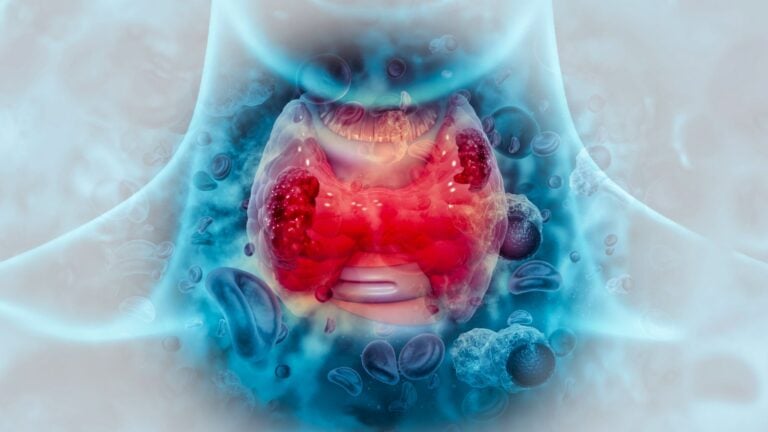
Taking proactive steps for your health is crucial, and understanding the necessary screenin...
SCAB Pharmacy

Do you have any questions? Do not hesitate to contact us.
