
September 19, 2026
Prostate-Specific Antigen (PSA) Blood Test Results
Understanding your Prostate-Specific Antigen (PSA) blood test results is crucial for prosta...

SCAB Pharmacy

Malaria remains a persistent global health challenge, particularly across Africa. This article explores World Malaria Day 2026, delving into its significance, the pervasive symptoms of malaria, the critical importance of global awareness and action, and effective prevention strategies. We will also focus on Ghana, a nation heavily impacted by the disease, examining its specific malaria burden and the role it plays in the ongoing fight against malaria, particularly in relation to Africa Malaria Day.
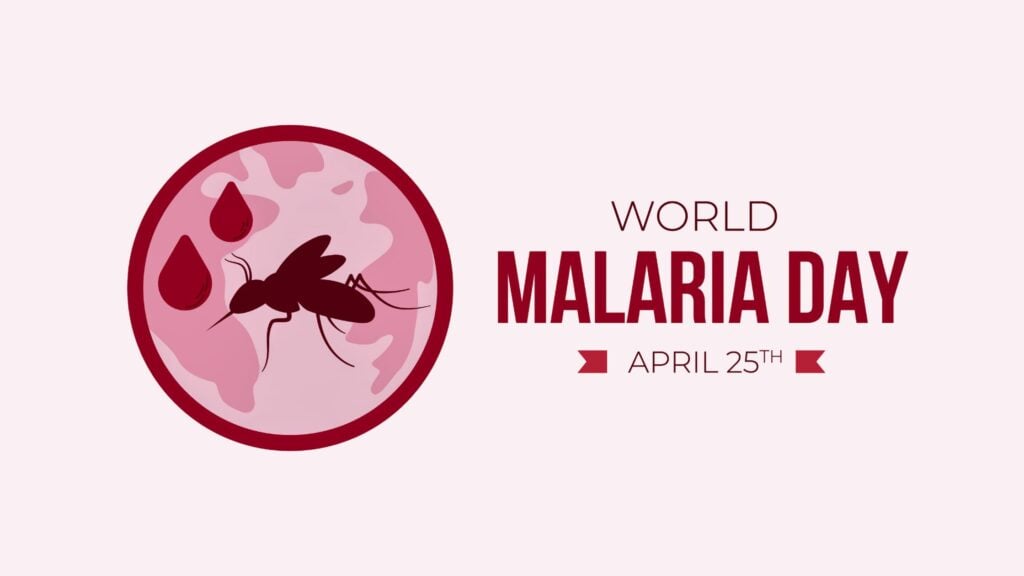
World Malaria Day, an international observance commemorated annually on April 25, is a crucial event dedicated to raising awareness and highlighting global efforts against malaria. Established in May 2007 by the 60th session of the World Health Assembly, the decision-making body of the World Health Organization (WHO), this day serves as a global call to action for healthcare authorities and policymakers. Its primary goal is to provide education and understanding of malaria, disseminating vital information on the year-long intensified implementation of national malaria-control strategies, including community-based activities for malaria prevention and treatment in endemic areas worldwide.
World Malaria Day plays a pivotal role in global malaria awareness, effectively highlighting the collective efforts against this devastating disease. The day is instrumental in providing education and understanding of malaria, disseminating crucial information on year-long intensified implementation of national malaria-control strategies, including community-based activities for malaria prevention and treatment in endemic areas. It encourages corporations, multinational organizations, and grassroots organizations globally to collaborate, fostering awareness and advocating for essential policy changes. This annual event serves as a significant reminder that despite years of progress in control efforts, malaria remains a major public health concern, urging global collaboration to strengthen prevention strategies, improve access to timely diagnosis and treatment, and support ongoing research aimed at reducing the disease burden and ultimately achieving malaria elimination.
The World Health Organization has launched a compelling campaign for World Malaria Day 2026, with the theme: “Driven to End Malaria: Now We Can. Now We Must.” This powerful theme underscores the scientifically proven fact that malaria elimination is achievable with existing tools and continuous innovation in antimalarial strategies. It particularly stresses the urgency of scaling up political will, securing increased funding, and fostering robust community action to transform this possibility into a tangible reality, thereby protecting vulnerable populations globally. For Ghana, a country with a significant malaria burden, this theme is profoundly relevant, as it emphasizes strengthening malaria prevention strategies, expanding access to crucial diagnosis and treatment options, and vigorously supporting elimination programs in high-risk regions across the nation.
Malaria remains a significant public health challenge in Ghana and across the African continent, despite concerted efforts in control and prevention. Globally, 3.3 billion people in 106 countries are at risk of malaria, with a significant focus on Africa and Asia. While a World Malaria Day event took place in Adenta, Ghana, in 2013, the country continues to bear a substantial burden of the disease.
| Year | Malaria Deaths | New Cases |
|---|---|---|
| 2012 | 627,000 | |
| 2015 | 429,000 | 212 million |
In 2012, malaria tragically caused an estimated 627,000 deaths, predominantly among African children, highlighting the persistent impact of this disease.
The fight against malaria faces numerous complex challenges, contributing to its status as one of the most persistent infectious diseases worldwide. Favorable climates in many tropical and subtropical regions create ideal conditions for the Anopheles mosquitoes that transmit malaria parasites. Limited access to early diagnosis and proper antimalarial treatment remains a critical barrier in several high-risk areas. Furthermore, not all communities have adequate access to essential mosquito control tools, such as insecticide-treated bed nets or effective indoor spraying programs, which are vital for malaria prevention.
The global situation is stalling, with key figures for 2024 showing a slight increase from 2023:
| Metric | Estimated 2024 Figure Update |
| Cases | 282 million |
| Deaths | 610,000 |
Malaria continues to have a devastating impact on vulnerable populations, particularly in endemic regions. In 2012, malaria caused an estimated 627,000 deaths, with the majority occurring among African children, emphasizing the urgent need for effective antimalarial interventions. Globally, 3.3 billion people in 106 countries are at risk of malaria.
| Vulnerable Group | Impact of Malaria |
|---|---|
| Pregnant women | Face life-threatening complications from untreated malaria. |
| Children (especially under five) | Highly susceptible due to undeveloped immunity. Actress Ashley Judd notably launched the “5 & Alive” initiative to focus on their increased vulnerability. |
Recognizing the common malaria symptoms is crucial for prompt diagnosis and effective treatment, as they typically appear within a few days to a few weeks after an infected mosquito bite. The illness frequently commences with flu-like manifestations, which can escalate in severity if medical attention is delayed. Key indicators of malaria include recurrent fever, chills and sweating, persistent headache, widespread body aches, and debilitating fatigue. Additional symptoms can encompass nausea or vomiting, loss of appetite, abdominal discomfort, or diarrhea. The cyclical nature of fever is often a prominent sign, alongside severe headaches and extreme tiredness experienced by many patients, underscoring the importance of early detection.
The importance of early recognition of malaria symptoms cannot be overstated, as timely diagnosis is absolutely critical for improving treatment outcomes and significantly reducing the risk of mortality, potentially to near zero. Suspected malaria should always be considered a medical emergency, given that certain types can lead to severe and life-threatening complications. If individuals or their family members experience a fever or flu-like illness after visiting a malaria risk country, immediate medical attention is imperative. It is essential to inform the healthcare provider about recent travel to an endemic area and request a same-day malaria test to ensure timely treatment of malaria. Early diagnosis and subsequent treatment of malaria are pivotal not only in preventing severe illness but also in curbing the further transmission of the malaria vector within the community.
In Ghana, the history of malaria prevalence highlights the need for effective prevention and treatment measures. certain groups are particularly vulnerable to the severe impact of malaria, including young children who have not yet developed sufficient immunity against the disease, making them more susceptible to severe illness and high morbidity. Pregnant women also face heightened risk, as their reduced immunity increases susceptibility to malaria infection and associated complications for both mother and unborn baby, potentially leading to adverse birth outcomes. Furthermore, individuals residing in malaria-endemic regions experience repeated exposure to infected Anopheles mosquitoes, while communities with limited healthcare access are at higher risk due to delayed diagnosis and inadequate access to timely treatment, which collectively contribute to the significant malaria burden in Ghana.
World Malaria Day serves as an indispensable global event for raising awareness and intensifying education efforts in Ghana, ultimately contributing to the control and eventual eradication of the disease. The day is designed to provide comprehensive education and understanding of malaria, disseminating vital information on year-long intensified implementation of national malaria-control strategies, including community-based activities for malaria prevention and treatment in endemic areas. Awareness campaigns like World Malaria Day are critically important because many patients unfortunately delay seeking care, often mistaking malaria fever for a common viral infection. This delay, coupled with self-medication without proper diagnosis, can lead to treatment failure and drug resistance, making the campaign a crucial call to act, educate, and protect.
World Malaria Day plays a vital role in supporting national malaria control programs in Ghana by fostering global collaboration and emphasizing the importance of sustained efforts. The day encourages strengthening prevention strategies, improving access to timely diagnosis and treatment of malaria, and supporting ongoing research aimed at reducing the disease burden. It provides an invaluable opportunity to acknowledge the tireless work of healthcare workers, researchers, and community programs that contribute significantly to malaria control and prevention. This annual observance reinforces the message that sustained awareness, proactive preventive action, and robust health systems are absolutely essential for reducing malaria cases and saving lives, particularly through initiatives such as community mosquito control programs and active participation in local awareness and prevention campaigns.
World Malaria Day is fundamentally aligned with global malaria strategies, providing a unified platform to draw international attention to the disease, which continues to affect numerous parts of the world, including Ghana. This significant day was established to create a cohesive opportunity for governments, international health organizations, and local communities worldwide to concentrate their efforts on malaria prevention, accurate diagnosis, and effective treatment. It actively encourages global collaboration to strengthen existing prevention strategies, improve universal access to timely diagnosis and treatment options, and significantly support ongoing research initiatives aimed at reducing the global malaria burden. The observance effectively aligns with broader public health campaigns endorsed by the World Health Organization, reinforcing a collective commitment to end malaria through the best practices in prevention and treatment.
The consistent and effective use of insecticide-treated nets (ITNs) is a cornerstone of malaria prevention, offering a crucial barrier against mosquito bites, especially during the night when malaria-carrying Anopheles mosquitoes are most active. Sleeping under treated mosquito nets significantly reduces the risk of infection, a strategy widely promoted by global health initiatives. Historical efforts, such as President Bush’s strategic plan against malaria, included endeavors to distribute bed nets with organizations like Malaria No More, illustrating the global commitment to malaria prevention. Furthermore, community campaigns, like the one by the Boys & Girls Clubs of America, partnered with Malaria No More to solicit donations for these life-saving nets, underscoring the collective effort to prevent malaria.
Indoor residual spraying (IRS) programs are a highly effective mosquito control tool that plays a vital role in malaria prevention by coating interior surfaces of homes with long-lasting insecticides, significantly reducing mosquito populations. Alongside IRS, comprehensive environmental management is crucial to limiting mosquito breeding sites, thereby reducing the overall malaria risk. Areas with stagnant water, poor sanitation, and dense vegetation create ideal breeding grounds for Anopheles mosquitoes, the primary vector of malaria. Simple yet impactful actions, such as emptying containers, regularly cleaning drains, and preventing water accumulation around homes, can severely limit mosquito breeding. Installing window and door screens further prevents mosquitoes from entering indoor spaces, enhancing indoor mosquito control measures and fostering community cleanliness to reduce the malaria burden.
Reducing the burden of malaria profoundly requires active participation from individuals, families, and communities, collectively fostering a strong commitment to malaria prevention. Individuals must stay well-informed about malaria and its prevention strategies, understanding their role in protecting themselves and others. Community members should actively promote the consistent use of protective measures like mosquito nets and repellents, encouraging widespread adoption. Critically, seeking medical care at the first sign of malaria symptoms is paramount, as early diagnosis and treatment prevent severe illness and reduce further transmission of the parasite. Supporting local awareness and prevention campaigns strengthens collective efforts to control mosquito populations, ensuring that accurate information is shared within the community, which helps others recognize the disease early and adopt preventive practices.
World Malaria Day provides an unparalleled opportunity for Ghanaian citizens, alongside corporations, multinational organizations, and grassroots organizations globally, to work together in the fight against malaria. Active participation in community health drives, awareness programs, and sanitation initiatives can significantly strengthen collective efforts to control mosquito populations and reduce the malaria burden. Engaging in these local events fosters a sense of community responsibility and accelerates the impact of malaria prevention strategies. Such participation ensures that the messages of World Malaria Day resonate deeply within communities, mobilizing essential resources and human power towards achieving the ultimate goal of malaria elimination in Ghana and beyond.
Encouraging regular health practices is fundamental to malaria prevention in Ghana, demanding consistent vigilance from every household. This includes regularly checking surroundings for stagnant water in containers, flower pots, water tanks, and drains, which are prime mosquito breeding sites. Promoting the consistent use of protective measures such as mosquito nets, repellents, and appropriate protective clothing is vital for reducing mosquito bites. Critically, seeking prompt medical care at the first sign of malaria symptoms is essential to prevent severe illness, reduce transmission, and ensure effective treatment. Staying informed about malaria and its prevention, coupled with these proactive health practices, empowers communities to effectively contribute to the ongoing fight against malaria, especially during Africa Malaria Day.
World Malaria Day emphasizes the critical importance of supporting malaria research and funding initiatives, encouraging global collaboration to strengthen prevention strategies, improve access to timely diagnosis and treatment, and accelerate ongoing research aimed at reducing the disease burden. The development of new tools, such as the malaria vaccine, is paramount to achieving malaria elimination. Initiatives like the European Vaccine Initiative, which announced sixteen new projects for malaria vaccine development, highlight this global commitment. Furthermore, corporate involvement, exemplified by ExxonMobil’s $3 million “challenge grant” to match donations to Malaria No More, showcases how significant funding can accelerate the fight against malaria, offering hope for new advancements and ultimately reducing the global malaria burden.

Understanding your Prostate-Specific Antigen (PSA) blood test results is crucial for prosta...
SCAB Pharmacy
Thyroid Cancer Awareness Month serves as a crucial reminder for everyone, particularly in G...
SCAB Pharmacy
Taking proactive steps for your health is crucial, and understanding the necessary screenin...
SCAB Pharmacy

Do you have any questions? Do not hesitate to contact us.
