
September 19, 2026
Prostate-Specific Antigen (PSA) Blood Test Results
Understanding your Prostate-Specific Antigen (PSA) blood test results is crucial for prosta...

SCAB Pharmacy


Each year, World Hepatitis Day serves as a critical global platform to amplify understanding and galvanize action against the pervasive threat of viral hepatitis. As we approach World Hepatitis Day 2026, it is imperative to renew our commitment to the fight against hepatitis, focusing on comprehensive prevention strategies, early diagnosis, and effective treatment options to safeguard public health and reduce the global burden of this silent epidemic.
Hepatitis, at its core, is an inflammation of the liver, predominantly caused by various viral infections. There are five primary hepatitis viruses, designated A, B, C, D, and E, each possessing distinct modes of transmission, symptomatic presentations, and potential health ramifications. Hepatitis A is typically acquired through the ingestion of contaminated food and water, whereas Hepatitis B is spread via contact with infectious body fluids, making nutrition an essential aspect of prevention. Hepatitis C primarily transmits through blood-to-blood contact, while Hepatitis D exclusively affects individuals already infected with Hepatitis B. Lastly, Hepatitis E is transmitted through contaminated water, similar to Hepatitis A. Chronic infection from certain types of viral hepatitis can ultimately lead to severe liver conditions such as liver cirrhosis or liver cancer, making early diagnosis and treatment paramount.
The global impact of viral hepatitis is staggering, with dire statistics underscoring the urgent need for robust intervention. In 2019 alone, an estimated 78,000 individuals worldwide tragically succumbed to complications arising from acute hepatitis A-E infections. The primary global health endeavor is to eliminate viral hepatitis B, C, and D infections, as these chronic forms of the disease are responsible for more than 95% of hepatitis-related mortality globally.
| Statistic | Figure |
|---|---|
| Annual deaths due to Hepatitis B or C | Over 1.3 million |
| New cases of hepatitis reported each year | Nearly 2 million |
| People currently living with Hepatitis B or C may benefit from the resources provided by the World Hepatitis Alliance. | More than 287 million |
| Total individuals globally living with hepatitis are a significant factor in the ongoing public health efforts. | Over 300 million |
These figures highlight the immense challenge and the critical importance of global awareness and action.
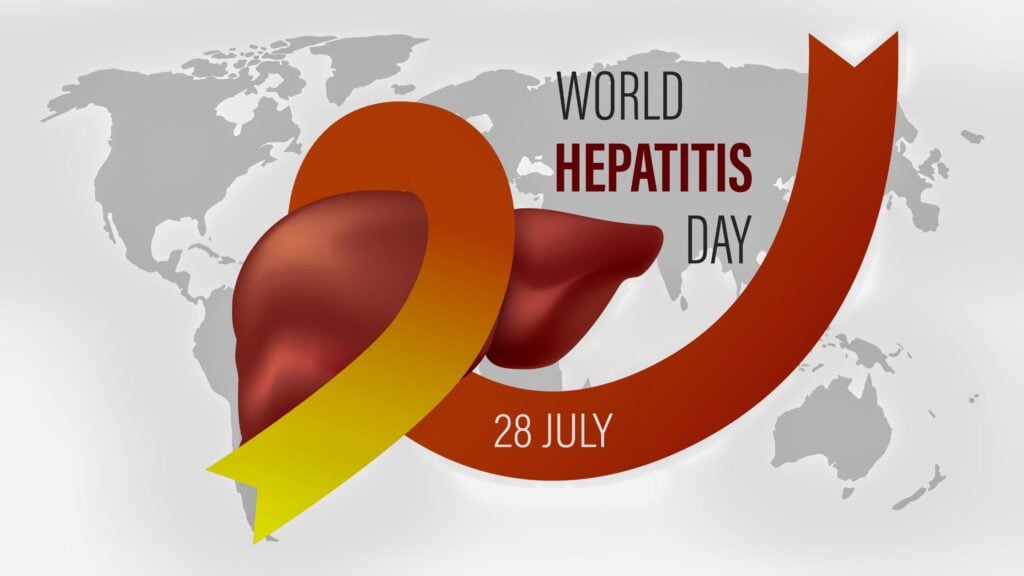
World Hepatitis Day, observed annually on July 28th, is a way to raise awareness and promote action against hepatitis globally., holds immense significance as a dedicated global health day aimed at raising awareness about viral hepatitis and its profound worldwide impact. This crucial day serves as a powerful reminder of the imperative for comprehensive prevention strategies, timely diagnosis, and effective treatment of hepatitis infections. World Hepatitis Day 2026 will be vital for increasing public awareness, encouraging widespread testing, promoting vaccination campaigns, and actively working to reduce the pervasive stigma associated with the disease. As one of the eight official world health days designated by the World Health Organization, its prominence underscores the global commitment. The theme for World Hepatitis Day 2026, “Hepatitis: Let’s Break It Down,” specifically highlights the critical need to dismantle financial, social, and health-system barriers that impede access to essential vaccination, testing, and treatment services, ultimately striving to prevent liver cancer and needless deaths.
Ghana, like many countries in West Africa, bears a significant burden of viral hepatitis, particularly from hepatitis B and hepatitis C infections. These statistics underscore the urgent need for enhanced awareness, comprehensive screening, and effective treatment strategies to combat the disease and prevent its progression to liver cirrhosis and liver cancer, which are common complications.
| Infection Type | Estimated Prevalence in General Population |
|---|---|
| Chronic Hepatitis B Virus can lead to serious health issues, including liver fibrosis and failure. | 8% to 15% of individuals with chronic hepatitis may experience significant liver fibrosis. |
| Hepatitis C | 1% to 3% |
Despite the high prevalence of viral hepatitis in Ghana, significant challenges persist in the diagnosis and treatment of the disease. A major hurdle is the limited access to affordable and reliable testing services, particularly in rural areas, leading to late diagnosis when the disease has often advanced. Furthermore, the lack of widespread awareness about hepatitis symptoms and transmission routes means many individuals do not seek early medical attention. The cost of antiviral treatment can also be prohibitive for many patients, despite government efforts to subsidize some aspects of care. Overcoming these challenges requires a multi-faceted approach, including increasing the availability of diagnostic tools, raising awareness through public health campaigns, and exploring sustainable funding models for treatment options to manage the disease effectively.
The Government of Ghana, recognizing the serious impact of viral hepatitis, has initiated several programs and allocated healthcare resources to address the disease. These initiatives include national vaccination campaigns, particularly for hepatitis B, which aim to prevent new infections, especially through mother-to-child transmission. Efforts are also underway to integrate hepatitis screening into routine healthcare services, improving the likelihood of early diagnosis. Public health education campaigns are regularly conducted to raise awareness about prevention, symptoms, and the importance of testing. While challenges remain, these government-led efforts, coupled with the support of international organizations and local NGOs, are crucial in the fight against hepatitis, guiding Ghana towards eliminating viral hepatitis as a public health threat and providing better support for people with hepatitis.
Understanding the common modes of hepatitis transmission is fundamental to effective prevention strategies and reducing the burden of viral hepatitis in Ghana and globally. Hepatitis D, a less common but severe form, only infects individuals already carrying the hepatitis B virus. Furthermore, traditional practices involving unsterilized instruments and travel to areas with poor sanitation can significantly increase the risk of hepatitis infection. Raising awareness about these transmission routes is crucial for people to make informed choices and protect themselves.
| Hepatitis Virus | Primary Transmission Mode |
|---|---|
| Hepatitis A and E are also important to consider in the context of global hepatitis awareness, as promoted by the World Hepatitis Alliance. | Ingestion of contaminated food and water |
| Hepatitis B and C | Contact with infected body fluids (e.g., unsafe injections, sharing needles, unprotected sexual contact, mother-to-child transmission) |
Vaccination programs play a pivotal role in the global fight against hepatitis, offering a powerful tool for prevention, especially against hepatitis A and B. The hepatitis B vaccine is particularly significant, as it prevents this chronic viral hepatitis and its potential progression to liver cirrhosis and liver cancer. In Ghana, universal timely hepatitis B birth dose vaccination within 24 hours of birthCompletion of the childhood vaccination series, followed by a nutrition plan, is a cornerstone of prevention efforts. This significantly reduces the risk of mother-to-child transmission, a major route of infection. Furthermore, promoting vaccination for all susceptible individuals and ensuring consistent testing of all pregnant women for hepatitis B, HIV, and syphilis, followed by appropriate treatment as needed, are essential steps in managing the disease and working towards eliminating viral hepatitis.
Community participation in screening and awareness campaigns is indispensable for achieving widespread prevention and early diagnosis of viral hepatitis. Such active engagement can significantly raise awareness about the disease, its symptoms, and the importance of timely testing and treatment. World Hepatitis Day serves as a key platform to emphasize that testing is crucial for early detection, especially for chronic hepatitis B and C, which often present with no obvious symptoms until advanced liver disease develops. Awareness helps combat the pervasive stigma associated with hepatitis, encouraging individuals to seek help without fear of judgment. Ensuring everyone has access to hepatitis prevention, testing, and treatment services is a global health imperative, as timely testing and treating viral hepatitis can prevent liver cancer and other severe liver diseases, ultimately guiding us closer to eliminating viral hepatitis as a public health threat.
Recognizing the symptoms of hepatitis is crucial for early intervention and effective management of the disease. While some individuals with viral hepatitis, particularly chronic hepatitis B and C, may be asymptomatic for many years, others can experience a range of noticeable symptoms. Common indicators include profound fatigue, persistent nausea or vomiting, and abdominal pain, often localized in the liver area. Other significant symptoms to watch for are dark urine and light-colored stools, which signify issues with liver function, and jaundice, characterized by the yellowing of the skin and eyes. Loss of appetite is also a frequently reported symptom. Understanding these signs can lead to earlier diagnosis and better treatment outcomes, preventing progression to severe liver disease like cirrhosis or liver cancer.
Testing is crucial for early detection of viral hepatitis, especially for hepatitis B and C, which can become chronic if left untreated and lead to severe liver damage. In Ghana, individuals can access testing for hepatitis through their general practitioner or by consulting with independent healthcare professionals. These professionals are equipped to guide patients through the testing process, which typically involves blood tests that identify specific hepatitis antigens or antibodies. The World Health Organization (WHO) strongly urges countries to ensure that at least 90% of people infected with the hepatitis virus (B and C) are diagnosed. Expanding access to reliable and affordable testing services is a key step in managing the disease and reducing its public health impact.
Accessing appropriate care and support is vital for people living with hepatitis. The WHO emphasizes the need for countries to ensure that at least 80% of eligible individuals receive appropriate care, including treatment for chronic hepatitis B and C. This also extends to providing chronic hepatitis B treatment access to all pregnant women and ensuring their infants receive birth vaccines, significantly reducing mother-to-child transmission. Virtual Triage platforms can simplify the process of finding qualified healthcare professionals and help schedule timely appointments. Patients can explore profiles of independent healthcare professionals specializing in liver health and hepatitis management, reviewing practitioners based on specialty, location, availability, and consultation type. Booking appointments online for in-person visits or video consultations is made easy, with clear details about pricing and services offered by various practitioners, thereby enhancing access to essential care and support.
World Hepatitis Day serves as a vital reminder of the importance of awareness, prevention, and treatment of viral hepatitis. Understanding the symptoms and risks associated with hepatitis is essential for early detection and management, guiding comprehensive public health initiatives to prevent liver failure. The WHO highlights the urgent need to scale up the diagnosis, prevention, and treatment of liver disease to achieve the hepatitis elimination goal by 2030. The World Hepatitis Day 2026 campaign specifically calls for transforming proven science into action through stronger political commitment, sustained investment, and concerted efforts to expand equitable access to prevention, testing, treatment, and care. This collective global effort, championed on World Hepatitis Day each year on July 28, is crucial for turning the tide against viral hepatitis.
The World Health Organization has set an ambitious goal to achieve hepatitis elimination by 2030, a monumental step in the global fight against this pervasive disease. To achieve this, the WHO urges countries to meet specific, measurable targets. These include various methods for managing hepatitis effectively. reducing new infections of hepatitis B and C by 90% and achieving a 65% reduction in hepatitis-related deaths from cirrhosis and cancer. Furthermore, the goal aims to ensure that at least 90% of people infected with hepatitis virus (B and C) are diagnosed, and that at least 80% of eligible individuals receive appropriate care. The theme “Hepatitis: Let’s Break It Down” underscores the collective effort needed to move towards a hepatitis-free world by 2030.
For the public, the call to action for World Hepatitis Day 2026 is clear and impactful. It involves a comprehensive plan to monitor and treat the disease effectively. Getting tested for hepatitis B and C is a crucial way to ensure early detection and effective management., especially given the silent nature of chronic infections. Promoting routine Hepatitis B testing in Antenatal Care settings and providing antiviral prophylaxis where needed is crucial for preventing mother-to-child transmission. Vaccinating newborns with a universal timely hepatitis B birth dose within 24 hours and ensuring completion of the childhood vaccination series are vital steps in prevention. Individuals are encouraged to learn the facts about viral hepatitis, talk to their healthcare provider about early testing and treatment options, and help stop stigma by sharing accurate information. These collective efforts are key to managing the disease and reducing its global impact.

Understanding your Prostate-Specific Antigen (PSA) blood test results is crucial for prosta...
SCAB Pharmacy
Thyroid Cancer Awareness Month serves as a crucial reminder for everyone, particularly in G...
SCAB Pharmacy

Taking proactive steps for your health is crucial, and understanding the necessary screenin...
SCAB Pharmacy

Do you have any questions? Do not hesitate to contact us.
