
September 19, 2026
Prostate-Specific Antigen (PSA) Blood Test Results
Understanding your Prostate-Specific Antigen (PSA) blood test results is crucial for prosta...

SCAB Pharmacy


This article aims to shed light on hypertension, often referred to as the silent killer, and emphasize the critical importance of awareness and effective management, particularly within the Ghanaian community. As we observe World Hypertension Day, it is crucial to explain the impact of high blood pressure on heart health and learn practical strategies for its prevention and control, especially for people with hypertension.
Hypertension, or high blood pressure, is a chronic medical condition where the force of blood against the walls of your arteries is consistently too high. Blood pressure is precisely measured in millimeters of mercury (mmHg) and comprises two distinct numbers: systolic pressure and diastolic pressure, which are important for people with hypertension to understand. The systolic pressure, which is the higher number, indicates the pressure when your heart beats, while the diastolic pressure, the lower number, measures the pressure when your heart rests between beats. Normal blood pressure is typically around 120/80 mmHg, which is crucial for people with hypertension to accurately monitor. A consistent reading above 140/90 mmHg is considered high, signaling a need for attention and possible remedies to manage hypertension. This condition is often called a “silent killer” because it frequently presents with no noticeable symptoms in its early stages, allowing it to progress over many years without visible signs or significant health awareness.
The prevalence of hypertension in Ghana presents a significant public health challenge, with studies indicating that approximately 34% of adults are affected, and these rates tend to be even higher in urban areas compared to rural communities, highlighting a crisis in hypertension awareness. This substantial number underscores the urgent need for increased awareness of hypertension and robust hypertension control initiatives across the nation. Understanding these statistics is the first step toward developing effective strategies for prevention, early detection, and the management of hypertension, ultimately aiming to reduce the impact of this chronic disease on the health and well-being of the Ghanaian population. It is a major risk factor for various cardiovascular diseases and other complications, particularly for people with hypertension.
Several factors contribute to the causes of hypertension within the Ghanaian context, many of which are linked to evolving lifestyles and traditional practices. A high salt intake, often derived from local cuisines and processed foods, is a significant risk factor that can elevate blood pressure levels. Furthermore, the rising rates of obesity and physical inactivity, driven by sedentary lifestyles in urban areas and changes in daily routines, play a crucial role in the development of high blood pressure. Stress, another pervasive factor, also contributes to the risk. The lack of awareness about hypertension and its long-term complications further exacerbates the problem, making regular monitoring and early intervention challenging for many people, especially in underserved communities.
The World Hypertension League (WHL) recognized that more than 50% of the hypertensive population worldwide are unaware of their condition. To address this critical gap in hypertension awareness, the WHL initiated a global awareness campaign in 2005. World Hypertension Day (WHD), observed annually on May 17, aims to significantly raise awareness about high blood pressure and its profound impact on health. This special day encourages regular blood pressure monitoring and educates people about hypertension’s risk factors, promoting healthy habits such as balanced diets, reduced salt intake, regular exercise, and effective stress management. Through these efforts, WHD strives to improve early detection and access to vital treatment for those living with hypertension, ultimately working towards a healthier world.
The World Hypertension League (WHL), an umbrella organization of 85 national hypertension societies, dedicated May 17 of each year as World Hypertension Day (WHD) starting in 2005. By 2007, 47 member countries of the WHL actively participated in WHD. These nations, in partnership with local governments, professional societies, nongovernmental organizations, and private industries, vigorously promoted hypertension awareness among the public through various media and public rallies. Mass media, including the internet and television, reached over 250 million people with the crucial message of managing hypertension. Activities encompassed newspaper articles, extensive media coverage, rallies, public forums, and mass public physical activities, often involving influential politicians, policymakers, and popular public figures to amplify the impact. The themes for WHD consistently focused on awareness of hypertension, with the 2005 theme being ‘Awareness of hypertension’, 2006 ‘Prevent hypertension – ‘treat to goal’’, and 2007 ‘Healthy diet – healthy blood pressure’, all underscoring the importance of prevention and control.
The World Health Organization attributes hypertension, or high blood pressure, as the leading cause of cardiovascular mortality worldwide. This makes the relationship between high blood pressure and heart health exceptionally critical, as Hypertension is the primary risk factor for heart disease and stroke, making it a long-term crisis that requires immediate attention.. Epidemiological studies have consistently shown that hypertension is a ‘silent killer’ because it often presents with no warning signs or symptoms, allowing it to progress unnoticed until severe complications arise. Untreated hypertension significantly increases the risk of heart attack, cardiac arrest, and kidney disease, making regular monitoring and proactive management of hypertension essential for maintaining overall heart health and preventing long-term cardiovascular damage, particularly in those with resistance to treatment.
Regular monitoring is the most reliable way to detect hypertension early and prevent serious complications, playing a crucial role in the effective management of hypertension. Knowing that one’s blood pressure is elevated allows individuals to take immediate action to mitigate rising blood pressure, thereby preventing potential end-organ damage, including myocardial infarction, kidney failure, and cerebrovascular stroke. For people in Ghana, where access to healthcare services can be a challenge, especially in rural communities, the importance of regular blood pressure checks cannot be overstated. These routine checks are fundamental for early detection, which is the best strategy to maintain a healthy heart and reduce the long-term impact of high blood pressure.
Managing hypertension involves lowering blood pressure to a healthy and stable level through a mix of lifestyle changes and, if necessary, medication, which can also help reduce cholesterol levels. Eating a heart-friendly diet, rich in fruits and vegetables common to Ghana such as kontomire, garden eggs, and cocoyam, while reducing salt consumption from traditional foods, can significantly help manage blood pressure. Regular physical activity, like walking, farming, or engaging in local sports, improves circulation and supports a healthier heart. Losing extra weight can ease pressure on the heart and improve blood pressure levels, while reducing alcohol intake and quitting smoking can both lower blood pressure and decrease the risk of heart problems. Incorporating stress-relief techniques, such as meditation or spending time with family and friends, can help the body relax and contribute to overall well-being.
If lifestyle changes are not sufficient to effectively manage blood pressure, doctors in Ghana may prescribe medications to relax blood vessels, remove extra salt and fluid, or reduce the heart’s workload. Some individuals may require a combination of medicines to effectively lower and maintain their blood pressure, highlighting the importance of medication adherence. It is crucial for patients to mention any side effects experienced during treatment to a healthcare provider to ensure the best possible care and adjustments. Consistent monitoring and following medical advice are vital for long-term blood pressure management and to prevent the severe complications associated with untreated hypertension, such as cardiac arrest or stroke.
An unhealthy diet, particularly one high in salt (sodium), saturated fats, and processed foods, significantly contributes to hypertension by causing the body to retain more water, which increases blood pressure. To effectively manage hypertension and promote a healthy heart, adopting a balanced diet rich in fruits, vegetables, and whole grains is paramount. Reducing salt intake, especially from traditional Ghanaian foods, and increasing consumption of potassium-rich foods like bananas and leafy greens can help lower blood pressure. The Dietary Approaches to Stop Hypertension (DASH) diet, emphasizing lean proteins and low-fat dairy while limiting sugary items, serves as an excellent framework for maintaining healthy blood pressure levels and is beneficial for those wishing to reduce their risk.
Lack of physical activity is a significant risk factor for weight gain and higher blood pressure, impacting overall heart health. Regular exercise helps the heart pump blood more efficiently, reducing strain on arteries and lowering blood pressure naturally. Engaging in at least 30 minutes of moderate exercise most days of the week, such as brisk walking, cycling, or local physical activities like farming, is highly beneficial. Furthermore, chronic stress can elevate blood pressure as stress hormones constrict blood vessels. Practicing calming activities like deep breathing exercises, stretching, or pursuing hobbies can effectively manage stress, contributing to a healthier heart and better control of hypertension, especially for people with hypertension.
Smoking is a critical cause of hypertension, as the chemicals in tobacco damage blood vessel walls, leading to their narrowing and an increase in blood pressure. Quitting smoking is one of the best strategies for both lowering blood pressure and reducing the overall risk of cardiovascular disease and cardiac arrest. Similarly, excessive alcohol consumption over time can raise blood pressure levels. A diet high in salt (sodium), often found in processed and traditional foods, causes the body to retain more water, directly increasing blood pressure. Reducing sodium intake significantly contributes to the prevention and management of hypertension, making it a vital lifestyle change for a healthy heart.
World Hypertension Day serves as a vital platform for engaging local communities in hypertension awareness, a critical step towards improving public health. Various stakeholders, including academia, professional societies, governments, and non-governmental organizations, collaborate to promote widespread awareness of hypertension and its impact. In Ghana, local health activities such as free blood pressure screening camps, awareness drives, and health check-ups in rural communities are encouraged. Community initiatives like health walks and public rallies can effectively spread the message about the importance of regular blood pressure monitoring and the management of hypertension, fostering a collective effort to reduce the prevalence of this silent killer.
Government initiatives play a crucial role in public health education concerning hypertension, especially in nations like Ghana where a significant percentage of adults are affected by this crisis. In partnership with the World Hypertension League, national governments have actively supported World Hypertension Day activities, recognizing the importance of hypertension awareness. The Ghana Health Service, for example, collaborates with the World Health Organization and local ministries to mobilize support and bring public awareness to hypertension. These initiatives often involve mass media campaigns and community outreach programs designed to educate the public about the causes, symptoms, and prevention of hypertension, aiming to improve control of hypertension across the population.
Building robust support systems is essential for effective hypertension management, as highlighted by the World Hypertension Day theme “Controlling Hypertension Together!”. This emphasizes that managing high blood pressure is a shared effort involving patients, doctors, communities, and governments alike, especially for people with hypertension who require ongoing support. Strong partnerships between various stakeholders can promote awareness about hypertension and foster environments conducive to healthy lifestyle changes. Encouraging open dialogue with family, friends, or colleagues about the importance of checking blood pressure and recognizing early signs can create supportive networks. These community-led support systems are vital for individuals to adhere to medication, adopt healthier diets, and engage in regular physical activity, ultimately reducing the impact of high blood pressure in Ghanaian populations.

Understanding your Prostate-Specific Antigen (PSA) blood test results is crucial for prosta...
SCAB Pharmacy
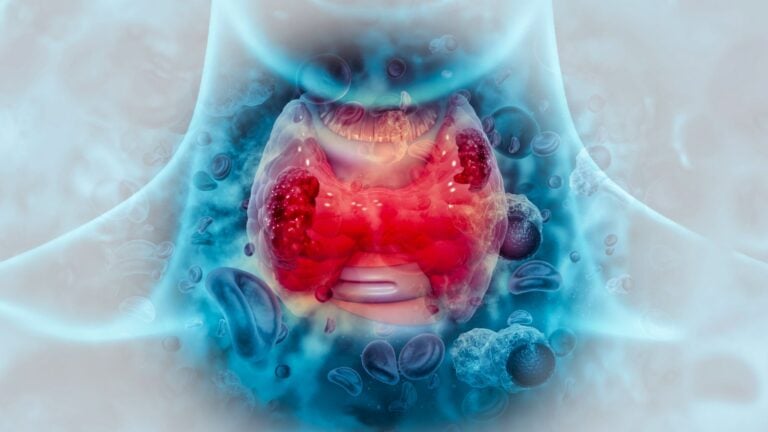
Thyroid Cancer Awareness Month serves as a crucial reminder for everyone, particularly in G...
SCAB Pharmacy
Taking proactive steps for your health is crucial, and understanding the necessary screenin...
SCAB Pharmacy

Do you have any questions? Do not hesitate to contact us.
